
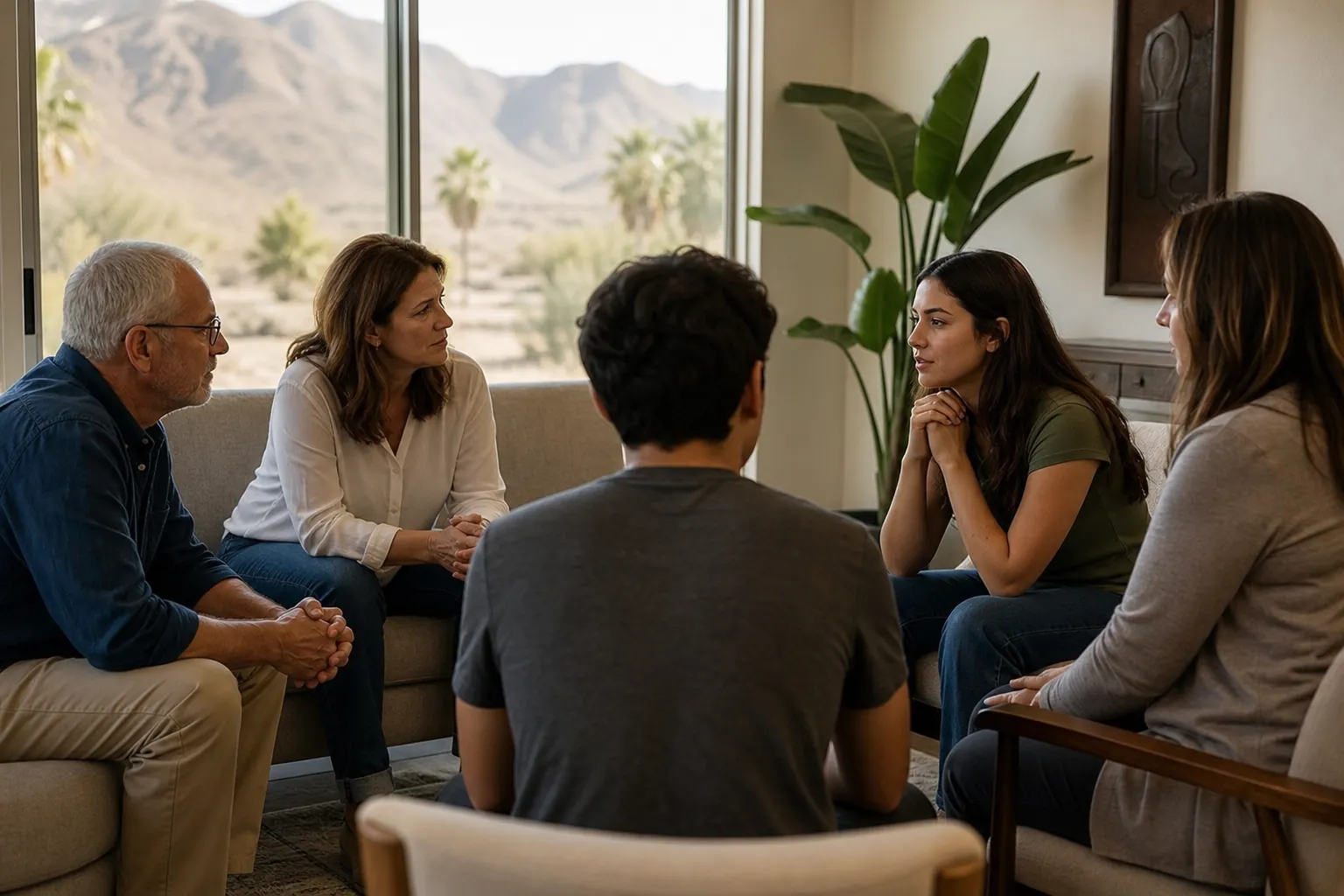
Families searching for "addiction treatment family education california" can learn how care works. They can learn to talk with care teams and help a loved one. They do not need to take charge of recovery. Family education explains medical detox, live-in care, and support after care ends.
What Can Families Learn From Addiction Treatment Family Education California?
Families can learn how substance use disorders affect daily life. They can learn about effects on health and relationships, too. Family education explains how care may help meet these needs. It also explains the types of care. These include medical detox services and live-in addiction care. Each offers a different kind of support.
A substance use disorder is a health condition. It does not mean a person or family has failed. Learning basic terms can help families talk without blame. It can also help them focus on useful support. Care plans vary because each person has different needs. Their past substance use, duties, and goals also matter. General details can help a family learn the basics. The person’s care team should guide their own care.
Families may hear about withdrawal care, therapy, and live-in care. They may also hear about support after care. These services meet different needs at different times. The path through care can vary from person to person. Living Longer Recovery provides medical detox and live-in addiction care. It serves adults in Desert Hot Springs from across California. Families can use these service details as a starting point. They can also look at other care providers or resources.

How Can Education Help Families Support Recovery?
Family education can help relatives respond with care and respect. The person and their care team remain in charge of care. Learning to listen, set limits, and find help may support relationships. A provider’s admissions details can explain how to start care. Its live-in care details describe one structured care setting.
Support can mean listening without shame and keeping agreed limits. It need not mean watching every choice or stopping every setback. Families can urge their loved one to share worries with clinicians. Family members also need space to share their own feelings. They may need help with stress, grief, or fear. SAMHSA’s family resources offer general details about this kind of support. They are for families affected by substance use.
A person may welcome family help or want more privacy. They may want different relatives involved at different times. Care teams can explain what details they may share. They can also explain how the person gives consent. Families should not assume they can see private health details. Talking with respect gives the person a voice in these choices. It also helps families learn the limits of their role.
- Listen calmly and let the person describe what kind of support feels useful.
- Keep personal boundaries clear and state them in a respectful, steady way.
- Encourage care conversations with qualified clinicians instead of offering medical instructions.
- Find peer or counseling support for family members who feel overwhelmed.

What Is The Difference Between Detox And Residential Care?
Medical detox focuses on withdrawal and urgent health needs. Residential care is structured care in a live-in setting. Each person’s needs guide which services may fit. Families can review detox care details and live-in care details to learn more. These pages explain the services Living Longer Recovery offers.
Detox and live-in care are related but different services. Medical detox supports people through withdrawal with health checks and care. Residential care offers structured addiction care at a live-in center. Some people may need just one of these services. Others may need both in turn or another kind of support. A qualified clinician must assess the person’s health and care needs.
Alcohol and benzodiazepine withdrawal can be dangerous. Seek a medical check and supervised care before stopping suddenly. Do not stop these substances at once without medical guidance. Withdrawal from opioids can also involve serious risks. Families who see an immediate danger should call 911. SAMHSA offers broader details about different types of care. It describes several ways to get care based on personal needs.
| Service | Main focus | Setting |
|---|---|---|
| Medical detox | Withdrawal and health assessment | Medical care setting |
| Residential treatment | Structured addiction treatment | Live-in care setting |
| Other support | Varies by individual need | Community or outpatient setting |
How Can Families Prepare For A Treatment Transition?
Families can prepare by learning about the next care setting. They can respect the person’s wishes and plan useful support. Plans should follow the care team’s guidance and meet daily needs. The detox service details explain one possible starting point. A provider’s admissions guidance can explain how it handles a move between services.
A move may follow medical detox, live-in care, or another service. Health, safety, and progress in care help guide the next step. The support a person can get matters, too. Families can share useful details with the person’s consent. They can plan rides when needed and set realistic expectations. The guide to treatment options after detox in California explains care choices. A person may still need support as their care setting changes.
Planning care may include advice about therapy or medical follow-up. It may also include peer support or other services. These are general care options after a change in setting. They are not programs Living Longer Recovery claims to provide. Families can explore next steps in a detox to residential transition guide. They can learn how support may fit changing needs in an aftercare planning resource.
- Review the next care setting and any transition instructions with the person’s care team.
- Confirm practical arrangements, including transportation and support at home, with the person’s consent.
- Keep a simple record of approved contacts and follow-up details shared by the provider.
- Allow time for adjustment as the person moves into a different level of support.
What Boundaries Help Families During Treatment?
Healthy boundaries help families offer support without taking over choices. They also help protect each family member’s safety and health. Clear limits can ease conflict and make each person’s role clear. A provider’s admissions support details can explain how it shares updates. Its live-in care details can help families learn about the care setting.
Boundaries set limits on what a relative can give or accept. They also define what that person can take part in. They may involve money, home safety, or talks during care. They can also set limits on contact with a loved one. A useful boundary is clear, realistic, and steady. It should not punish or control the other person. These limits do not give families control over someone’s care choices.
Families can ask how care teams handle privacy and family support. They can also ask how to report urgent worries. Rules differ, and privacy laws may limit what teams can share. Teams may need the person’s consent to share details. If a relative feels unsafe, they should seek help right away. They should not wait for a care update. For emotional distress or suicidal thoughts without immediate danger, call 988. Call 911 for immediate danger.
How Can Families Find Reliable Treatment Information In California?
State and federal health resources can help families learn about care. They can also help families find providers and learn about oversight. Check service details with each program itself. The admissions details explain how to contact Living Longer Recovery. Its medical detox details describe one service it offers.
Online pages may use similar words for different services. Staff, settings, and the kinds of care may still differ. Check that a provider has a license for its stated services. Also check that it can meet those care needs. California’s Department of Health Care Services shares care details. It covers services for substance use disorders. SAMHSA’s FindTreatment.gov can also help people find care. Families can use it to compare details about care centers.
Living Longer Recovery offers medical detox and live-in addiction care for adults. It is based in Desert Hot Springs, California. It serves people who come from across the state. Its statewide reach does not mean it has sites elsewhere. Families should check current program details with the admissions team. They should also check whether the person can receive care there. Use the program itself to check claims from other sources.
How Can Families Care For Their Own Well-Being?
Families can care for their own health by seeking support. They also need time to meet their basic needs. Their role is to offer care, not control another person’s recovery. Self-care can help them keep offering support. The provider admissions details can explain contact with families. The live-in care details describe where a loved one may receive care.
Stress can build when relatives feel they must always stay alert. They may also feel they have to solve every problem. Regular sleep, meals, movement, and supportive relationships are basic needs. They are not rewards a family must earn. Counseling or peer groups can offer space to talk about difficult feelings. Relatives can also learn from people with similar experiences.
Families can make room for their own goals and relationships. They can take a break while still caring for a loved one. When opioid use is involved, families should learn about reduced tolerance. This means the body can handle less of the drug. After time without opioids, this change can raise overdose risk. The risk rises if the person uses again. Naloxone can reverse an opioid overdose. Qualified health sources can explain how to get and use it.
- Choose one trusted person or support group where you can speak openly about stress.
- Keep regular meals, sleep, and health appointments on your calendar when possible.
- Set a limit on tasks you can take on and revisit it as circumstances change.
- Learn where to find naloxone and overdose response details from a qualified source.
Questions about next steps? Call Living Longer Recovery at (747) 232-9694 or review residential treatment at Living Longer Recovery.
Frequently Asked Questions
Can a family member make someone enter addiction treatment?
In most cases, families cannot make another adult enter care. Some legal or emergency steps may allow exceptions. The person’s choices and the laws that apply matter. Families can share worries, offer useful help, and set limits. They can call emergency services when there is immediate danger. A qualified provider can explain the care options.
Will a treatment provider share updates with relatives?
Privacy rules affect what health details a provider can share. The person’s consent and the situation also matter. Families can ask about a provider’s general rules. Staff may not be able to say whether someone receives care. The person can say which details they want shared. They can also decide whom to include.
Should families attend therapy during a loved one’s treatment?
Family sessions may help when they fit the care plan. The person and care team should agree on their role. These talks can help families share and learn about worries. Family members do not need to join every program. They can also seek their own counseling or support. They can do this even when joint sessions are not offered.
What should relatives do if someone may be overdosing?
Call 911 for an immediate emergency and follow the dispatcher’s instructions. If opioid overdose is possible, use naloxone if available. Follow its instructions and stay with the person until help arrives. Naloxone does not replace emergency medical care. The person still needs emergency care even if they seem to recover.
Where can California families compare treatment resources?
Families can review California’s Department of Health Care Services details. SAMHSA’s FindTreatment.gov also helps people find and compare care centers. Check each provider’s claims with the program itself. Check its services, who can receive care, and its privacy rules. Living Longer Recovery offers medical detox and live-in addiction care. It serves adults in Desert Hot Springs.
Sources
- Substance Use Treatment, SAMHSA
- Resources for Families, SAMHSA
- Substance Use Disorder Treatment Services, California Department of Health Care Services
Call (747) 232-9694 to talk through next steps.