Addiction treatment for healthcare workers in California

Healthcare professionals spend their careers caring for others, often while managing long shifts, workplace trauma, physical strain, and constant responsibility. When substance use begins to affect health, relationships, or professional duties, asking for help can feel especially difficult. Concerns about privacy, licensing, employment, and reputation may delay care.
Living Longer Recovery provides addiction treatment for healthcare workers in California with respect for these complex pressures. Treatment can address substance use while helping professionals build practical coping skills, understand workplace triggers, and plan for a stable return to daily responsibilities. Recovery is not a failure of professional commitment. It is a responsible step toward protecting personal health and the people who depend on your care.
Why healthcare professionals face distinct risks
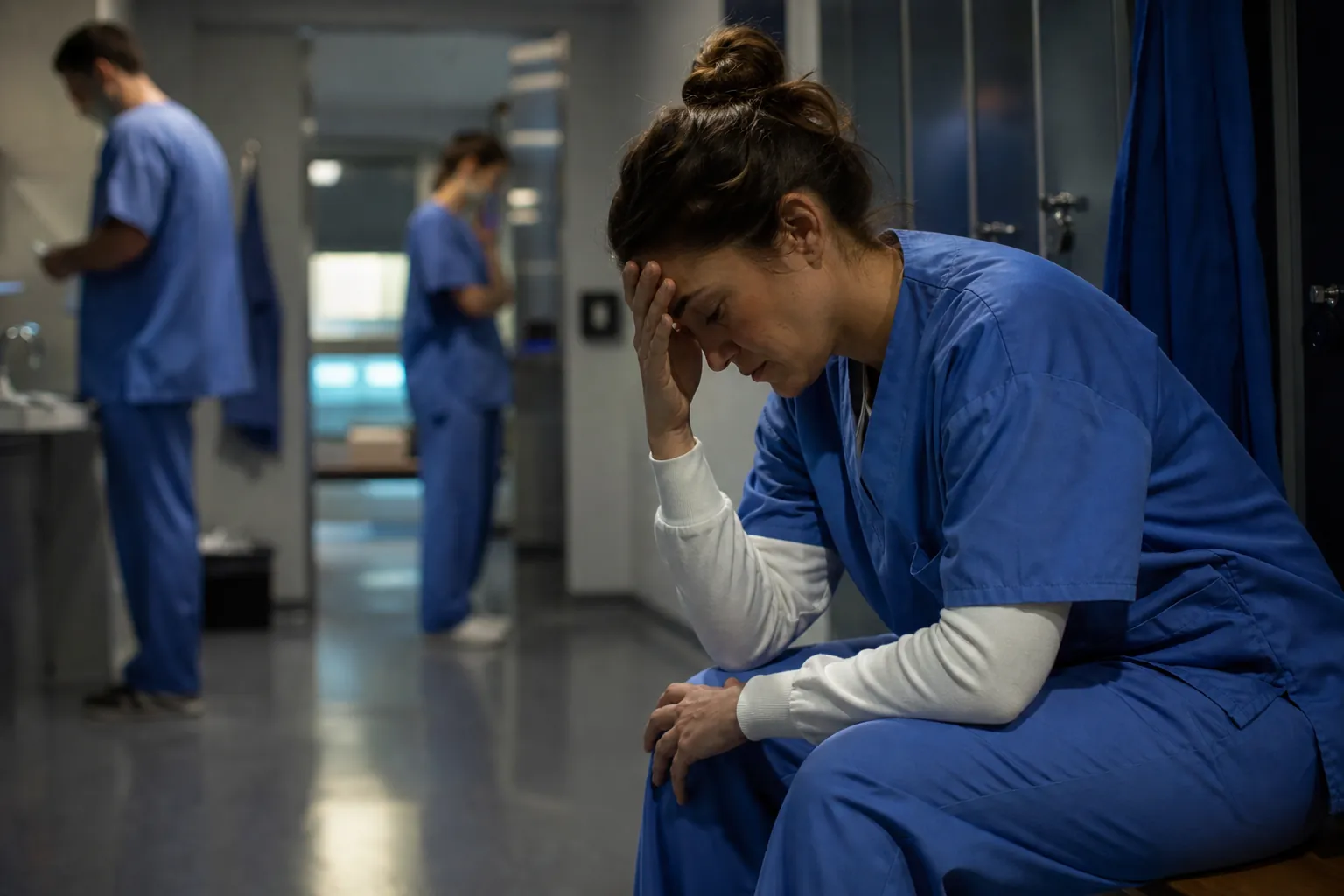
Doctors, nurses, pharmacists, emergency responders, behavioral health clinicians, technicians, and other care professionals may work in environments where stress is both intense and routine. Rotating shifts can disrupt sleep, while repeated exposure to illness, injury, grief, and high-stakes decisions may contribute to anxiety, depression, trauma symptoms, or emotional exhaustion.
Some professionals also have greater familiarity with medications or work near controlled substances. Knowledge and access do not cause addiction, but they can complicate patterns of use and make warning signs easier to rationalize. A person may continue performing well in visible areas even as their physical health, judgment, or home life deteriorates.
Common concerns include using alcohol to decompress after shifts, relying on sedatives for sleep, taking stimulants to maintain performance, or misusing pain medication after an injury. Effective care looks beyond the substance itself and considers the conditions that helped the pattern develop.
What specialized treatment may address
A treatment plan should reflect the individual, not simply their job title. An assessment can explore substance use history, withdrawal risk, physical health, mental health symptoms, family circumstances, workplace demands, and previous recovery efforts. This information helps determine the appropriate level of support.
Depending on clinical needs, care may involve medically supported withdrawal management, residential treatment, outpatient programming, individual counseling, group therapy, family involvement, or ongoing recovery services. Co-occurring conditions such as depression, anxiety, post-traumatic stress, chronic pain, and sleep disruption should also be evaluated because untreated symptoms may increase the risk of recurrence.
Specialized treatment can help healthcare workers develop skills that apply directly to professional life. These may include managing exposure to distress, responding to fatigue without substances, setting boundaries, rebuilding trust, and recognizing early warning signs before a crisis develops.

Privacy, licensing, and professional responsibilities
Fear about career consequences is one of the most significant barriers to seeking care. Privacy protections apply to substance use treatment records, but confidentiality has legal and practical limits. Reporting obligations, employer policies, licensing board requirements, court orders, and immediate safety concerns can vary by situation.
Healthcare professionals should avoid making assumptions about what treatment will mean for their license. California has multiple licensing and regulatory bodies, and requirements may differ by profession. A clinician can explain treatment privacy practices, while an attorney or qualified licensing advocate can provide guidance about professional reporting, monitoring, and employment questions.
Being proactive often creates more options than waiting for substance use to cause a serious workplace event. Prompt assessment may help the professional document engagement in care, follow recommendations, and begin creating a structured recovery plan. Treatment providers should not promise a particular licensing outcome, but they can coordinate clinically appropriate documentation when authorized.
Elements of a strong recovery plan
Lasting progress usually requires more than completing an initial program. Healthcare environments can remain demanding after treatment, so continuing care should prepare the person for predictable stressors. A useful plan may include:
- A clear clinical assessment: Evaluation of substance use, withdrawal risk, mental health, physical health, sleep, pain, and occupational stress.
- Individualized therapy: Counseling focused on triggers, coping patterns, shame, perfectionism, grief, trauma, and relapse prevention.
- Medication when appropriate: Evidence-based medication may support recovery from alcohol or opioid use disorders and help address certain co-occurring conditions.
- Peer connection: Groups can reduce isolation and offer accountability, including communities designed for healthcare professionals when available.
- Family support: Education and counseling may help loved ones understand recovery, establish boundaries, and rebuild communication.
- Workplace planning: A gradual return, schedule adjustments, supervision, monitoring, or temporary changes in duties may be considered when appropriate.
- Ongoing follow-up: Regular therapy, medical appointments, recovery meetings, testing when required, and prompt responses to warning signs can support stability.
The right combination depends on clinical needs and professional circumstances. A plan should be specific enough to guide action while remaining flexible as recovery progresses.
Preparing to return to clinical work
Returning to practice can bring relief, purpose, and anxiety. The transition should be based on clinical readiness, applicable professional requirements, and patient safety. Recovery stability matters more than rushing to meet an arbitrary timeline.
Before resuming duties, it may be helpful to identify high-risk situations such as overnight shifts, excessive overtime, medication access, conflict, traumatic cases, or inadequate sleep. Concrete responses can be established in advance. For example, the plan might specify who to contact after a difficult shift, how to respond to cravings, and what steps to take if exhaustion begins affecting judgment.
Healthy routines are also important. Consistent sleep, nutrition, movement, medical care, therapy, and supportive relationships can strengthen resilience. These practices are not substitutes for treatment, but they create a foundation that makes recovery skills easier to use.
When to seek immediate help
Help should not be postponed when substance use is escalating, withdrawal symptoms are emerging, or work performance is becoming unsafe. Warning signs may include taking medication outside prescribed directions, documenting inaccurately, working while impaired, hiding use, experiencing blackouts, or being unable to reduce use despite repeated attempts.
Severe withdrawal, overdose symptoms, confusion, seizures, chest pain, breathing problems, or thoughts of self-harm require urgent medical attention. Call 911 or go to the nearest emergency department. In the United States, call or text 988 for immediate crisis support related to suicide or emotional distress.
Take a confidential first step in California
Healthcare professionals deserve the same compassionate, evidence-informed care they provide to others. Seeking support can protect health, strengthen relationships, and create a safer path back to meaningful work.
Living Longer Recovery helps California care professionals explore appropriate treatment options without judgment. To discuss your situation and learn what a personalized recovery plan may involve, call (747) 232-9694. A calm, private conversation can be the first practical step toward change.
Call (747) 232-9694 to talk through next steps.