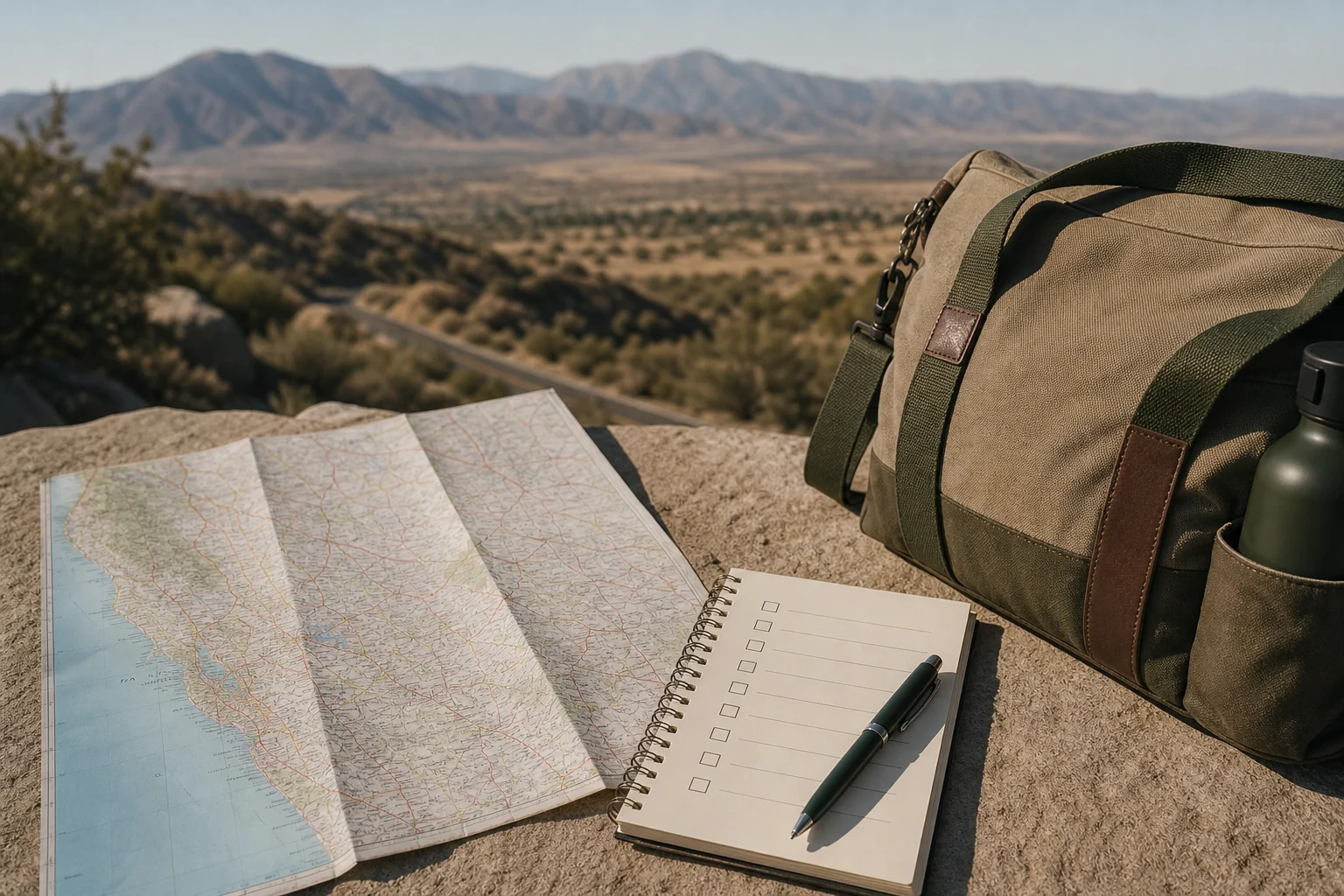
Editorial California image for central valley california detox travel

What Belongs on a Central Valley California Detox Travel Checklist?

Statewide California detox access and travel

A plain worksheet for checking the route, records, intake details, and backup plans before you leave.

Approved by Clinical Staff

Talk with admissions

330022BPCalifornia record number

14-personverified facility capacity

Desert Hot Springs, CAverified facility city

What this means for you

What Belongs on a Central Valley California Detox Travel Checklist?

Your checklist should confirm intake, the full address, travel time, heat plans, and needed records. Review california detox access before comparing routes. Check Living Longer Recovery travel information for known site details. Bring contacts, medicine records, identification, water, and an emergency plan.

Start with facts that you can check. Write the full site name. Add its street address. Note the planned arrival time. List the person who confirmed intake. Record how that person was reached. Ask what identification to bring. Ask which records are needed. Keep these details in one place. Share them with a trusted person if you wish. A confirmed plan can cut down on guesswork during travel, though it does not promise admission or a place to stay at any site you contact. It also helps you spot missing facts before you leave.

Next, plan for the long drive. Central Valley trips can cross hot, dry land. Desert heat can strain people and cars. Check the weather before departure. Pack water for the route. Do not leave anyone inside a parked car. Plan fuel and safe rest stops. Charge your phone and power bank. Save key phone numbers on paper. If a health concern grows during travel, stop and seek help. Your travel sheet should state that 911 is for immediate danger. It should also note that 988 offers crisis support by call, text, or chat.

Decision point 1

How Should You Confirm Central Valley California Detox Travel Before Leaving?

Confirm the site, date, time, and intake steps with the program itself. A residential drug and alcohol detox program page can frame basic questions. Review what to expect on arrival before packing. Write down who answered, when you spoke, and which details still need confirmation.

Do not treat a web page as an intake promise. Public listings can help you find programs. They cannot confirm a current bed. They also cannot decide personal fit. Call the program using a number you have checked. Ask whether you should travel now. Repeat the arrival date and time. Read the address back. Ask where to report upon arrival. Check what happens if you run late. Ask whom to contact if plans change. Keep a written log of each reply and any item that remains unclear before departure. Save the date of the call too.

A useful worksheet has four columns. Label them question, answer, source, and date. Mark each item confirmed or open. Include admission steps and needed records. Ask about personal items before packing. Do not assume a room type. Do not assume medicine access. Do not assume a set stay length. Ask rather than guess. If the answer changes, update the sheet. Before driving, review every open item. Delay the trip if the program tells you to wait. A confirmed intake plan reduces confusion, but it cannot promise admission, availability, safety, privacy, or results.

  • Verify the program's current contact details
  • Repeat the date, time, and address
  • Ask where to report
  • Record who confirmed each detail
  • Review all open questions before leaving

Decision point 2

How Can You Plan a Long, Hot Central Valley Detox Route?

Build the route around safe stops, heat, fuel, and phone service. Start with Living Longer Recovery travel information for destination facts. Send remaining questions through Living Longer Recovery admissions questions before departure. Use this Top-5 list to make a clear plan for the drive.

Heat can change a simple route. Check the forecast for each area. Note the hottest part of day. If possible, avoid long waits outdoors. Keep water within easy reach. Use sun shades during safe stops. Wear light clothes suited to the weather. Never leave a child, adult, or pet in a parked car. Watch for car warning lights. Stop if the car overheats. Find a safe public place. Call roadside help if needed. Heat illness can turn urgent fast, so call 911 when there is immediate danger. Travel plans must yield to urgent health needs.

Distance also affects your plan. Map the full trip in advance. Add time for fuel and rest. Mark hospitals along the route. These marks do not replace 911. Note places with shade and indoor space. Check likely phone gaps. Download a map for offline use. Give your route to a trusted person if you choose. Set simple check-in times. Do not rush to meet an arrival time. Call the program if delays occur. Safe driving comes first. If you feel too ill to travel, seek urgent help rather than forcing the trip to continue.

  • Check heat and road alerts
  • Pack water and light clothing
  • Mark fuel, rest, and safe indoor stops
  • Save offline maps and key numbers
  • Share your route and check-in plan

Decision point 3

Which Medication Records Help With Detox Travel Planning?

Bring a current medicine list, labeled containers when allowed, prescriber details, and pharmacy contacts. Review what to expect on arrival for arrival context. Compare route needs with san diego imperial county detox travel planning. Confirm what the program asks you to carry before leaving home.

Make one clear medicine list. Use the name shown on each label. Add the dose shown there. Note when you last took it. Add the reason if known. Include prescribed and nonprescribed items. List vitamins and supplements too. Record known allergies and past bad reactions. Add the prescriber's name and contact details. Include your pharmacy's name and number. Date the list. Keep one paper copy with you. If you use a phone copy, keep it charged. Do not change, skip, or stop medicine based on this page. Ask your prescriber or pharmacist about medicine questions.

Programs may have their own intake rules. Ask which containers they accept. Ask whether labels must be current. Ask how to handle chilled medicine. Ask about sharps or devices. Do not hide pills in other containers. Do not mix several medicines together. Keep records where you can reach them. Do not place the only copy in checked bags. If you cannot get a record, tell the program. Describe what is missing. Never borrow medicine for the trip. Never share your medicine. For an urgent medicine problem or severe symptoms, seek prompt help. Call 911 if there is immediate danger.

  1. Current medicine names and label doses
  2. Times of last doses
  3. Allergies and past bad reactions
  4. Prescriber and pharmacy contacts
  5. Confirmed rules for containers and devices

Decision point 4

How Do You Set Emergency Boundaries for California Detox Travel?

Set clear limits before the trip. Use Living Longer Recovery admissions questions for routine intake details, and review california detox access for wider planning. Call 911 for immediate danger. For crisis support, 988 is available by call, text, or chat. Living Longer Recovery is not emergency care.

Write emergency steps at the top of your sheet. Keep them easy to find. Immediate danger calls for 911. Examples may include severe breathing trouble, collapse, or a crash. Do not drive past nearby help to reach a program. Living Longer Recovery is not emergency care. A treatment intake line cannot replace emergency aid. Tell your driver this before departure. If symptoms become urgent, stop safely. Give responders the exact location. Share the medicine list if asked. Follow emergency staff directions. Do not use a travel checklist to judge serious symptoms. When risk feels immediate, act first and sort out travel later.

Crisis support has a separate role. The 988 Suicide and Crisis Lifeline offers call, text, and chat support. It can help during a mental health or suicide crisis. It does not promise treatment admission. Save 988 in your phone. Write it on the paper plan. A trusted person may also keep a copy. Ask in advance how the driver will respond to distress. Choose safe stopping points. Avoid arguments while the car moves. Pull over before making calls. If danger becomes immediate, call 911. These simple lines keep travel plans from taking priority over urgent care or crisis support.

  • Write 911 beside immediate danger
  • Save 988 for crisis support
  • Mark hospitals on the route
  • Keep location details easy to share
  • Stop travel when urgent help is needed

A simple next step

Take the next step with admissions

Every visible field is required. Share only the contact details and general question needed to reach you. Do not include medical, substance-use, or other sensitive health information.

This form is not monitored for emergencies. Call 911 for immediate danger, or call admissions at 747-232-9694.

Decision point 5

Why Should Distance Shape Central Valley California Detox Travel?

Distance affects heat exposure, rest needs, delays, and access to help. Compare san diego imperial county detox travel notes with your own route. A residential drug and alcohol detox program page may explain the service type, but only direct contact can confirm intake details for your planned arrival.

Start with door-to-door miles. Then estimate real travel time. Add stops for fuel and rest. Include city traffic and road work. Mountain or desert roads may slow travel. A map estimate can change fast. Check the route again that morning. Pick one backup route. Note where both routes lack phone service. Avoid tight timing. If arrival has a set window, ask what delays mean. Call before changing course. Do not assume late arrival is accepted. Distance is more than miles. It includes the time needed to pause safely and respond to health concerns along the way.

Your driver needs a plan too. Choose someone who can stay alert. Plan driver breaks on long trips. Avoid any driver who is impaired. Keep the car fueled and checked. Bring a charger that works in the car. Store water where it will not roll. Keep bags from blocking exits. Use seat belts at all times. Do not drive during a crisis call. Pull into a safe place first. If no safe driver is available, do not improvise. Ask the program what options it can confirm, without assuming transport is offered. No travel method can remove all risk or guarantee arrival.

  • Calculate door-to-door distance
  • Add fuel and rest time
  • Choose one backup route
  • Plan for weak phone service
  • Confirm how delays affect intake

Decision point 6

What Facility Facts Can You Verify Before California Detox Travel?

Verify the legal name, public name, street address, and state record. Review california detox access for directory context, then check Living Longer Recovery travel information for the destination. Public records describe services, but do not prove current space, personal fit, staffing, insurance, or admission.

Living Longer Recovery is the public brand. The legal entity is Living Longer Recovery, Inc. The verified address is 68257 Calle Azteca, Desert Hot Springs, CA 92240. The California record number is 330022BP. Public records identify residential drug and alcohol detox. They list a 14-person capacity. They describe service for co-ed adults. They also list incidental medical services. That term refers to limited health services tied to the licensed setting. These public facts help confirm identity. They do not show who is present today. They also do not confirm open space, a room, or personal admission.

Use state sources for state facts. The California Department of Health Care Services keeps facility and program directories. Its licensing division handles state oversight and complaint functions. SAMHSA offers national treatment locators. Those tools can help compare listed options. A directory entry is a starting point. It is not a live intake screen. Check the record and address. Then contact the program directly. Ask about the details that matter today. Do not infer insurance participation. Do not infer medicine access or a set schedule. Do not infer staffing, amenities, privacy, or results. Write unknown beside facts you cannot confirm.

  • Public and legal names match
  • Street address matches the record
  • California record number is 330022BP
  • Listed service type fits your search
  • Unknown items remain marked unknown

Decision point 7

How Can You Compare Detox Travel Options Without Guessing?

Use the same questions for each program, then record dated answers. A residential drug and alcohol detox program page can define the listed setting. Review what to expect on arrival for planning prompts. Compare confirmed facts, open questions, route strain, and emergency access rather than claims or hopes.

Build a simple comparison grid. Put one program per column. Use the same rows each time. Include verified address and record. Add intake status and date checked. Note total travel time. Add heat and road concerns. List required records and identification. Record medicine packing rules. Mark emergency care along the route. Add every unanswered question. Keep marketing claims out of the grid. Do not score a site on facts you lack. A blank cell means unknown. It does not mean yes or no. This method helps you compare like with like while leaving the final care choice to you and qualified professionals.

Plan the handoff at arrival. Ask where the traveler should go. Ask whom they should meet. Confirm which papers need review. SAMHSA explains that treatment commonly includes assessment, consent, a care plan, and next steps. Assessment means staff gather facts about needs and health. Consent means you agree after receiving information. These general steps do not prove a site's exact process. Ask the program what applies there. Keep copies of signed papers when offered. Read before signing. Ask for plain words when terms are unclear. If a fact changes, update your grid and travel plan before leaving.

  • Use identical questions for every program
  • Date each confirmed answer
  • Mark missing facts as unknown
  • Compare route strain and urgent care access
  • Update the grid when facts change

Clear answers

Questions people ask before they call

01

Should I leave before a program confirms my intake?

Wait for direct guidance from the program before starting a long trip. Confirm the site, date, time, address, and arrival steps. Ask what happens if space or timing changes. Keep the name of the person who replied. A confirmation still does not guarantee admission, but leaving without current details can add heat, cost, strain, and confusion.

02

What should I do if symptoms worsen during the drive?

Stop in a safe place and seek help based on the urgency. Call 911 for immediate danger. Do not keep driving solely to reach a treatment site. Living Longer Recovery is not emergency care. For a mental health or suicide crisis, 988 is available by call, text, or chat. Share your location and medicine list when responders request them.

03

Can public records tell me whether a bed is open today?

No. Public records can show listed facts about a facility, program, county, or state record. They do not show live space, present staffing, room type, medicine access, insurance terms, or personal fit. Contact the program for current intake details. Record the date and source of each reply because current facts may change.

04

How should I carry prescription information while traveling?

Bring a dated list with each medicine name, label dose, last dose time, prescriber, pharmacy, allergies, and past bad reactions. Ask the program which original containers, devices, or chilled items it accepts. Keep a paper copy within reach. Do not change a dose, stop medicine, borrow pills, or follow a taper based on travel advice.

05

Where can I check treatment listings outside one local area?

California's Department of Health Care Services provides state facility, program, county, and referral directories. SAMHSA provides national treatment and opioid treatment program locators. Use those listings to gather options and verify basic entries. Then contact each program directly. A listing does not promise current space, admission, payment, safety, or a certain result.

Sources and review context

A practical next step

Bring your questions to admissions

Admissions can explain the verified Desert Hot Springs setting and identify which questions need clinical or administrative review. A conversation does not promise admission, coverage, or an outcome.

Talk with admissions