
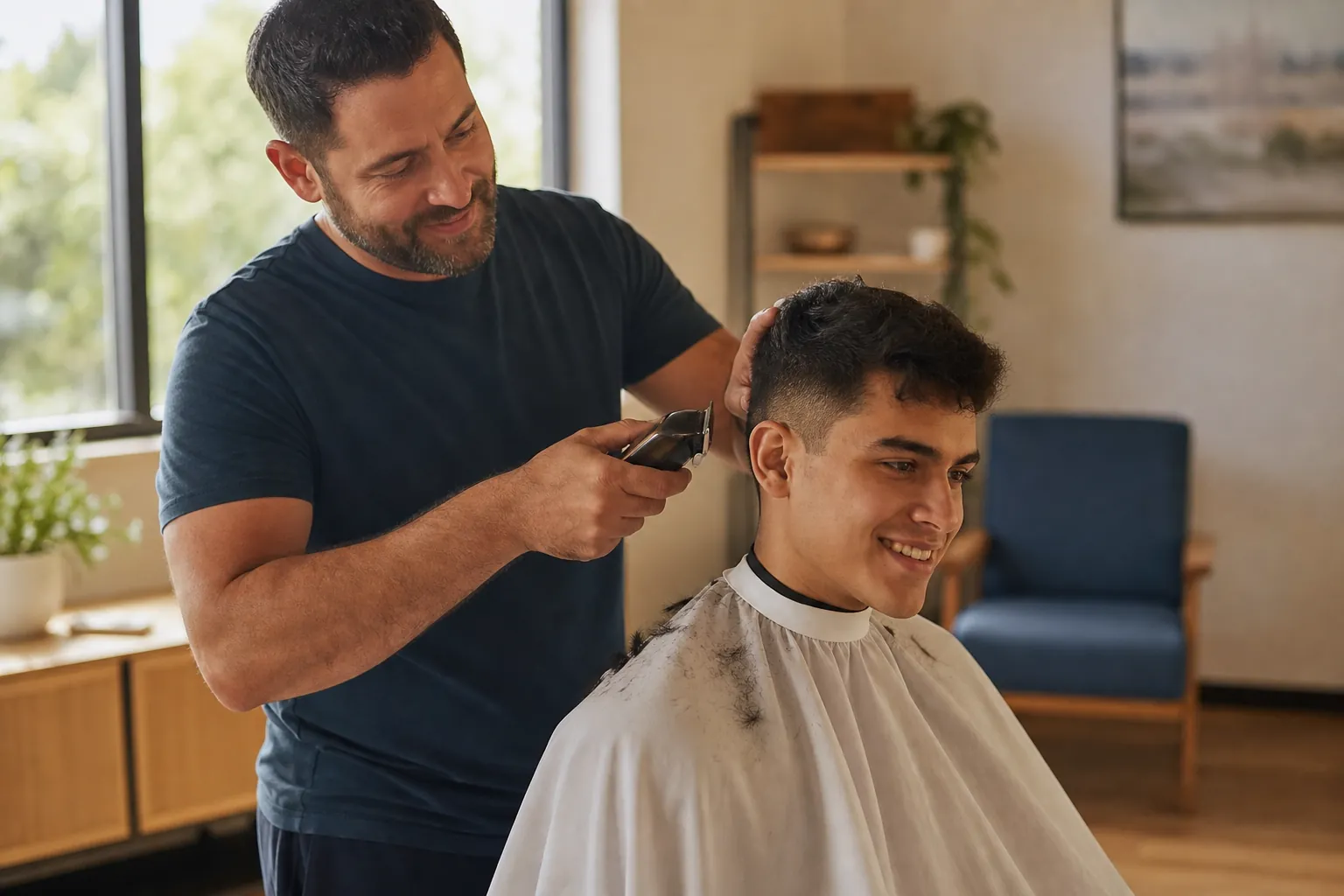
A haircut may seem like a small concern when you are preparing for residential substance use treatment. Still, practical questions about grooming can make entering care feel less uncertain. You may wonder whether you can bring clippers, visit your usual barber, or keep a hairstyle that takes regular maintenance.
If you are researching haircuts during residential rehab in California, the most useful answer is that arrangements depend on the program. There is no single haircut policy that applies to every residential setting. Ask the admissions team how grooming requests are handled, rather than assuming that salon visits or on-site services will be available.
This guide from Living Longer Recovery explains what to ask, how to prepare, and how personal grooming can fit into a treatment schedule without taking attention away from recovery.
Why haircut questions matter before admission
Residential treatment changes your daily routine. Meals, groups, individual appointments, and other activities may follow a structured schedule. Knowing how everyday needs are addressed can help you arrive with fewer distractions.
For some people, a haircut is mainly about convenience. For others, hair care connects to cultural identity, religious practice, gender expression, sensory comfort, or confidence. Those concerns deserve a respectful conversation, even when staff cannot accommodate every preferred arrangement.
You do not need to apologize for asking practical questions. Admissions staff can explain what is permitted and identify requests that need clinical or supervisory review.
- Ask whether routine haircuts are available during a stay or usually handled before admission.
- Explain if your hair requires particular products, techniques, or frequent maintenance.
- Share any privacy, religious, cultural, or sensory considerations that affect grooming.
- Confirm whether arrangements could change during different phases of treatment.
A clear answer helps you plan. It also prevents misunderstandings, such as packing equipment that must be stored by staff or expecting transportation that the program does not provide.

How haircut arrangements may work in residential treatment
Programs may handle grooming in several ways. Some may arrange visits from an outside barber or stylist. Others may consider approved off-site appointments, help residents access basic grooming tools under specific rules, or recommend completing routine haircuts before arrival.
These are possible arrangements, not promises about Living Longer Recovery or any other facility. Availability can depend on staffing, vendor access, location, safety procedures, and your individual treatment plan.
On-site or visiting services
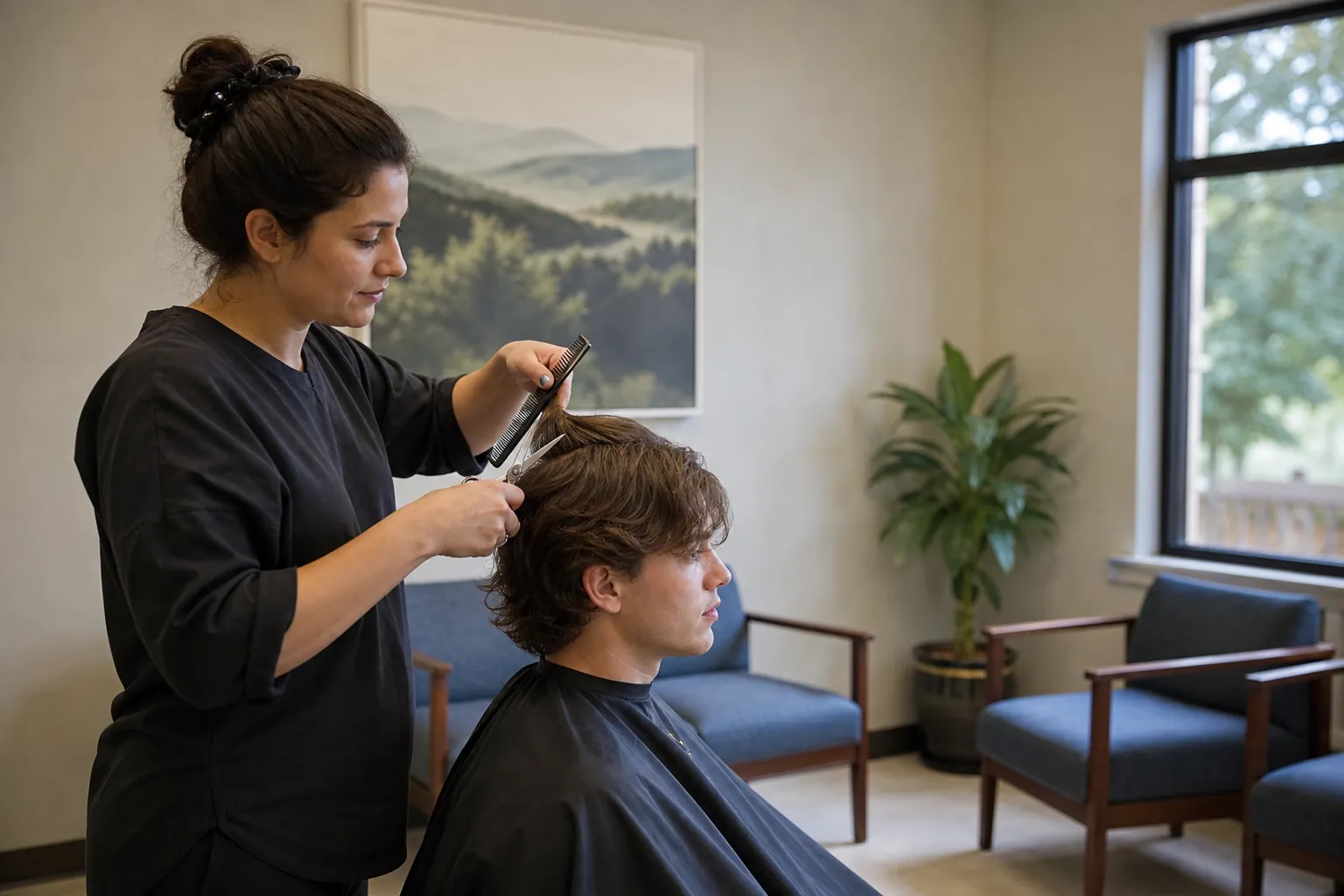
If a program offers visiting grooming services, ask how appointments are scheduled and paid for. A visiting provider may have limited hours or may not offer specialized services, such as color treatments, extensions, or certain textured-hair techniques.
You can also ask whether residents choose their own style and how private the appointment setting is. Understanding those details matters more than simply hearing that haircuts are available.
Approved off-site appointments
An off-site haircut may require advance approval. Staff may consider whether leaving the property fits your current care needs, how transportation would work, and whether an appointment conflicts with treatment.
Permission for one appointment does not necessarily mean unrestricted community access. Ask whether an escort is required, which providers are acceptable, and what happens if the appointment runs late.
Basic grooming within the residence
Some settings allow certain grooming tools, while others restrict or supervise their use. Do not assume residents can cut each other's hair. Shared tools can raise hygiene concerns, and informal haircutting may conflict with facility rules.
The safest approach is to ask staff what options exist and follow the approved process. A plan that works at home may need adjustment in a shared treatment environment.
What to ask Living Longer Recovery before you arrive
When you contact Living Longer Recovery, ask for current grooming and personal-item policies. Rules can change, and an online article cannot confirm the arrangements available for a particular admission date.
Tell the team what you need in practical terms. For example, explain that you maintain a short cut every two weeks, wear protective styling, or use products for a sensitive scalp. Specific information makes it easier to discuss workable options.
- Ask, “Are haircuts available during residential treatment, and how are requests submitted?”
- Ask, “Can I bring electric clippers, a trimmer, or a hair dryer, and where would they be kept?”
- Ask, “Are there restrictions on scissors, razors, aerosol products, or glass containers?”
- Ask, “Would an approved haircut involve an additional charge, and who pays the provider?”
- Ask, “If I need specialized hair care, can we discuss that before admission?”
- Ask, “Can a support person bring approved supplies if I forget something?”
Write down the answers and request a packing list if one is available. If different staff members give different information, ask for clarification before purchasing supplies or scheduling an appointment.
You can call Living Longer Recovery at (747) 232-9694 to discuss admission questions, including how personal grooming needs may fit into residential care. Ask the team to confirm any service you consider essential rather than relying on assumptions.
Preparing your hair and grooming supplies for treatment
If timing allows, getting a comfortable, low-maintenance haircut before admission can simplify your first days. This is an option, not a requirement. Do not postpone needed treatment solely to complete a cosmetic appointment.
Choose a style you can maintain with the tools and products the program permits. A complicated routine may be harder to manage if morning schedules are structured or access to certain equipment is limited.
For longer hair, consider how you will wash, dry, detangle, and secure it. For protective styles, think about expected maintenance needs and whether the style is comfortable for sleep and daily activities.
- Pack only approved grooming items, using the program's current packing instructions.
- Bring enough permitted shampoo, conditioner, and styling products for the initial period staff recommends.
- Choose containers that comply with facility rules rather than assuming travel sizes are automatically acceptable.
- Label personal items if staff advise doing so, especially in shared bathrooms.
- Leave expensive or irreplaceable grooming equipment at home unless its use and storage are confirmed.
If you have a scalp condition or use a prescribed product, tell the admissions or clinical team. Medicated products may need to be reviewed or stored differently from ordinary toiletries. Keep prescription information available and ask how to bring the product correctly.
Why tools and products may be restricted
Restrictions on grooming supplies usually relate to safety, storage, hygiene, or the needs of a shared environment. Scissors, loose razor blades, electrical tools, and some chemical products may require staff review.
A restriction does not automatically mean that you cannot groom yourself. It may mean that an item is stored securely, used with permission, or replaced with an approved alternative. The actual process depends on the facility.
Some products contain alcohol or other ingredients that may prompt review in substance use treatment settings. Do not try to determine acceptability from the label alone. Ask staff about the specific product and avoid bringing substitutes without approval.
Shared equipment also needs appropriate cleaning. Even a minor nick can make hygiene important. Avoid borrowing another resident's razor or using improvised tools to trim hair.
If a rule interferes with an important grooming need, explain the problem calmly and ask what alternatives are available. Staff can clarify the policy and determine whether an individualized arrangement is possible.
Fitting a haircut around your treatment schedule
Residential care is designed to create time and space for recovery work. A haircut should generally be planned around required activities rather than replacing them. Requesting an appointment early gives staff more room to consider scheduling.
Your first days may involve assessments, orientation, and adjustment to the setting. If you are also experiencing withdrawal symptoms or receiving medical stabilization, an elective haircut may need to wait until the clinical team considers it appropriate.
Later in a stay, staff may be able to discuss options that fit your schedule. However, the length of time you have been in treatment does not by itself guarantee permission to leave for a salon visit.
- Submit a request before choosing an appointment time or paying a deposit.
- Ask whether there are preferred days or time windows for approved grooming.
- Confirm transportation and any supervision requirements before making outside plans.
- Let staff know promptly if the provider changes the appointment or expected duration.
If an appointment cannot happen, ask whether a simpler alternative could meet the immediate need. A basic trim, a different washing routine, or help obtaining approved products may reduce discomfort while you continue treatment.
Respecting identity, privacy, and personal choice
Hair is personal. You may want to preserve a style associated with your identity or avoid a haircut altogether. Asking about grooming should not be treated as agreement to change your appearance.
If you have preferences about who touches your hair, how it is handled, or where services occur, share those preferences in advance. This is especially important when past experiences make grooming stressful.
People with textured hair may need suitable detangling tools, moisturizing products, or a provider familiar with their hair type. A generic grooming option may not meet those needs. Explain what is necessary and ask what can reasonably be arranged.
Religious practices may also affect cutting hair, shaving, head coverings, or provider preferences. Raise these considerations before admission when possible so staff have time to discuss accommodations.
For privacy, ask how outside grooming providers receive appointment information and whether services happen in a private or shared area. You generally do not need to explain your treatment history to a barber to describe the haircut you want.
Grooming can support routine without becoming a recovery requirement
Basic self-care can help some people feel more comfortable during treatment. Washing hair, brushing it, or getting an approved trim may provide a manageable sense of routine when other parts of life feel unsettled.
That does not make a haircut a treatment for substance use disorder. It does not predict progress, replace clinical care, or demonstrate commitment to recovery. People can engage meaningfully in treatment regardless of how polished they look.
You may also have days when grooming feels difficult. Withdrawal, poor sleep, low mood, or anxiety can make ordinary tasks harder. Tell the treatment team if self-care becomes overwhelming or if a sudden change in functioning concerns you.
A realistic goal is comfort and manageable hygiene, not a perfect appearance. Choose a routine that leaves energy for treatment and respects your preferences.
Costs, transportation, and support-person involvement
Before agreeing to a service, confirm the total cost. A program fee or insurance benefit should not be assumed to include a haircut. Coverage and payment arrangements vary, and personal grooming may be a separate expense.
Ask whether you pay the provider directly, whether tips are permitted, and how payment is handled if access to cash or cards is restricted. Confirm cancellation fees before booking an outside appointment.
Transportation is another separate question. Even when an off-site service is approved, staff transportation may not be available. A family member offering a ride does not remove the need for program approval.
Support people can help by obtaining permitted supplies or sharing information about your usual hair-care routine, if you want them involved. They should follow the facility's delivery and communication procedures rather than arriving unexpectedly with products or tools.
If cost is a concern, say so. Ask whether a basic option is available or whether the haircut can wait. There is no need to choose an expensive service to meet ordinary grooming needs.
Common questions about haircuts during California residential rehab
Can I leave residential rehab for my usual barber?
Possibly, but only if the program approves the appointment under its current policies and your care plan. Confirm timing, transportation, supervision, and provider requirements before booking.
Should I get a haircut before checking in?
You can if it is convenient and does not delay care. A manageable style may make the early adjustment easier, but arriving without a fresh haircut should not be a reason to put off seeking treatment.
Can I bring my own clippers?
Ask first. Clippers may be permitted, restricted, or stored by staff. Also ask about attachments, charging cords, cleaning supplies, and whether use requires supervision.
What if I need specialized hair care?
Describe the need before admission, including relevant products, techniques, and maintenance timing. Ask the team what is available and what alternatives exist if your usual routine cannot be continued.
Does every California residential program provide haircuts?
No universal arrangement should be assumed. Programs differ in their services and rules. Verify the policy directly with each facility you are considering.
Make a simple grooming plan before admission
The best plan is usually straightforward: confirm the rules, pack approved basics, and discuss any needs that cannot wait. Leave room for the treatment schedule and avoid booking services before staff approve them.
When comparing California residential programs, consider grooming alongside larger questions about clinical services, staffing, costs, and discharge planning. A haircut arrangement is useful to understand, but it should not overshadow whether a program can address your treatment needs.
For questions about entering care at Living Longer Recovery, call (747) 232-9694. The team can discuss current admission procedures and clarify how to plan for personal grooming during a residential stay. Getting those details early can help you arrive prepared and focus on the next step in recovery.
Call (747) 232-9694 to talk through next steps.