How Can You Confirm Clothing and Dress-Code Rules Before Private Rehab in California?
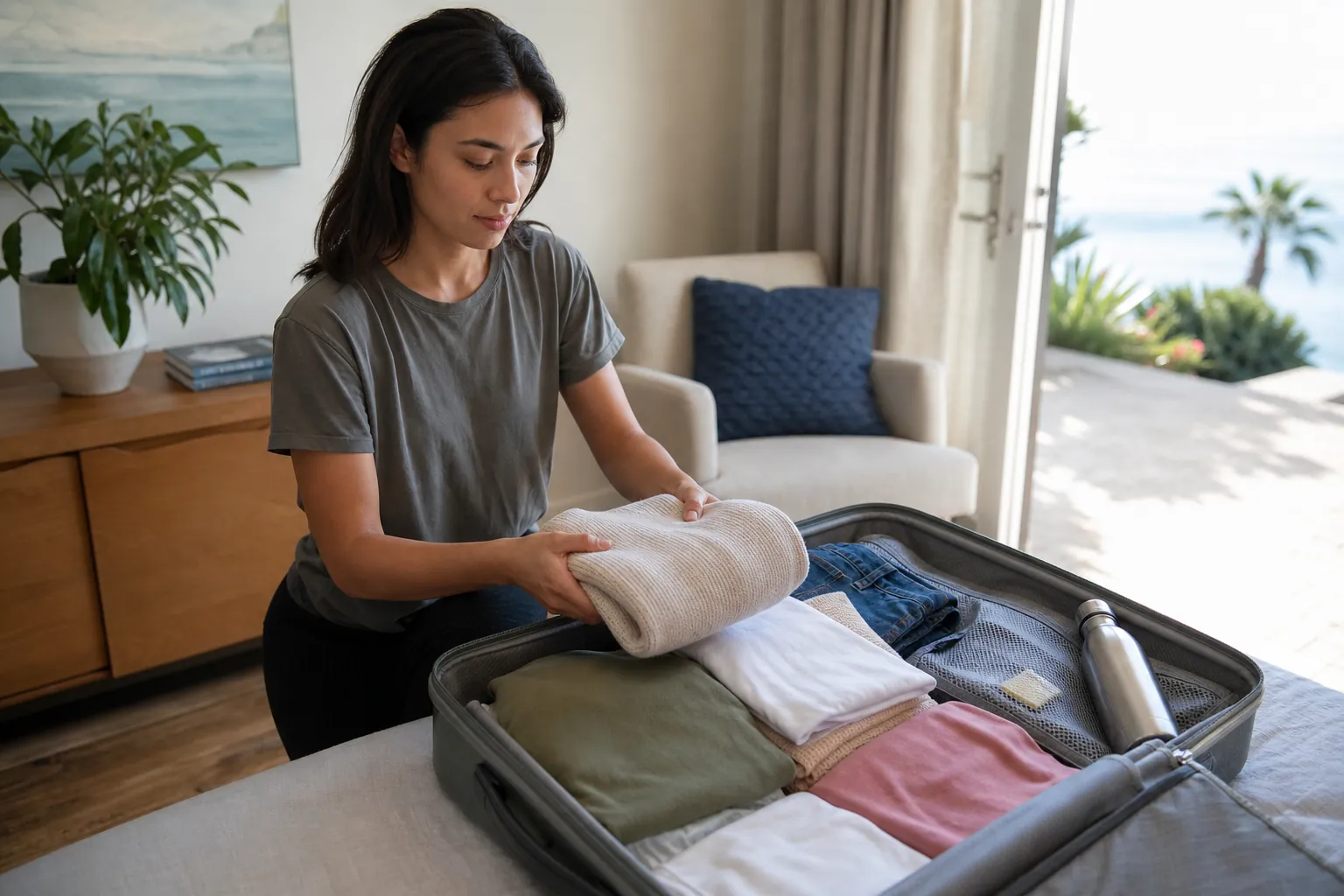
Before entering a private rehab in California, confirm its clothing and dress-code rules directly with the program. Policies can differ, and assumptions may lead to unnecessary purchases, repacking, or leaving important items behind. A focused phone conversation can help you understand what is allowed, what is restricted, and how much clothing to bring. Use the steps below to get clear answers and keep a written packing record.
Start With the Program, Not a Generic Packing List
Online packing lists can help you identify questions, but they cannot confirm the rules of a particular program. Contact the private rehab you are considering and ask for its current written clothing policy. If you are comparing programs, request the same information from each one so you can make a practical comparison.
Ask whether the written policy reflects the rules currently used during admission. Clothing guidance may appear in admission materials, an orientation packet, or a packing checklist. If someone explains the policy by phone, note the person’s name, the date, and the exact guidance provided. Then ask whether the information can be sent by email or another available method.
Do not rely only on descriptions such as “comfortable,” “appropriate,” or “casual.” Ask what those terms mean in practice. Clear examples are more useful than broad labels. The goal is not to challenge the policy. It is to understand it well enough to arrive prepared and avoid uncertainty during admission.

Ask Specific Questions About Everyday Clothing
A general question such as “What should I pack?” may produce a general answer. Instead, ask about clothing categories one at a time. Confirm what is acceptable for daily wear, sleep, exercise, outdoor time, and any scheduled activities that may affect clothing choices. Ask whether there are expectations concerning fit, coverage, graphics, wording, or accessories.
Use a short checklist during the conversation:
- Which tops, bottoms, sleepwear, undergarments, and shoes are permitted?
- Are any logos, slogans, images, colors, fabrics, or styles restricted?
- Are belts, hats, jewelry, watches, drawstrings, or removable accessories allowed?
- Should I bring clothing for exercise, rain, heat, or cooler conditions?
- How many days of clothing should I pack?
- Are laundry supplies provided, permitted, or unnecessary?
- What happens if an item is not approved at admission?
Ask follow-up questions whenever an answer is unclear. For example, if athletic wear is allowed, confirm whether that includes leggings, shorts, hooded sweatshirts, or shoes with particular features.

Confirm Laundry, Storage, and Quantity Limits
How much you pack depends partly on laundry access and available storage. Ask how often residents can wash clothing and whether there are limits on when or how laundry is handled. Do not assume that laundry arrangements will resemble those at home or at another program.
Confirm whether there is a recommended number of outfits, a luggage limit, or restrictions on large suitcases and storage containers. Ask whether hangers are available and whether clothing is kept in a closet, drawers, or another designated space. These answers can help you avoid overpacking while still bringing enough suitable clothing.
If your admission date is approaching, ask whether local weather should affect what you bring. California conditions vary by location and season, so guidance should come from the specific program rather than a statewide packing list. Also ask whether there are occasions that require something different from ordinary daily clothing. If the answer involves a schedule or conditional rule, write it down exactly and confirm whether an alternative item would be acceptable.
Discuss Personal, Medical, and Cultural Clothing Needs
If you have clothing needs connected to mobility, sensory comfort, health, pregnancy, religion, culture, gender expression, or another personal consideration, raise them before packing. Explain the practical need without assuming that a general exception is available. Ask how the program reviews individual requests and whether it needs information before admission.
Examples may include adaptive clothing, footwear selected for stability, head coverings, compression garments, layers needed for temperature sensitivity, or garments worn for religious reasons. Because policies and individual circumstances vary, the program should confirm what can be accommodated and whether any item requires advance review.
If you need a particular item every day, do not wait until arrival to mention it. Ask for the answer in writing and bring a copy of any relevant communication. If a preferred item is not allowed, ask what alternative would meet both your need and the program’s rules. A direct conversation gives you time to find an acceptable substitute rather than making a rushed decision during admission.
Reconfirm the Policy Before You Travel
After receiving the dress-code information, turn it into a final packing list. Separate confirmed items from anything that still requires approval. If possible, send questions about uncertain items before placing them in your luggage. Describing the item precisely is more helpful than asking whether “normal clothes” are acceptable.
Reconfirm the essentials shortly before departure, particularly if time has passed since your first conversation. Ask whether the clothing policy or packing instructions have changed. Verify the arrival date, the recommended amount of clothing, prohibited categories, and the process for handling items that cannot be kept with you.
Keep the written policy accessible while traveling rather than packing it at the bottom of a suitcase. Consider labeling your luggage and making a simple inventory of what you bring. Do not pack valuable or sentimental clothing unless the program has confirmed that it is appropriate and you are comfortable bringing it. For broader preparation, read what happens when you first call a luxury rehab in California.
Call With Your Clothing Questions
Clear answers can make admission preparation feel more manageable. To ask Living Longer Recovery about clothing and dress-code expectations, call (747) 232-9694. Have your questions ready, take notes, and request written guidance when available.
Call (747) 232-9694 to talk through next steps.