Which Items Are Commonly Prohibited at California Luxury Rehabs?
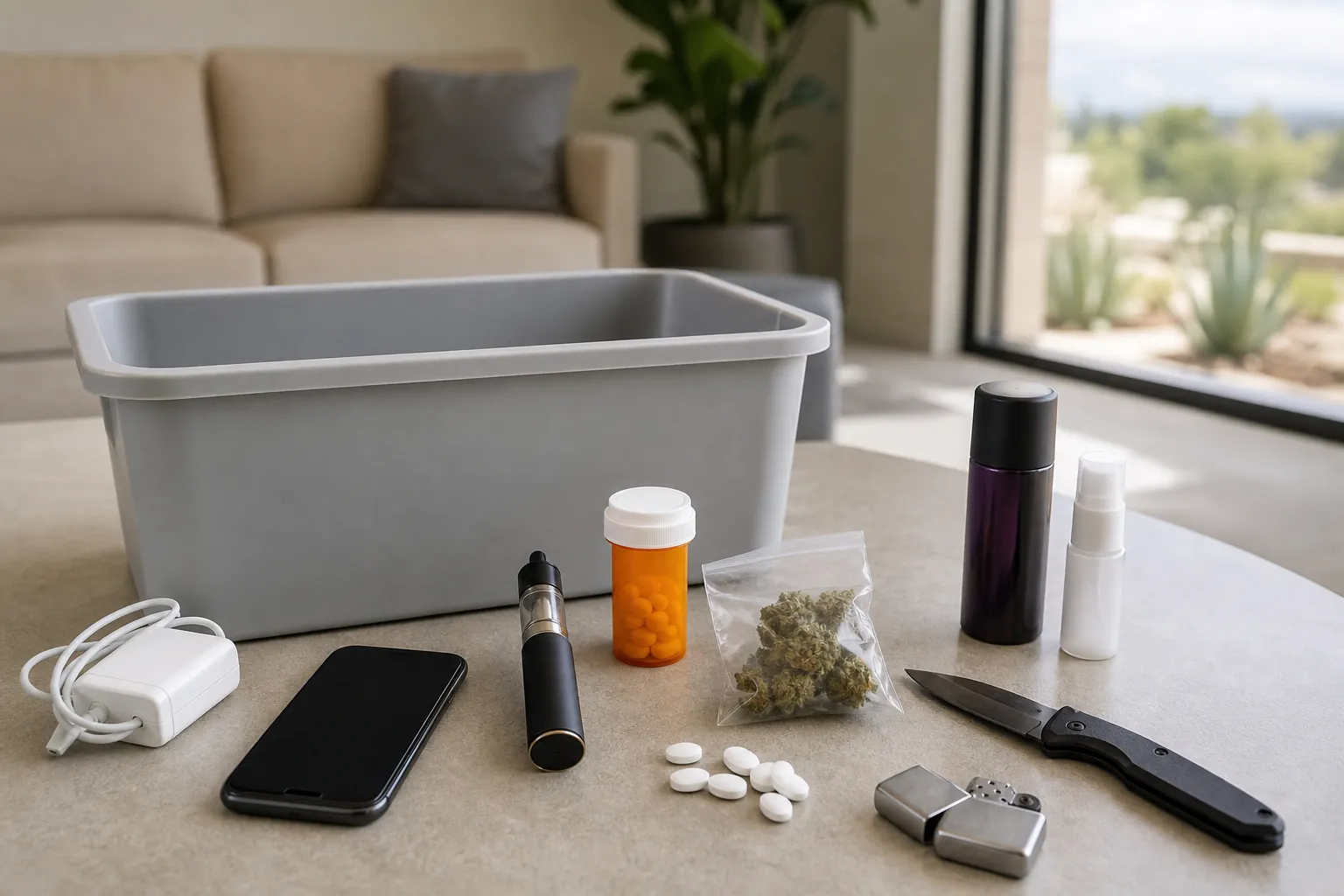
Packing for a California luxury rehab can feel unexpectedly complicated. A comfortable setting does not mean every personal item is permitted. Programs may restrict belongings to protect privacy, maintain a substance-free environment, reduce distractions, and support shared living expectations. Because Living Longer Recovery has not provided a program-specific packing list here, use this guide as a practical starting point rather than a definitive admissions policy. Before leaving home, confirm every uncertain item directly with the program.
Why Prohibited-Item Policies Differ Between Programs
There is no single packing policy shared by every luxury rehab in California. Rules can depend on the setting, accommodations, safety procedures, storage options, and expectations for daily participation. An item accepted by one facility may be restricted, stored, or prohibited by another.
Start by asking for the current written packing list, including any rules for visitors bringing items later. Confirm whether the policy distinguishes between prohibited belongings and belongings that staff can store until departure. This distinction matters if you are traveling a long distance or arriving with valuables, medications, or work devices.
Do not rely solely on general information found online. Policies can change, and broad articles cannot account for individual circumstances. If admission is approaching quickly, make a short list of questionable belongings and review it by phone. Taking a few minutes to verify details can prevent delays, uncomfortable decisions at arrival, or the need for someone else to transport belongings home.
Substances, Medications, and Personal-Care Products
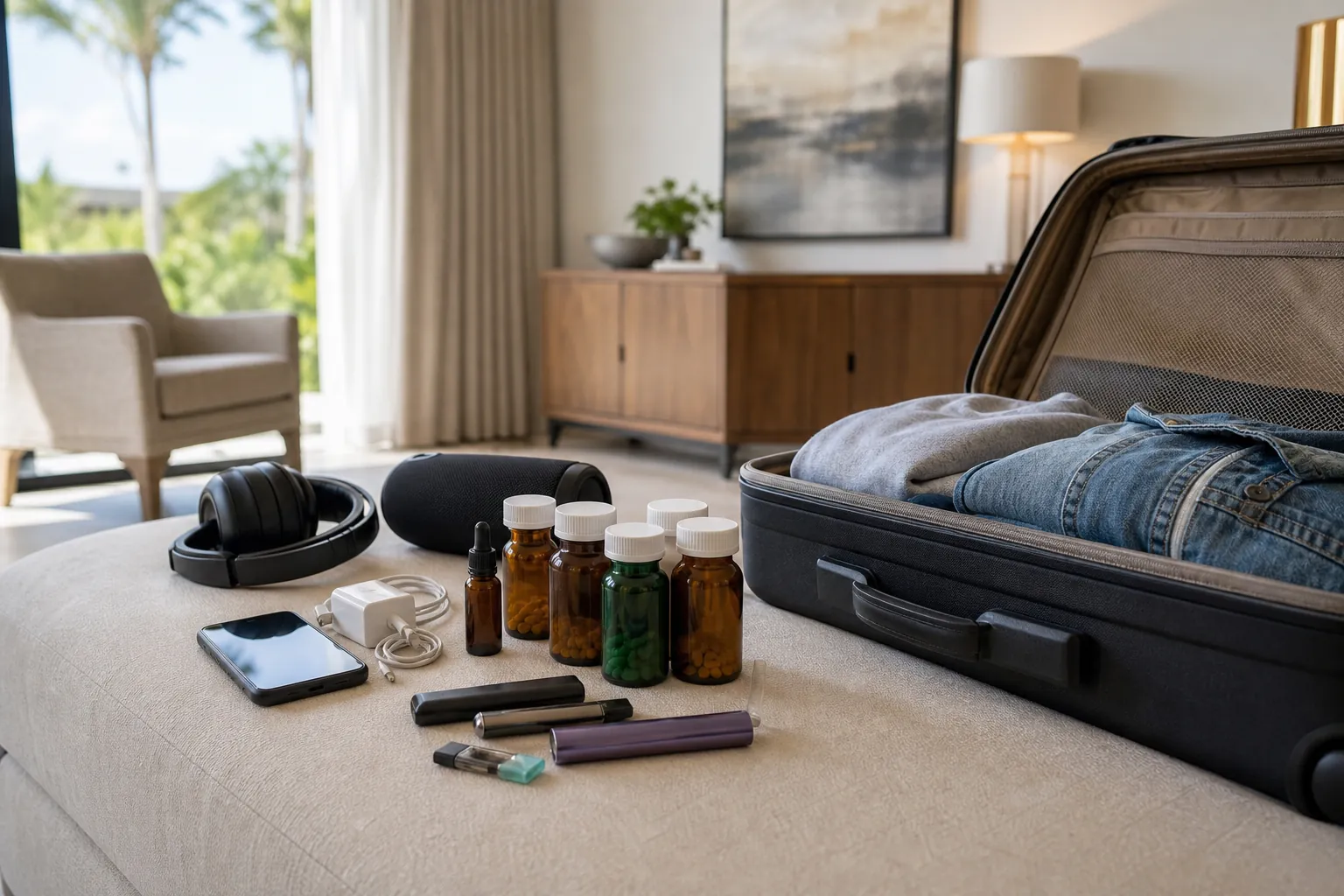
Alcohol, illicit substances, and drug-related paraphernalia are commonly prohibited. Programs may also carefully review prescription medications, over-the-counter products, vitamins, supplements, and herbal preparations. Do not conceal medication or transfer it into an unmarked container. Keep prescriptions in their original labeled packaging and ask in advance how they should be presented at admission.
Personal-care items may also require review. Some programs restrict products containing alcohol or other ingredients that could create safety concerns. Aerosols, mouthwash, perfume, nail products, and certain grooming supplies may be limited, depending on the facility. Even familiar household products can be handled differently in a structured environment.
Before packing, photograph each medication label and prepare an accurate list of what you take. Include the product name, dosage, and prescribing professional when applicable. Then ask which items can be brought, which require approval, and whether refills or special storage need to be arranged. Do not stop or change medication based on a packing article. Discuss medication questions directly with appropriate professionals and the admitting program.

Weapons, Sharp Objects, and Other Safety Concerns
Weapons and items that can be used as weapons are commonly prohibited. This can include firearms, ammunition, knives, and certain tools. Programs may also restrict sharp grooming items, glass objects, candles, incense, lighters, matches, or equipment with exposed heating elements. Exact definitions and exceptions vary, so ask rather than assuming a small or ordinary item is acceptable.
Review bags that you use for travel, work, sports, or outdoor activities. Pocketknives, multitools, pepper spray, and similar objects are easy to overlook because they may remain in a purse, glove compartment, toiletry case, or backpack. Check every compartment before departure.
If an item has practical importance, explain that when you call. For example, ask whether an alternative is allowed or whether the item can be securely stored. Avoid bringing anything primarily because you expect staff to make an exception. A simple final bag inspection at home reduces stress and helps you arrive prepared to complete admissions procedures without unnecessary complications.
Electronics, Valuables, Clothing, and Outside Food
Luxury accommodations do not necessarily mean unrestricted access to phones, laptops, cameras, recording devices, or gaming equipment. Electronics can affect privacy, sleep, communication boundaries, and participation. Ask which devices are permitted, when they may be used, and whether chargers or accessories have separate requirements. If you need a device for an essential responsibility, discuss that before admission rather than expecting immediate access.
Large amounts of cash, expensive jewelry, and irreplaceable personal belongings are usually best left at home unless the program specifically advises otherwise. Ask about payment methods and secure storage before carrying valuables. Clothing rules may address offensive messages, revealing garments, or items associated with substance use. Outside food and beverages may also be restricted because of storage, dietary, or environmental considerations.
- Request the latest written packing list.
- Label permitted belongings clearly.
- Bring only the recommended quantity of clothing.
- Leave sentimental and high-value items with someone you trust.
- Confirm policies for devices, chargers, food, and deliveries.
How to Verify Your Packing List Before Admission
Create three categories: clearly permitted, clearly prohibited, and needs confirmation. Work through the uncertain category by phone. Be specific about the item, its ingredients or features, and why you may need it. Asking “Can I bring toiletries?” may produce a less useful answer than naming the exact product and noting whether it is an aerosol, liquid, or alcohol-containing formula.
Also ask what documents to bring, how luggage is reviewed, what happens to restricted belongings, and whether family members can deliver approved items later. If you are helping a loved one pack, complete this process with them. Do not hide belongings to avoid conflict or hope an item will go unnoticed.
Packing is only one part of preparing for admission. Understanding the initial conversation can make the next step feel more manageable. Read what happens when you first call a luxury rehab in California to prepare questions and organize relevant information before reaching out.
Confirm Before You Pack
For calm help with your questions, call Living Longer Recovery at (747) 232-9694. Ask for the current packing requirements and confirm any medication, product, device, or personal item that may need approval before you travel.
Call (747) 232-9694 to talk through next steps.