

Preparing for residential substance use treatment involves more than choosing clothes and putting them in a bag. You may also wonder how you will wash those clothes, whether detergent is available, and when laundry fits into a structured treatment day. These practical questions deserve clear answers before admission.
Laundry access during residential rehab can affect what you pack, how comfortable you feel, and how easily you manage daily routines. Programs in California do not all use the same arrangements. Some provide shared washers and dryers, while others coordinate laundry through staff or an outside service. The best approach is to ask your prospective program directly rather than assume a particular setup.
This guide explains what to confirm, how to pack efficiently, and what to do if you need help. For questions about preparing for treatment with Living Longer Recovery, call (747) 232-9694 and ask about current admission and laundry guidelines.
Why Laundry Planning Matters Before Admission
Clean clothing supports ordinary comfort and personal hygiene. During residential treatment, you may attend individual counseling, group sessions, meals, and other scheduled activities. Having enough comfortable clothing can reduce distractions while you adjust to a new environment.
Planning ahead also prevents overpacking. If you know how often you can wash clothes, you can bring a manageable wardrobe instead of multiple bags. That matters when bedrooms and personal storage areas are shared or limited.
Laundry routines can provide opportunities to practice everyday organization, but they should not become a barrier to receiving care. If symptoms, mobility limitations, or another health concern make laundry difficult, discuss that before admission. Staff can explain what assistance may be available and how requests are handled.
It is also worth separating clothing questions from clinical questions. A program's laundry setup does not tell you whether its treatment approach or level of care fits your needs. Consider practical arrangements alongside clinical services, staffing, licensing, costs, and discharge planning.
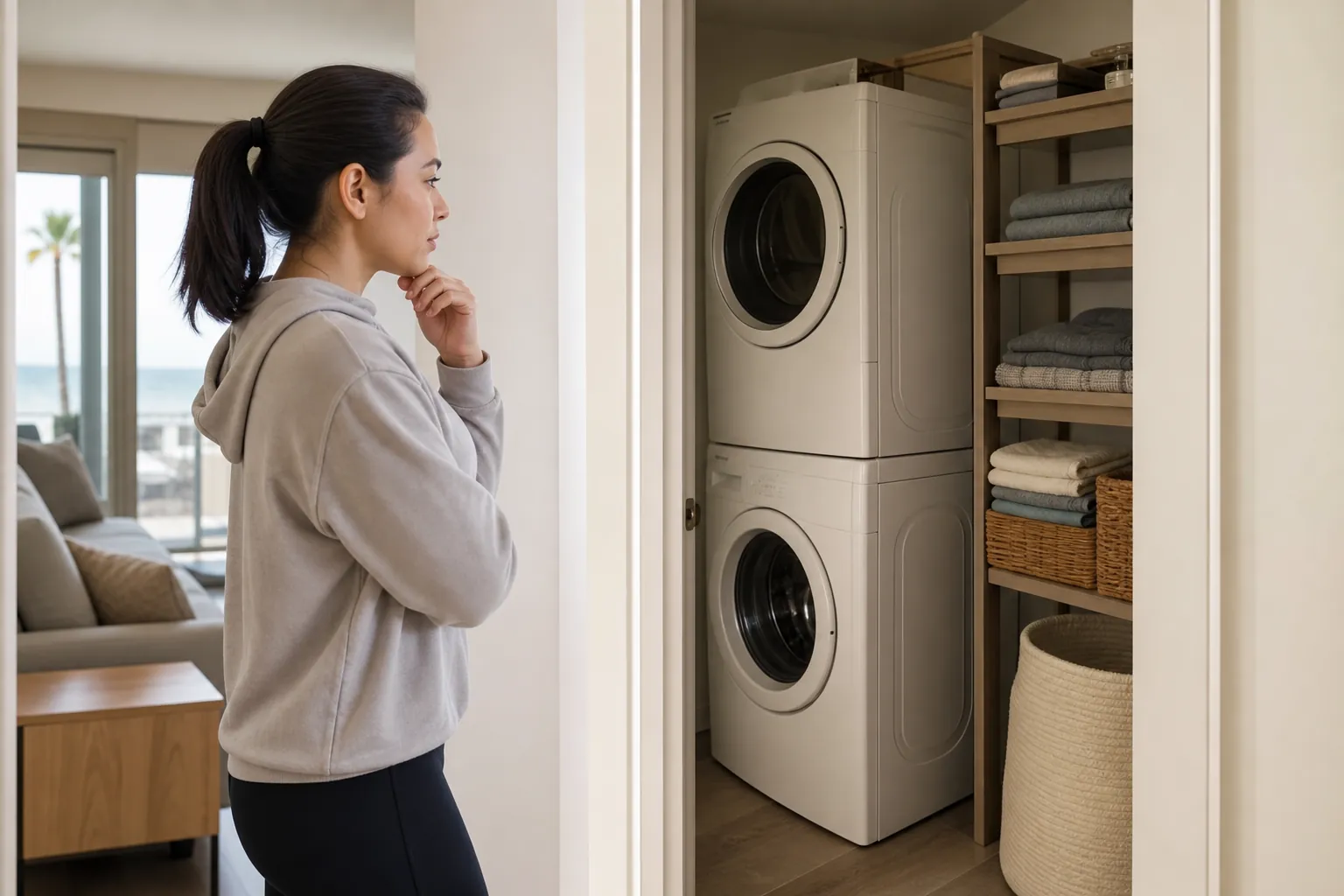
Common Laundry Arrangements In Residential Treatment
There is no single laundry model across California residential rehab programs. Facilities may have different layouts, staffing patterns, equipment, and safety procedures. Even programs operated by the same organization may use different arrangements at different locations.
A shared laundry room is one possible setup. Residents may wash their own clothes during designated times, following instructions about machine use and storage. Access might depend on the daily schedule, staff availability, or a sign-up system.
Other programs may collect clothing for staff-managed washing or use a laundry service. In those settings, turnaround time, labeling requirements, and collection days become especially important. You may need extra clothing while a load is being processed.
Some facilities use a combination of approaches. Personal clothing might be handled differently from bedding and towels, or laundry procedures might change during an initial stabilization period. Ask specifically about your likely situation instead of relying on a general description.
- Ask whether residents wash their own clothing or whether staff coordinate the process.
- Confirm whether machines are on-site and whether access requires staff supervision.
- Find out how laundry arrangements may differ during your first days of treatment.
- Ask who handles bedding and towels, since those items may follow a separate schedule.

Questions To Ask About Laundry Access During Residential Rehab
A short conversation with admissions can resolve most packing uncertainties. Ask for the current written packing list, then review any laundry details that are unclear. If you are speaking with an outside referral source, confirm the answers with the actual treatment facility.
Focus on information that changes what you bring. Access hours, detergent rules, costs, and drying options are more useful than a simple statement that laundry is available. You also want to know what happens if a machine is temporarily unavailable.
- Ask how often you can do laundry and whether there are assigned days or time slots.
- Confirm whether laundry use, detergent, or a laundry service carries any separate charge.
- Ask whether detergent is supplied and whether fragrance-free options are available.
- Find out whether personal detergent, stain remover, or dryer sheets are permitted.
- Ask whether there is an approved place to air-dry items that cannot go in a dryer.
- Confirm whether clothing needs to be labeled and what labeling method is recommended.
- Ask how residents should report missing clothing, equipment problems, or laundry-related concerns.
Write the answers down or request them by email if available. This gives you a reference when packing and helps family members understand what to bring later. Policies can change, so older online reviews or packing advice from a former resident may not reflect current procedures.
How Much Clothing Should You Pack?
Start with the program's packing limit and expected laundry frequency. A modest rotation of washable everyday clothing is usually more practical than a large wardrobe, but the exact amount should come from the facility. Do not assume a weekly laundry schedule unless admissions confirms it.
Think in terms of complete outfits, with enough underwear and socks to cover the time between washes plus a reasonable buffer. That buffer can help if a load is delayed, an item becomes soiled, or you need to change after physical activity.
Choose pieces that work together and suit the activities the program permits. Comfortable shirts, suitable pants, sleepwear, and approved footwear are often more useful than formal clothing. Check dress rules before packing items with potentially prohibited graphics or cuts.
California weather varies considerably by region and season. Coastal mornings, inland heat, and cooler evenings may require different layers. Indoor temperatures can also differ from outdoor conditions, so a simple sweatshirt or other permitted layer may be useful.
- Pack clothing that can tolerate ordinary machine washing and drying.
- Bring enough basic garments for the confirmed laundry interval, with a small allowance for delays.
- Choose layers appropriate to the facility's location and your expected admission dates.
- Leave expensive, irreplaceable, and dry-clean-only items at home whenever possible.
- Follow the program's rules for footwear, outerwear, accessories, and overall bag size.
Detergent, Sensitive Skin, And Clothing Care
Detergent deserves a separate question, especially if you have sensitive skin or a known reaction to fragrance. A program may supply a standard product, permit approved personal products, or restrict what residents keep in their rooms. None of these arrangements should be assumed.
If a particular product causes irritation, explain the issue before arrival. Ask whether an alternative can be provided or whether you may bring an approved option. Describe the need clearly, but avoid bringing unapproved products and expecting staff to make an immediate exception.
Programs may restrict cleaning supplies because of storage, safety, or ingredient concerns. Laundry pods, liquid detergent, bleach, aerosol stain removers, and other products may each have different rules. Even a familiar household product can be subject to the facility's screening process.
For easier clothing care, check garment labels while packing. Items that require cold washing, special handling, or flat drying may not fit the available setup. If a garment matters to you, leave it home unless you can confidently care for it within the program's rules.
You can also reduce laundry complications by choosing similar fabrics and colors. A small collection of durable basics is easier to sort than delicate fabrics mixed with heavily dyed garments. Simple clothing choices give you fewer decisions to manage during a busy treatment day.
Fitting Laundry Into A Structured Treatment Schedule
Residential treatment generally follows a schedule, and practical tasks need to fit around required activities. Laundry should not mean missing counseling or leaving a group without permission. Ask when household tasks are expected to happen and whether staff announce available laundry periods.
If residents manage their own washing, a simple routine can help. Keep dirty clothing in the approved container, sort it before your time slot, and have permitted supplies ready. Being prepared reduces the chance that laundry will overlap with another commitment.
Shared equipment works best when everyone follows the same rules. Remove clothing promptly when a cycle ends, avoid taking more time than allowed, and ask staff how to handle someone else's unattended load. Do not assume you are permitted to move another resident's belongings.
- Use approved laundry times rather than trying to fit a load into a required treatment session.
- Set a permitted reminder or note the cycle's finish time so clothing is not left unattended.
- Follow posted instructions for load size, detergent quantity, and machine settings.
- Tell staff promptly if a washer leaks, a dryer stops heating, or another problem occurs.
- Ask for guidance when a schedule conflict arises instead of skipping treatment activities.
The goal is a workable routine, not perfect housekeeping. During the first days of care, you may need extra guidance as you learn the schedule. Asking how a task works is a normal part of settling into a residential program.
Getting Help With Mobility, Symptoms, Or Other Needs
Not everyone can carry a laundry basket, reach machine controls, or stand long enough to transfer wet clothing. A recent injury, chronic pain, disability, or other condition may affect how you use shared equipment. Raise these needs during the admission process so the program can assess its ability to support you.
Be specific about the task that is difficult. For example, explain whether you need help lifting clothing, navigating stairs, reading controls, or following several steps in sequence. Specific information is more useful than simply saying that laundry may be challenging.
Symptoms during early recovery may also make ordinary tasks harder. If you feel unwell or too fatigued to manage laundry safely, tell clinical staff. Do not let concerns about dirty clothing delay reporting symptoms or asking for medical assessment.
Programs differ in the assistance they can provide, and a request does not guarantee a particular accommodation. Ask who evaluates the need, what options are available, and whether another care setting may be more appropriate if your needs exceed the facility's capabilities.
Hygiene And Privacy In Shared Laundry Areas
Shared laundry spaces require basic consideration for other residents. Keep your clothing together, use the designated container, and follow the facility's directions for soiled items. Ask staff how to handle clothing affected by bodily fluids rather than placing it in a shared area without guidance.
Avoid leaving damp clothes in a closed bag for long periods. When permitted, transfer them promptly to washing or drying so they do not remain wet. If air-drying is allowed, use only the designated space and avoid blocking walkways or shared furniture.
Privacy matters too. Clothing and personal belongings can feel especially sensitive in a communal setting. Label items only as the program recommends, and ask how staff-managed laundry is kept organized. Do not photograph laundry areas or other residents' belongings.
If something goes missing, report it through the facility's process. A calm description of the item, the last time you saw it, and any identifying label can help. Avoid confronting another resident or searching someone else's belongings.
Planning For Delays, Longer Stays, And Family Support
Even a well-organized laundry system can experience delays. Equipment may need repair, schedules may shift, or service turnaround may take longer than expected. Ask what backup arrangements exist and keep a small reserve of essential clothing within the program's packing limits.
If your stay becomes longer than initially expected, you may need seasonal clothing or replacement basics. Confirm whether family members can drop off items, whether packages are accepted, and how incoming belongings are screened. Delivery methods and approved items can vary.
Family support is most helpful when it follows the facility's process. A relative should not arrive with detergent, extra bags, or new clothing without checking first. Unplanned deliveries can create storage issues or require items to be returned.
- Ask whether an approved support person can deliver replacement clothing if needed.
- Confirm package rules, delivery hours, and any limits on additional belongings.
- Keep a simple list of essential sizes and items for a support person to reference.
- Check with staff before arranging outside laundry services or removing clothing from the facility.
People without local family support should ask admissions how clothing needs are addressed during a longer stay. Do not assume that off-site shopping, delivery, or transportation will be available. Understanding the options early can prevent unnecessary stress later.
A Practical Checklist Before You Leave Home
Before closing your bag, compare what you have packed with the current facility list. Remove restricted supplies, unnecessary valuables, and clothing that requires care the program cannot accommodate. Keep essential admission documents separate from laundry items so they are easy to access.
Confirm your laundry plan in a few plain sentences: who washes the clothes, when washing happens, which supplies are available, and how to request help. If you cannot answer one of those questions, contact admissions before leaving home.
For Living Longer Recovery, call (747) 232-9694 to ask about current packing instructions and laundry arrangements. Share any detergent sensitivities, accessibility needs, or concerns about having enough clothing. The admissions team can clarify what applies to the location and services you are considering.
Planning for laundry access during residential rehab is a small but useful step toward a more manageable stay. Clear expectations, washable basics, and an understanding of the facility's routine let you spend less time worrying about clothing and more time participating in your care.
Call (747) 232-9694 to talk through next steps.