Understanding phone access during residential treatment

Entering residential treatment often brings practical questions about daily life. One of the most common is whether clients can keep or use their phones. For many people, a phone is a link to family, work, transportation, finances, and healthcare. At the same time, constant access can introduce stress, distractions, or contact with people connected to substance use.
A phone policy in residential rehab is designed to balance those concerns. Rules vary among California treatment centers, and they may also change according to a client’s clinical needs, level of care, and stage of treatment. Understanding the purpose of these guidelines can make the transition into care feel more manageable.
Why residential rehab programs limit phone use
Residential treatment provides a structured setting where clients can step away from routines and influences that may reinforce substance use. Temporary limits on personal devices create space to focus on stabilization, counseling, peer support, and healthy daily habits.
Phones can also expose clients to triggering messages, social media content, financial stress, or conflict at home. Even positive conversations may become emotionally overwhelming during the first days of care. A short adjustment period without unrestricted access can help clients become grounded in the treatment environment.
Privacy is another important consideration. Smartphones include cameras, microphones, and location-sharing features. Clear rules help protect the confidentiality of everyone in the residence, not only the person who owns the device.
What to expect when you arrive
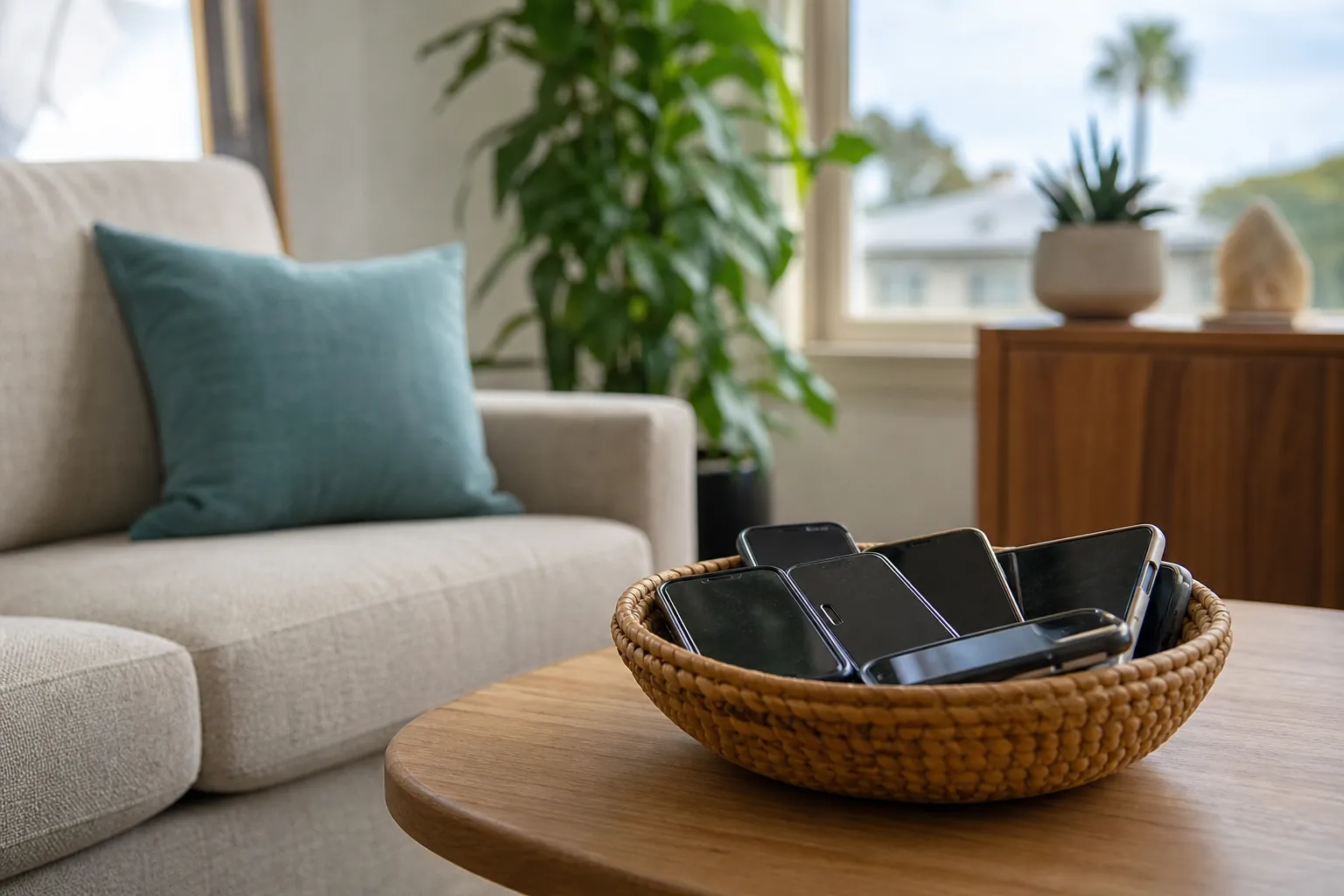
Upon admission, staff typically review personal belongings and explain the program’s communication guidelines. A phone may be stored securely, permitted only during scheduled periods, or returned after an initial orientation phase. Some facilities provide a shared phone for approved calls instead of allowing personal devices.
The exact process depends on the program. A center may make reasonable arrangements for urgent family needs, legal obligations, medical coordination, or employment matters. Clients should provide important contact information during admission so staff know whom to reach in an emergency.
Before packing, ask the admissions team how devices and chargers are handled. Knowing whether you need a written list of phone numbers can prevent frustration. It is also wise to tell family members that delayed replies do not mean something is wrong. They can use the facility’s designated contact process when necessary.

Common elements of a residential phone policy
Policies differ, but most address when, where, and how calls can occur. They may also cover texting, video calls, social media, photography, and internet access. Typical guidelines can include:
- An initial adjustment period: Personal phone access may be paused during the first days so clients can complete assessments and settle into the schedule.
- Scheduled call times: Calls may be allowed during designated evening or weekend periods that do not conflict with groups and appointments.
- Approved contacts: Some programs ask clients to identify supportive family members, partners, attorneys, employers, or healthcare providers.
- Private calling areas: Designated spaces can support appropriate conversations while protecting other residents from being recorded or overheard.
- Limits on cameras and social media: Photography, livestreaming, posting, or tagging may be prohibited to preserve confidentiality.
- Clinical exceptions: The treatment team may adjust access when communication supports a care plan, family session, or urgent responsibility.
- Consequences for misuse: Repeated violations may lead to reduced access, additional clinical review, or a revised communication plan.
These limits are generally not intended to isolate or punish clients. Their purpose is to create consistency and reduce avoidable disruptions within a shared healing environment.
Staying connected with family during treatment
Supportive relationships can play an important role in recovery. Residential care does not necessarily mean losing contact with loved ones. Instead, communication may become more intentional through scheduled calls, family therapy, educational sessions, or approved visits.
Families can prepare by choosing one reliable point of contact. That person can share important updates with others, reducing the pressure of multiple calls. Loved ones should also avoid bringing up preventable conflicts during brief conversations. Encouragement, practical updates, and respect for treatment boundaries can make calls more productive.
If a client cares for children or an older relative, the admissions team should know before arrival. Staff may help plan appropriate communication while keeping the client engaged in treatment. California programs may have different visitation and consent procedures, so confirm details directly rather than relying on general assumptions.
How phone boundaries can benefit recovery
Stepping back from a device can initially feel uncomfortable. That discomfort may reveal patterns such as compulsive scrolling, difficulty tolerating quiet, or dependence on immediate reassurance. Treatment offers an opportunity to practice coping skills instead of automatically reaching for a screen.
Limited access can improve participation in therapy and strengthen face-to-face connections with peers. It may also support sleep by reducing late-night notifications and screen exposure. Over time, clients can learn to use technology in ways that align with their recovery goals.
Healthy phone use is not necessarily permanent abstinence from technology. A discharge plan may include blocking high-risk contacts, changing a number, removing certain apps, limiting social media, or setting device-free hours. These practical boundaries can support the transition back into everyday life.
Questions to ask before choosing a program
Phone rules should be transparent. Admissions staff should be able to describe the policy clearly and explain how urgent circumstances are managed. Consider asking when personal phones are collected, where they are stored, how often calls are available, and whether video calls are permitted.
You may also want to ask about family sessions, work-related communication, telehealth appointments, and accessibility needs. If a program cannot guarantee unrestricted access, discuss which responsibilities can be handled before admission and which may require staff assistance.
Honest communication helps everyone plan effectively. Avoid hiding a second device or attempting to bypass rules, as this can undermine trust and distract from care. If a restriction creates a genuine hardship, bring it to the clinical team so an appropriate solution can be considered.
Get clear answers before admission
Living Longer Recovery helps individuals and families understand what to expect from residential substance use treatment in California. Communication guidelines are one part of creating a safe, focused, and respectful setting for recovery.
If you have questions about phone access, family communication, or preparing for admission, call Living Longer Recovery at (747) 232-9694. A calm conversation can help you understand available options and take the next step with greater confidence.
Call (747) 232-9694 to talk through next steps.