

A handwritten letter can make an unfamiliar place feel more manageable. During residential treatment for a substance use disorder, mail may offer encouragement, practical information, and a connection to people who support your recovery. It can also raise questions about privacy, deliveries, and what is appropriate to send.
Receiving mail in residential rehab usually depends on the program's written policies, your preferences, and any safety concerns. California treatment centers do not all handle correspondence the same way. Before someone sends a letter or package, ask the admissions team for current instructions rather than assuming ordinary home-delivery rules apply.
This guide explains what to ask, how loved ones can write supportive letters, and how to manage important correspondence without letting paperwork take over your treatment. For questions about preparing for care with Living Longer Recovery, call (747) 232-9694.
Can You Receive Mail During Residential Treatment?
Many residential treatment programs allow residents to receive letters and certain approved deliveries. However, access, screening procedures, package restrictions, and distribution schedules vary. A program may treat a greeting card differently from a box containing clothing, food, or personal care products.
Some facilities also have rules about outgoing letters, postage, online purchases, or contact with particular individuals. These rules should be explained clearly so you can plan before admission. Ask for the written policy and clarification of anything that seems unclear.
It is helpful to separate three questions: whether mail is allowed, how staff handle it, and when it reaches you. Permission to receive correspondence does not necessarily mean immediate delivery or unrestricted acceptance of packages.
- Ask whether incoming letters are accepted throughout your stay or whether any initial restrictions apply.
- Find out whether packages require approval before someone sends them.
- Confirm how often mail is distributed and what happens to deliveries on weekends.
- Ask what procedure applies if a delivery arrives after you leave the program.
Do not assume Living Longer Recovery follows any particular mail procedure based on general industry practices. Its team can explain the current arrangements relevant to your admission.
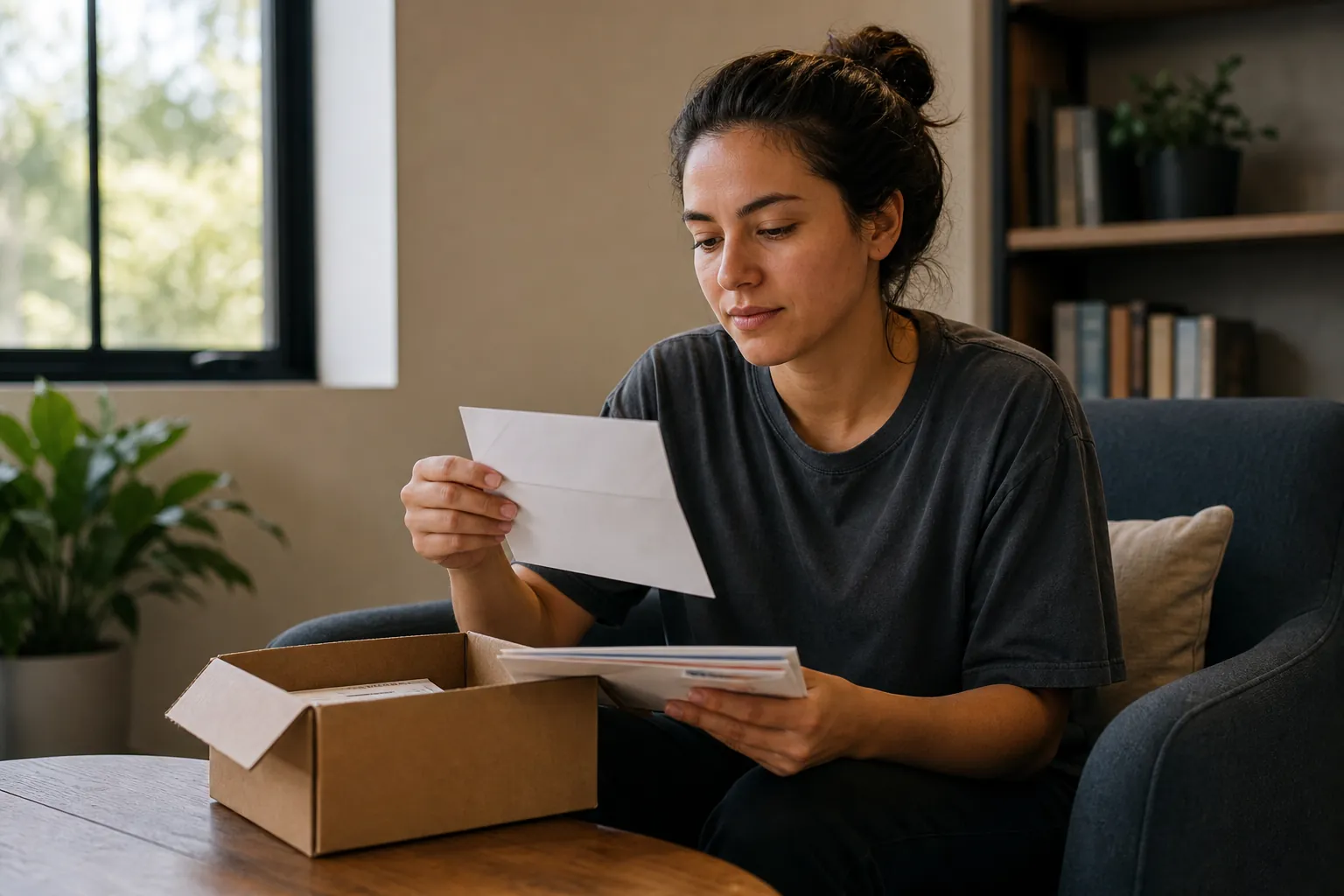
Get The Correct Mailing Address Before Anyone Sends Anything
The address listed on a treatment provider's website may be an administrative office, an admissions location, or a mailing address rather than the residence where you will stay. A package sent to the wrong location can be delayed, returned, or difficult to retrieve.
Ask the program for the exact address format, including the recipient name it needs and any approved routing information. Confirm whether senders should use your full name, include an attention line, or omit information that would identify your treatment status.
California residential programs may operate across multiple locations. If your placement changes, your mailing instructions may change too. Verify the address after admission and before ordering anything time-sensitive.
- Use only the mailing address and recipient format provided by the treatment team.
- Ask whether deliveries from the United States Postal Service and private carriers are handled differently.
- Confirm whether signature-required deliveries can be accepted and who is authorized to sign.
- Tell senders not to include your diagnosis, treatment details, or other unnecessary personal information on the outside of an envelope.
A simple address error can create stress that is avoidable. When possible, have one trusted person keep the confirmed mailing instructions and share them only with people you want to hear from.

What Letters And Packages Can Contain
Letters are often easier to manage than packages. A supportive note usually needs less coordination than a delivery containing several personal items. Even so, confirm whether cards with electronics, decorative inserts, or attachments are accepted before sending them.
Packages may be restricted because contents can introduce substances, create storage problems, or conflict with a resident's care plan. Restrictions can apply to items that seem ordinary outside treatment, including alcohol-containing toiletries, supplements, food, and certain reading materials.
Do not mail prescriptions, over-the-counter medications, vitamins, or supplements without explicit instructions from the program. Medication management requires coordination with the clinical team. A mailed product may not be accepted simply because it is legal to buy.
- Ask for approval before sending clothing, books, toiletries, or other personal belongings.
- Check whether food is permitted and whether there are restrictions related to allergies, storage, or dietary needs.
- Avoid sending cash, expensive jewelry, or valuables unless the program specifically explains how they can be handled.
- Do not send alcohol, cannabis, other drugs, drug-related items, or products intended to bypass facility rules.
- Use the facility's approved process for any needed medication rather than arranging an independent shipment.
For approved packages, a short list of contents can help staff identify what has arrived. Ask whether items should remain in their original packaging. If a product is not allowed, clarify whether it will be returned, stored, or handled another way.
Understand Mail Screening And Privacy
Privacy is a common concern when receiving mail in residential rehab. You may wonder whether envelopes are opened, whether letters are read, or whether packages are inspected. These are different practices, and a useful policy should distinguish between them.
A facility may have safety procedures for checking incoming items. That does not establish that every program follows the same procedure or that staff routinely read personal correspondence. Ask what inspection involves, who performs it, and whether you are present.
Federal and California confidentiality protections may apply to treatment information. However, confidentiality rules and mail-handling practices address different issues. Avoid assuming that a treatment privacy notice fully explains how letters or packages are processed.
- Ask whether staff open envelopes, inspect only packages, or use another screening procedure.
- Find out whether personal letters are read and, if so, under what circumstances and policy.
- Ask how confidential legal, financial, or medical correspondence should be identified and handled.
- Confirm how you can raise a concern about missing, delayed, or improperly handled mail.
If something feels unclear, request an explanation from the appropriate staff member. For a specific legal concern, speak with an attorney or a qualified patient-rights resource. General online guidance cannot determine the rights or obligations that apply to an individual situation.
How Loved Ones Can Write Supportive Letters
The most helpful letter is often straightforward. It communicates care without demanding an immediate reply, promising a perfect future, or turning the envelope into a place to settle old arguments. A few thoughtful paragraphs can be enough.
Writers can acknowledge that treatment takes effort while leaving room for the recipient's experience. Saying, 'I care about you, and I hope you are finding the support you need,' is usually more grounded than insisting that someone must feel grateful or optimistic.
Everyday details can also help. A brief update about a pet, a garden, or a family routine may provide connection without overwhelming the reader. Consider the person's interests and avoid assuming they want constant news about everything happening at home.
- Express support without asking the recipient to reassure you about their progress.
- Keep questions limited and make clear that a reply is optional.
- Avoid descriptions of substance use, partying, or other situations the recipient may find triggering.
- Respect any boundaries the person has set about relationships or topics.
- Offer practical help that you can realistically provide, such as organizing bills or caring for a pet.
A useful closing might be, 'You do not need to write back right away. I am thinking of you and am available to help with the things we discussed.' This supports connection while protecting time for treatment.
Set Boundaries Around Difficult Or Unwanted Mail
Not every letter feels supportive. Correspondence from an estranged relative, a former partner, or someone connected to substance use may bring up fear, guilt, anger, or cravings. Those reactions do not mean you are failing at treatment.
If you are worried about receiving mail from a particular person, tell your treatment team before admission or as soon as the concern arises. Ask what options exist under the program's policies and applicable requirements. Staff may be able to help you create a plan for handling contact.
You may also want to decide when to open emotionally difficult correspondence. Reading it immediately before a therapy session, bedtime, or a demanding activity may not be the best choice for you. Discuss timing and support with your counselor.
- Let staff know if a sender has threatened, harassed, or pressured you.
- Ask whether you can arrange support before opening a letter that may be upsetting.
- Discuss whether you want to reply, delay a reply, or avoid responding.
- Keep threatening correspondence and seek appropriate assistance rather than handling a safety concern alone.
For immediate danger, alert staff and contact emergency services as appropriate. For nonurgent relationship concerns, a counselor can help you think through boundaries without forcing a decision in the moment.
Plan For Bills, Legal Notices, And Other Important Documents
Residential treatment does not pause outside responsibilities. Bills, insurance letters, housing notices, court documents, and employment correspondence may still arrive. Before entering care, make a practical plan for identifying items that need timely attention.
A trusted person may be able to check your home mailbox and notify you about important deadlines. Agree on what they may open, what should remain private, and how they should contact you. Simply receiving your mail does not necessarily authorize someone to make legal or financial decisions for you.
For routine accounts, paperless statements or automatic payments may reduce paperwork, but review these options carefully. Automatic payments can create problems if funds are limited, and electronic access may be restricted during treatment.
- Identify upcoming bills and deadlines before admission whenever possible.
- Give a trusted helper clear instructions about urgent notices and private correspondence.
- Ask the program how residents can address necessary paperwork during their stay.
- Consult an attorney about court deadlines or legal notices rather than assuming treatment excuses a missed response.
- Keep copies of important documents in a secure location that an authorized person can access if needed.
If you consider a postal forwarding request or temporary hold, check current postal requirements and coordinate with the facility first. Forwarding everything to a treatment address may be unnecessary or incompatible with its delivery procedures.
Sending Letters And Managing Expectations
Outgoing mail can give you a way to reflect and communicate at your own pace. Unlike a live conversation, a letter allows time to choose words, pause, and decide what you are ready to share. It does not need to become a detailed report on your treatment.
Ask whether you should bring stationery, envelopes, and stamps or whether these items are available through the program. Confirm where outgoing mail is collected and whether there are any restrictions you need to understand.
It can help to tell loved ones that replies may be irregular. Treatment schedules, emotional energy, and ordinary delivery delays can affect correspondence. A quiet week should not automatically be interpreted as rejection or a sign that something is wrong.
If you write about a difficult issue, consider reviewing the letter with a counselor before sending it. This is especially useful for apologies, relationship boundaries, or requests involving money. Support can help you communicate clearly without making commitments you are not ready to keep.
Make A Simple Mail Plan Before Admission
A mail plan does not need to be complicated. Its purpose is to reduce preventable interruptions and help you receive the contact that supports your care. One page of confirmed information is often more useful than several separate conversations with different relatives.
- Get the current written mail policy and the approved delivery address.
- Choose who may have your address and who will manage correspondence at home.
- Share package restrictions before anyone buys or ships items.
- Identify confidential documents and deadlines that need a separate handling plan.
- Explain that letters are welcome only within the boundaries you choose.
- Ask how mail will be handled when you transfer or complete treatment.
Review the plan if your circumstances change. A new address, a family conflict, or an unexpected legal notice may require a different approach. Bringing questions to staff early is generally easier than trying to fix a misdirected package later.
Ask Living Longer Recovery About Preparing For Care
Receiving mail in residential rehab can help you stay connected while maintaining space for treatment. The best arrangement balances encouragement, safety, privacy, and practical responsibilities. Clear instructions help both you and the people who care about you.
If you are considering residential substance use treatment in California, ask about correspondence alongside other admission details, such as belongings, communication access, and medication coordination. These everyday questions are a reasonable part of planning for care.
Call Living Longer Recovery at (747) 232-9694 to discuss preparing for treatment and request current information about mail and deliveries. You can ask what to share with loved ones before they send anything, so your focus can remain on getting support.
Call (747) 232-9694 to talk through next steps.