
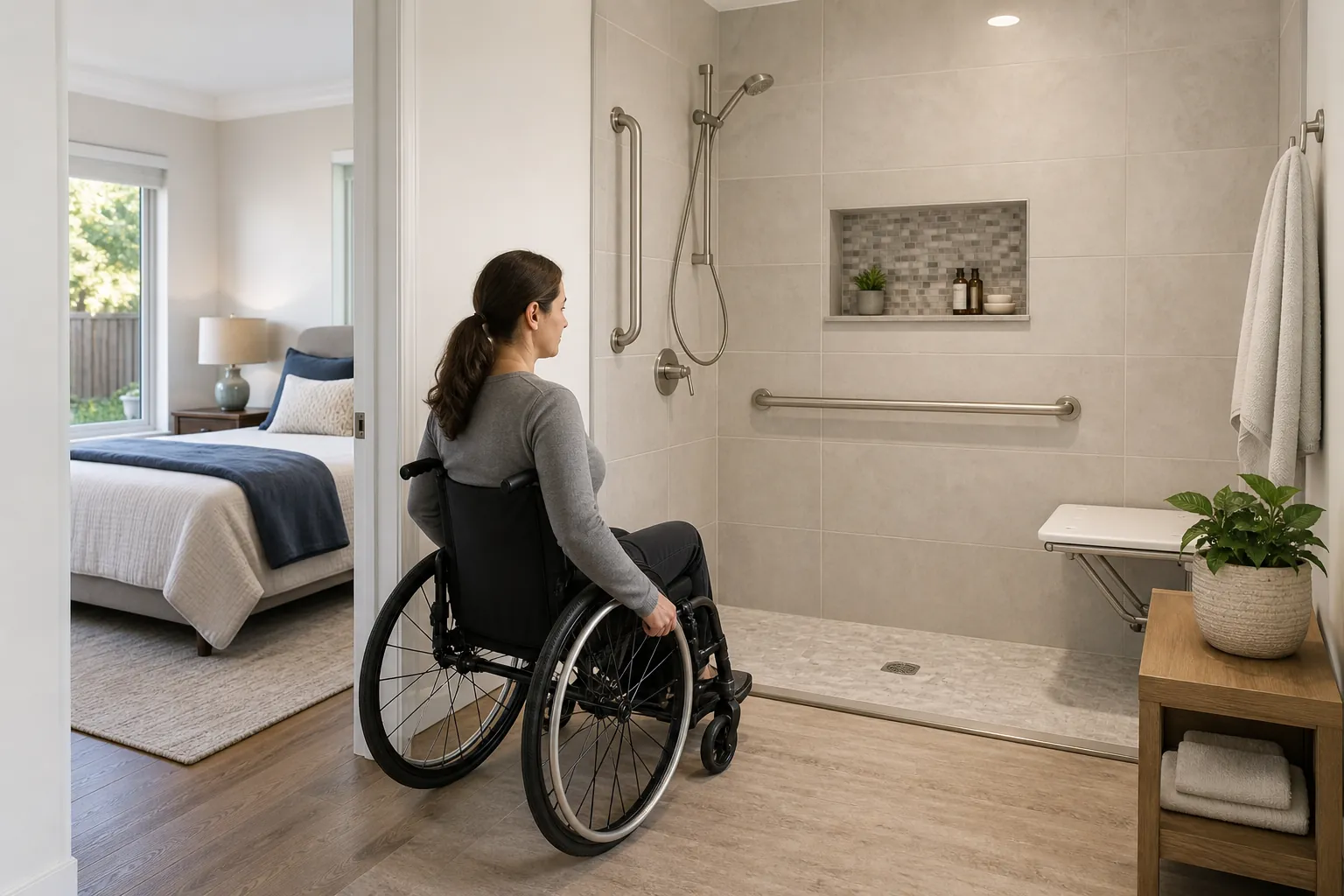
Finding addiction treatment should not require someone to overcome unnecessary physical, communication, sensory, or cognitive barriers. Yet people with disabilities and chronic health conditions may encounter facilities, intake processes, or program formats that do not fully match their needs. Asking detailed questions before admission can help identify a setting where recovery services are both clinically appropriate and realistically accessible.
Living Longer Recovery helps individuals and families explore treatment options with dignity and clarity. This guide explains what rehab accessibility accommodations in California may involve, which questions to ask, and how to prepare for admission. Because every person and facility is different, accommodations should be discussed directly with the treatment provider before enrollment.
What accessibility means in addiction treatment
Accessibility is broader than wheelchair access. It can include the ability to enter and move through a facility, communicate with staff, understand program materials, participate in therapy, manage health needs, and receive information in a usable format. An accessible program considers how a person's disability or condition affects each stage of care.
Substance use treatment may include assessment, withdrawal management, residential care, outpatient counseling, medication management, group therapy, and continuing care. A person might be able to participate in one level of care but need added support in another. For example, an outpatient office may be physically accessible while transportation remains a barrier. A residential facility may have an accessible bedroom but limited support for certain medical needs.
Accessibility discussions should be individualized. Two people with the same diagnosis may need different accommodations. One person with low vision may use screen-reading technology, while another may prefer large-print documents. Someone with limited mobility may need a roll-in shower, while another person may need fewer stairs and additional time between activities.
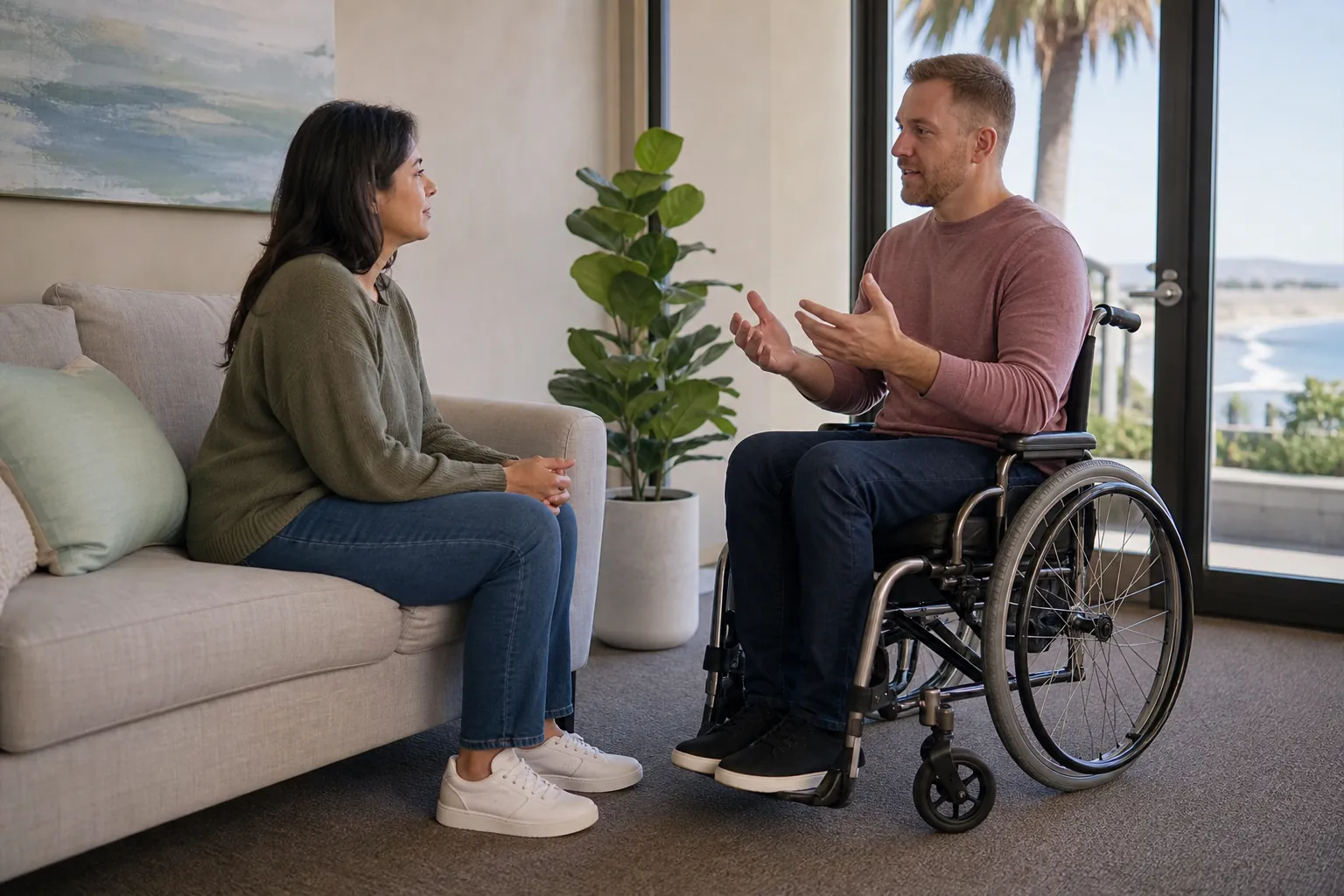
Common types of rehab accommodations
California treatment providers vary in their buildings, staffing, licenses, and clinical capabilities. Not every center can safely meet every need, but admissions staff should be able to explain what is available and identify limitations. Common accommodation areas include the following.
Mobility and physical access
People who use wheelchairs, walkers, canes, braces, or other mobility aids may need to evaluate the full environment. Access should be considered from arrival through daily programming, not only at the front entrance.
- An accessible route should connect parking or drop-off areas with program spaces, bedrooms, dining areas, and bathrooms.
- Doorways, ramps, elevators, and hallways should be suitable for the individual's mobility device.
- Bathrooms may need grab bars, appropriate turning space, an accessible shower, or a shower seat.
- Program schedules may require flexibility when someone needs more time to move between sessions.
- Emergency plans should account for mobility needs, especially in multistory buildings.
Ask whether the accessible room is actually available for the expected admission date. It is also useful to ask for measurements, photographs, or a virtual tour when an in-person visit is not practical.
Hearing and communication access
People who are Deaf or hard of hearing may require effective communication for assessments, informed consent, therapy, medical appointments, and group participation. Needs can differ based on a person's preferred communication method.
- A qualified sign language interpreter may be appropriate for clinical conversations and group sessions.
- Written communication, real-time captioning, or assistive listening systems may support participation in specific activities.
- Visual or vibrating alerts may be needed for alarms, schedules, or staff notifications.
- Telephone alternatives may be necessary for family sessions, care coordination, or recovery-support calls.
Family members should not automatically be treated as substitutes for qualified communication support, particularly during confidential clinical discussions. Ask who arranges services, how quickly they can be scheduled, and whether they are available during evenings or urgent situations.
Vision-related accommodations
For people who are blind or have low vision, accessibility may involve both navigation and information. Treatment often relies on handouts, written schedules, medication instructions, and recovery assignments, so usable formats matter.
- Materials may be provided in large print, accessible digital files, audio, or Braille when appropriate.
- Staff can offer an orientation to the facility and explain changes in room layouts or schedules.
- Digital portals and forms should work with commonly used accessibility tools when possible.
- Medication procedures should provide clear, accessible identification and instructions.
- Policies regarding service animals should be explained before arrival.
Discuss whether personal assistive devices can be used and securely stored. If a person uses a service animal, ask about sleeping arrangements, relief areas, daily care responsibilities, and any areas with legitimate safety restrictions.
Cognitive, learning, and neurodevelopmental needs
Some people benefit from information that is simplified, repeated, or presented in more than one way. This may apply to people with intellectual or developmental disabilities, brain injuries, attention-related conditions, autism, learning disabilities, or cognitive effects associated with health conditions.
- Staff may break instructions into manageable steps and check understanding without judgment.
- Written schedules and visual reminders can make daily expectations easier to follow.
- Therapy assignments may be adjusted to preserve their purpose while improving usability.
- A quieter setting or planned sensory breaks may reduce overload during programming.
- Consistent routines and advance notice of changes may support participation.
It is important to distinguish an accommodation from a change that would make treatment clinically ineffective or unsafe. A collaborative conversation can often identify another way to meet the therapeutic objective.
Chronic medical conditions and personal care
Diabetes, respiratory conditions, seizure disorders, chronic pain, and other health concerns may affect placement. A substance use treatment facility is not necessarily a hospital or skilled nursing facility. Its ability to provide medical monitoring or hands-on personal care depends on its licensing, staffing, and level of care.
Before admission, disclose relevant health needs honestly. Ask who manages medications, whether nursing coverage is available, how urgent health issues are handled, and which nearby medical services are used. If assistance is needed with bathing, dressing, transfers, eating, or other daily activities, confirm whether the program can provide that help or coordinate an appropriate outside service.
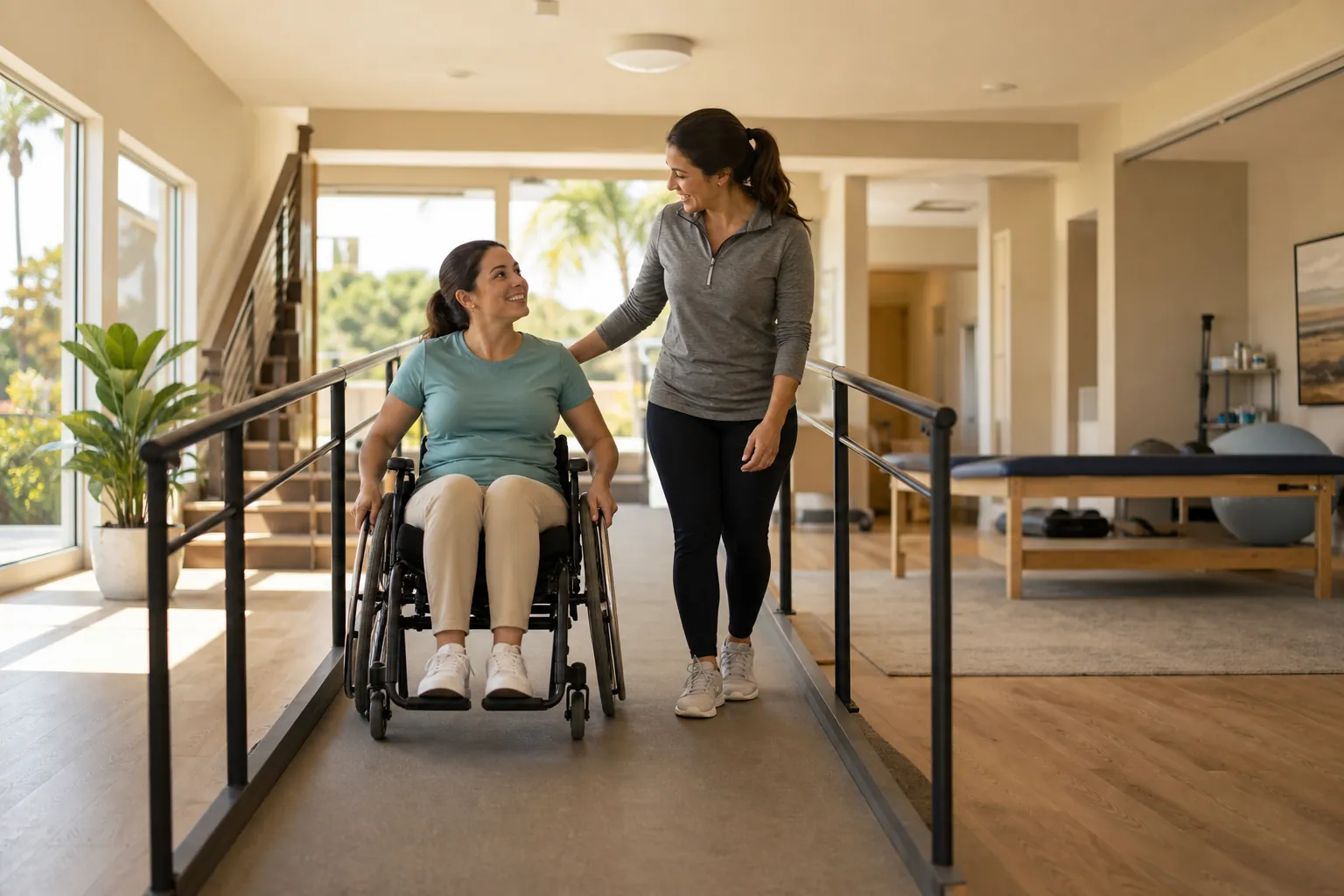
How California protections may apply
Disability access in California can involve federal and state protections, including the Americans with Disabilities Act and California civil rights laws. In general, covered organizations may need to provide reasonable modifications, remove certain barriers when required, and offer effective communication. How these duties apply depends on factors such as the organization, the requested change, and whether the request would create a fundamental alteration, undue burden, or direct safety concern.
These protections do not mean every facility must provide every medical service or accept every prospective patient. Treatment providers still need to determine whether they can safely deliver the appropriate level of care. However, decisions should be based on an individualized assessment rather than stereotypes about disability.
Accessibility and clinical eligibility are related but distinct. A center might be able to modify a group format but lack the medical capacity to manage a complex condition. Another provider may have stronger medical resources but an older building that presents physical barriers. Comparing several programs may be necessary to find the right combination.
If an accommodation is denied, request a clear explanation and ask whether an alternative could provide meaningful access. People seeking legal guidance or wishing to file a complaint can consult an attorney or an appropriate federal or California agency. This article provides general educational information and is not legal advice.
Questions to ask an admissions team
A specific conversation is more useful than asking only whether a rehab is accessible. Prepare a brief description of the person's functional needs, assistive equipment, communication preferences, medications, and daily support requirements. Then ask how those needs would be addressed during a typical day.
- Which entrances, bedrooms, bathrooms, therapy rooms, dining spaces, and outdoor areas are accessible?
- Are there stairs or narrow routes between any required activities?
- What accommodation request process do you use, and who makes the decision?
- Can requested communication services be available for intake, therapy, medical visits, and emergencies?
- How are accessible documents, schedules, and consent forms provided?
- What nursing, medication, and medical-monitoring services are available?
- Can the program support personal care needs, or must those services be arranged separately?
- Are mobility aids, communication devices, sensory tools, or medical equipment permitted?
- What are the policies for service animals and support persons?
- How does the emergency evacuation plan address the individual's needs?
- Does accessible transportation serve off-site appointments or recovery activities?
- Who pays for a requested service, and can coverage be confirmed in writing?
When possible, ask for responses in writing. A written plan can reduce confusion among admissions personnel, clinical staff, and the individual entering care. It can also identify arrangements that must be completed before arrival.
Matching accessibility with the right level of care
An accessible building is not enough if the clinical program does not fit the person's substance use, mental health, or medical needs. A thorough assessment should consider withdrawal risk, substances used, frequency and duration of use, previous treatment, co-occurring mental health symptoms, medications, living environment, and recovery support.
Some people need medically supervised withdrawal management before entering residential or outpatient treatment. Others may be appropriate for a structured residential setting, a partial hospitalization program, an intensive outpatient program, or standard outpatient counseling. Telehealth may reduce transportation barriers for some services, but it is not suitable for every clinical situation and may introduce technology or communication barriers.
Co-occurring mental health care is another important factor. Anxiety, depression, trauma-related symptoms, bipolar disorder, and other conditions can affect recovery and accommodation needs. Ask whether clinicians have experience supporting both the relevant disability and co-occurring behavioral health concerns. Experience alone does not guarantee fit, but it can support more informed planning.
Medication options should also be discussed. For people with opioid or alcohol use disorders, evidence-based medications may be part of treatment when clinically appropriate. Confirm whether a program provides these medications, continues an existing prescription, or coordinates with an outside prescriber. Accessibility should not come at the expense of suitable clinical care.
Insurance, payment, and documentation
Insurance coverage for substance use treatment depends on medical necessity, plan benefits, network rules, authorization requirements, and the provider's status. Coverage for accommodation-related services may involve separate questions. Verification before admission can help families understand likely costs and avoid assumptions.
Ask the treatment center to verify benefits and explain deductibles, copayments, coinsurance, authorization limits, and non-covered services. Contacting the insurer directly can provide additional confirmation. Keep notes that include the date, representative's name, reference number, and details discussed.
Documentation can help a provider understand and arrange an accommodation, but requests should remain relevant to the need. Useful records may include a medication list, mobility-device specifications, communication preferences, recent medical summaries, or recommendations from a qualified professional. Ask what documentation is required and why.
Do not wait until the day of admission to discuss a significant need. Interpreter scheduling, room assignment, equipment review, medication coordination, and transportation planning can take time. Early communication gives the provider an opportunity to prepare or explain why another setting may be safer.
Preparing for an accessible admission
Once a program appears suitable, create a practical admission plan. Review the facility's packing list and ask about exceptions for medically necessary or disability-related items. Some objects may normally be restricted for safety reasons, but the team may be able to establish a secure-use process.
- Bring an accurate medication list with doses, prescribing clinicians, and pharmacy information.
- Label approved equipment and pack chargers, batteries, or other necessary accessories.
- Provide emergency contacts and relevant medical instructions in an accessible format.
- Confirm transportation from the point of departure through the facility entrance.
- Identify the staff member responsible for coordinating accommodations after arrival.
- Review how concerns can be reported if an agreed accommodation is unavailable.
If a family member or caregiver has been involved, clarify what role that person will have during treatment. Privacy rules and therapeutic boundaries may limit involvement unless the patient authorizes communication. Completing appropriate releases can support coordination while respecting the individual's autonomy.
Needs can also change during recovery. Withdrawal, medication adjustments, sleep disruption, or worsening health symptoms may temporarily affect mobility, concentration, or communication. The treatment plan should be reviewed when circumstances change.
Planning for care after rehab
Accessibility remains important after discharge. Continuing care might include outpatient counseling, peer support, medication appointments, primary care, accessible housing, vocational services, or transportation assistance. A discharge plan should address how the person will reach and participate in these services.
Virtual support can be useful when travel is difficult, but platforms should be compatible with the person's communication and technology needs. In-person meetings should be evaluated for entrance access, seating, restrooms, lighting, sound, and transportation. Community recovery groups differ widely, so it may take several attempts to find an accessible and personally comfortable option.
Relapse-prevention planning should also be usable. Written plans can be offered in large print, audio, plain language, or a structured digital format. Important contacts should be easy to locate. When appropriate and authorized, family members or support professionals can learn how to recognize warning signs and help the person reconnect with care.
Taking the next step with confidence
Searching for rehab accessibility accommodations in California can feel complicated, particularly when urgent substance use concerns overlap with disability or chronic illness. A careful assessment can narrow the options and reduce last-minute barriers. The goal is not simply admission. It is placement in a program where the person can safely access and participate in meaningful treatment.
Living Longer Recovery welcomes conversations about individual needs, clinical fit, and available options. Our team can explain program features and discuss accommodation requests without judgment. If you are seeking treatment for yourself or someone you care about, call (747) 232-9694. We can help you identify the questions that matter and determine an appropriate next step.
Call (747) 232-9694 to talk through next steps.