
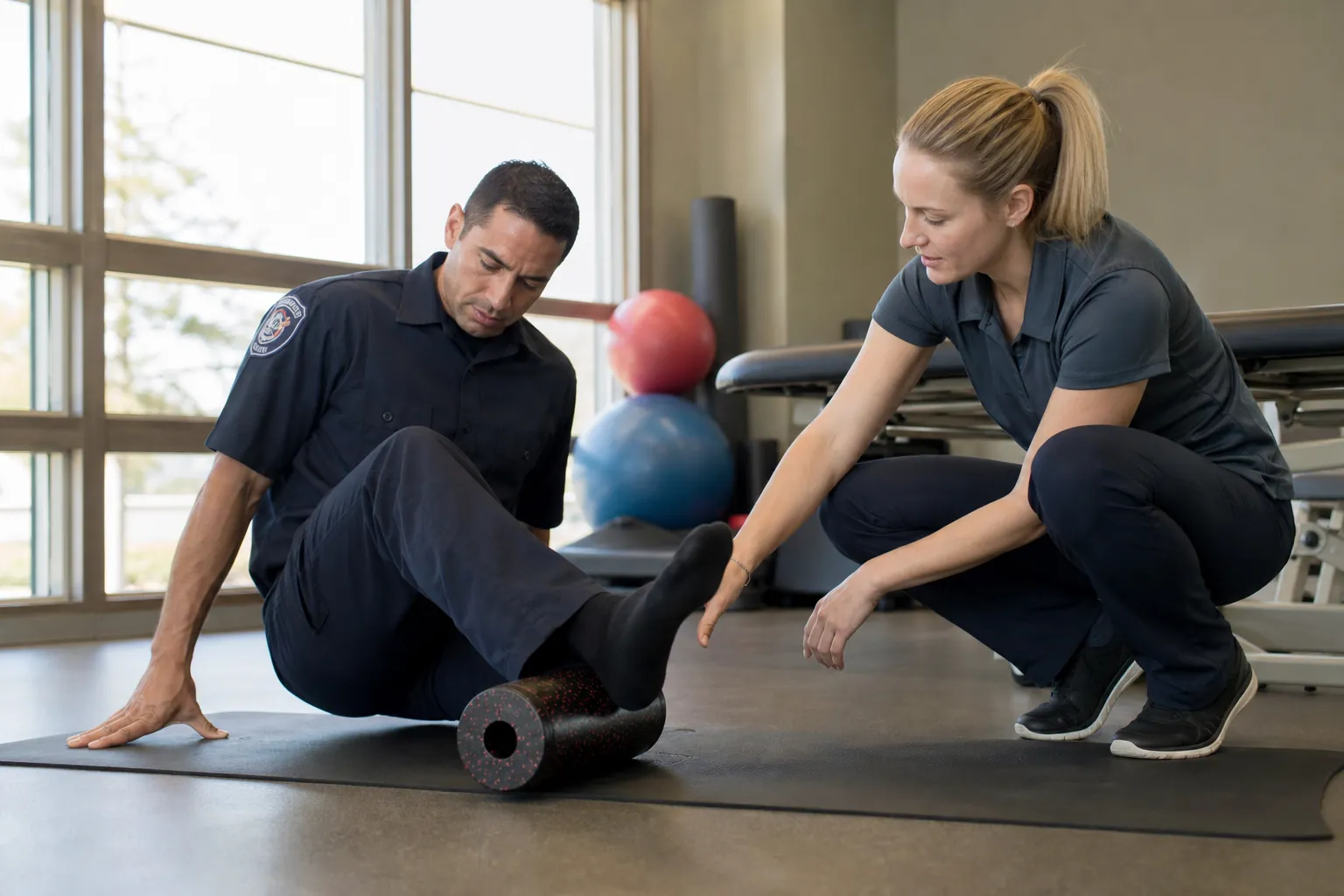
First responders routinely enter situations most people spend their lives trying to avoid. Firefighters, paramedics, emergency medical technicians, law enforcement officers, dispatchers, corrections professionals, and other public safety personnel may witness serious injury, sudden death, violence, disasters, and intense human distress. Over time, repeated exposure can affect sleep, relationships, physical health, mood, and substance use.
When alcohol or drug use becomes difficult to control, asking for help can feel complicated. Some professionals worry about confidentiality, employment consequences, loss of trust, or being misunderstood by clinicians who do not know the culture of emergency service. Specialized treatment can reduce those barriers by addressing substance use alongside trauma, chronic stress, and the realities of a high-responsibility career.
Living Longer Recovery offers a supportive setting for people seeking rehab for first responders in California. Care should never reduce a person to a diagnosis or a difficult period in life. Effective treatment recognizes the courage, identity, skills, and values that first responders bring into recovery.
Why First Responders Face Distinct Recovery Challenges
Substance use disorders can affect anyone, but first responders may encounter a particular combination of occupational risks. Irregular shifts, disrupted circadian rhythms, mandatory overtime, physical pain, and exposure to traumatic events can make healthy coping harder to maintain. A workplace culture centered on strength and self-reliance may also discourage early conversations about emotional health.
Alcohol is sometimes used to transition out of a heightened state after a shift or to make sleep feel easier. Prescription medications may initially be taken for an injury, anxiety, or insomnia before tolerance or dependence develops. Other substances may be used to increase energy, suppress distressing memories, or briefly escape emotional numbness.
Common factors that may contribute to problematic substance use include:
- Repeated exposure to injury, death, violence, or threats can keep the nervous system in a prolonged state of alert.
- Rotating schedules and overnight work can interfere with restorative sleep, nutrition, exercise, and family routines.
- Job-related injuries may lead to chronic pain or extended access to prescription medication.
- Fear of professional judgment can cause someone to hide symptoms until the consequences become more serious.
- Strong identification with the job can make medical leave, reduced duty, or temporary separation from work feel destabilizing.
- Relationship conflict may increase when irritability, withdrawal, secrecy, or unpredictable behavior becomes frequent.
These factors do not mean substance misuse is inevitable. They do show why generic advice to simply stop drinking or using drugs is rarely enough. Recovery often requires a coordinated plan that addresses the underlying function of substance use and builds practical alternatives.

Signs It May Be Time To Consider Treatment
A person does not need to lose a job, experience an arrest, or reach a crisis before seeking help. Early treatment can prevent consequences from escalating. The most useful question is not whether someone appears functional from the outside. It is whether substance use is becoming harder to control or is interfering with health, judgment, relationships, or professional responsibilities.
Signs that an assessment may be appropriate include:
- You need larger amounts of alcohol or drugs to experience the same effect.
- You have tried to cut down but returned to use sooner or more heavily than intended.
- You rely on substances to sleep, calm down, feel normal, or get through a shift cycle.
- You experience sweating, shaking, nausea, anxiety, agitation, or insomnia when you stop.
- You hide how much you use, dispose of evidence, or avoid honest conversations about it.
- Your family, colleagues, physician, or supervisor has expressed concern about changes in your behavior.
- You continue using despite injuries, health problems, conflict, financial strain, or work-related consequences.
- You feel detached, hopeless, hypervigilant, angry, or emotionally numb and use substances to manage those feelings.
Withdrawal from alcohol, benzodiazepines, and some other substances can be dangerous. A person who expects withdrawal symptoms should obtain medical guidance rather than attempting to stop abruptly without support. If there is an immediate danger, suspected overdose, severe withdrawal, or risk of self-harm, call 911 or go to the nearest emergency department.
What Specialized Treatment Can Address
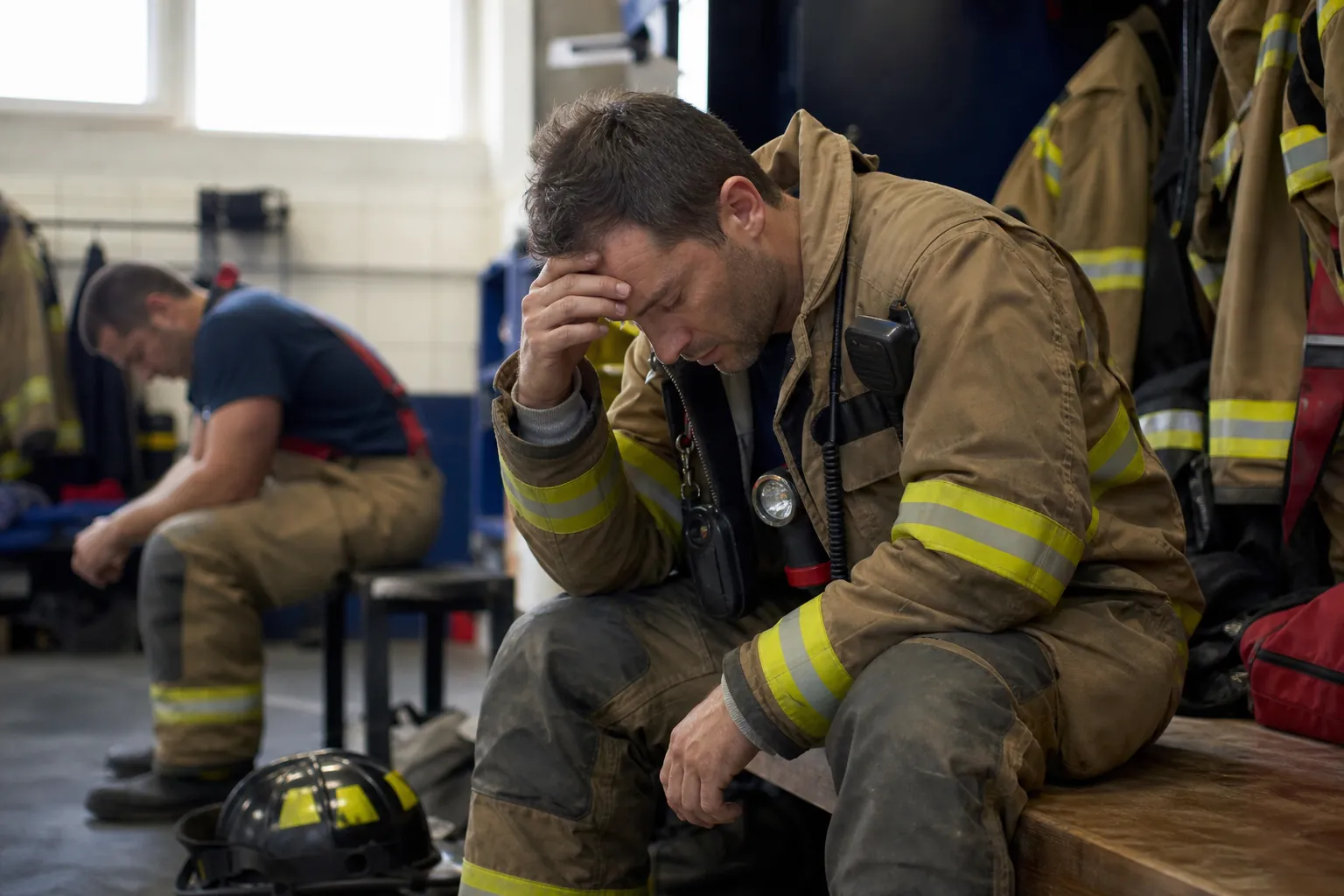
First responder treatment should account for both substance use and the conditions surrounding it. Trauma symptoms, depression, anxiety, grief, moral injury, insomnia, chronic pain, and relationship strain may interact with addiction. Treating only one part of that picture can leave important relapse risks unresolved.
A comprehensive clinical assessment helps identify the appropriate level of care. It may review substance use history, withdrawal risk, physical health, medication, sleep, trauma exposure, psychiatric symptoms, family circumstances, legal concerns, and previous treatment. The assessment should guide an individualized plan rather than force every person through the same process.
Trauma-informed therapy
Trauma-informed care emphasizes emotional and physical safety, transparency, collaboration, and personal choice. It recognizes that certain sounds, environments, questions, or power dynamics may activate a stress response. Clinicians can help clients understand how the brain and body respond to repeated danger without treating normal survival responses as personal failures.
Trauma work does not require a person to immediately recount every distressing event. Stabilization often comes first. Early skills may include grounding, emotional regulation, distress tolerance, sleep support, and recognizing triggers. When clinically appropriate, structured therapies can help a person process traumatic experiences at a manageable pace.
Substance use counseling
Individual and group counseling can explore patterns of use, triggers, cravings, consequences, and motivation for change. Cognitive behavioral approaches may help clients recognize automatic thoughts and practice more effective responses. Relapse prevention work prepares people for high-risk situations instead of relying on willpower alone.
Co-occurring mental health support
Depression, anxiety, post-traumatic stress symptoms, and substance use can reinforce each other. Integrated care allows clinicians to consider these concerns together. When medication is appropriate, medical professionals can discuss benefits, side effects, interactions, and options that align with the person's recovery plan.
Peer connection
Many first responders feel more comfortable speaking with people who understand emergency service culture. Thoughtfully facilitated peer support can reduce isolation and shame. It can also create space for honest conversations about critical incidents, shift work, leadership expectations, and returning to duty. Peer support complements clinical treatment but does not replace qualified medical or behavioral health care.
Levels Of Care Available In Addiction Recovery
The right level of care depends on medical stability, substance use severity, living environment, mental health needs, and previous recovery attempts. Location alone should not determine treatment intensity. A professional evaluation can help match the person with sufficient support while preserving independence when safe.
Detoxification and withdrawal support
Detox is the process of allowing substances to leave the body while symptoms are monitored and managed. Medical support may be necessary when withdrawal could be severe or unpredictable. Detox by itself is not complete addiction treatment. It is often the first stage before therapeutic work begins.
Residential treatment
Residential care provides a structured living environment away from daily triggers. It may be useful for people who need stabilization, a consistent routine, or separation from easy access to substances. Daily programming can include individual therapy, groups, education, wellness activities, and discharge planning.
Partial hospitalization and intensive outpatient care
These programs provide more frequent services than standard outpatient treatment while allowing clients to live at home or in supportive housing. They may be suitable for people who are medically stable but still need substantial structure. Scheduling and transportation should be considered, especially for clients traveling within California.
Standard outpatient treatment
Outpatient care may involve weekly or periodic counseling, medication management, recovery groups, and case coordination. It can serve as a starting point for people with lower clinical acuity or as a step down after more intensive treatment.
Movement between levels of care is common. Stepping down gradually can help a person practice recovery skills while maintaining meaningful clinical and peer support.
Confidentiality, Employment, And Career Concerns
Career concerns are among the biggest obstacles to seeking treatment. First responders may worry that requesting help will automatically end a career, affect certification, jeopardize a security clearance, or become common knowledge at work. These questions deserve careful, fact-specific answers.
Healthcare privacy rules generally protect treatment information, but confidentiality has limits and may be affected by signed releases, court orders, safety issues, insurance processes, employer requirements, or licensing regulations. Policies can differ among agencies, unions, benefit plans, and professional boards. A treatment provider should explain its privacy practices and identify what information is requested before asking a client to sign any release.
Before admission, useful questions include:
- Who will know that I contacted the program, and how are inquiries documented?
- What information is shared when insurance benefits are verified or claims are submitted?
- Can I limit a release of information by purpose, recipient, and time period?
- How does the program handle communication with an employee assistance program, union, department, or family member?
- What documentation may be provided for medical leave, disability benefits, or return-to-work planning?
- Does the program understand the occupational culture and privacy concerns of public safety professionals?
Some people use private payment to reduce insurance-related disclosures, although that option may not be financially practical. Others coordinate care through insurance, an employee assistance program, a union resource, or a peer support team. An admissions conversation can clarify choices without assuming that one route is right for everyone.
Treatment providers cannot promise a specific employment or licensing outcome. If professional consequences are possible, it may be helpful to consult a union representative, qualified employment attorney, licensing specialist, or other appropriate advisor before making decisions about disclosure.
Building Recovery Skills For Life After Treatment
Recovery becomes more durable when it fits real life. For a first responder, that means preparing for shift changes, adrenaline spikes, traumatic calls, workplace humor, pain flare-ups, sleep disruption, and social events where alcohol is prominent. A discharge plan should be specific enough to use during a stressful week, not merely a list of good intentions.
A practical continuing-care plan may include:
- Scheduled therapy and medical appointments are arranged before discharge so there is no gap in care.
- A written response plan identifies early warning signs, trusted contacts, and actions to take when cravings increase.
- Sleep strategies account for overnight shifts, light exposure, caffeine use, and the transition between work and home.
- Healthy decompression activities replace the habit of using alcohol or drugs immediately after a difficult shift.
- Peer meetings or recovery groups are selected for accessibility, safety, and personal fit.
- Medication plans are reviewed with qualified clinicians, particularly when pain, anxiety, or insomnia is present.
- Return-to-work decisions are coordinated with appropriate professionals and based on stability rather than pressure.
- Family members understand how to provide support without monitoring, rescuing, or ignoring harmful behavior.
Relapse prevention should also address seemingly positive emotions. Celebrations, promotions, reunions, and the relief of completing treatment can create risk if they are linked with old patterns. Planning for both distress and excitement gives recovery a stronger foundation.
How Families And Colleagues Can Help
Family members often carry their own fear, anger, exhaustion, and confusion. They may have covered responsibilities, managed unpredictable behavior, or worried each time the phone rang. Their needs matter, even while the person in treatment receives focused care.
Support does not mean shielding someone from every consequence. It can mean speaking calmly about observable behavior, setting consistent boundaries, and offering help with treatment logistics. Statements such as “I am concerned because you are drinking after every shift and missing family commitments” are often more useful than labels or arguments about character.
Colleagues and peer supporters can help by avoiding gossip, focusing on safety, and sharing credible treatment resources. They should not attempt to manage dangerous withdrawal or provide therapy beyond their training. If immediate safety is at risk, emergency services are appropriate.
Family education or therapy may help loved ones understand addiction, trauma responses, communication patterns, and relapse warning signs. The goal is not to assign blame. It is to create healthier interactions and realistic expectations as recovery develops.
Choosing A California Program
California offers many treatment options, which can make comparison difficult. A polished website does not establish clinical quality. Prospective clients should ask direct questions about licensing, staff credentials, assessment practices, emergency procedures, trauma training, and continuing care.
Consider whether a program:
- Provides an individualized assessment before recommending a level of care.
- Uses licensed or appropriately credentialed professionals for clinical and medical services.
- Can address co-occurring trauma, anxiety, depression, grief, and sleep concerns.
- Explains privacy practices, costs, insurance billing, and financial responsibilities clearly.
- Offers a respectful environment that understands first responder culture without stereotyping clients.
- Develops continuing-care plans based on the person's home community, schedule, and support network.
- Coordinates with outside physicians or other professionals when the client authorizes communication.
- Avoids guarantees about cures, career outcomes, or a specific length of recovery.
Location also matters. Some people benefit from remaining close to family, while others need distance from occupational reminders and easy access to substances. California's size means that travel time, climate, transportation, and family participation may affect the practical fit of a program.
Taking The Next Step With Living Longer Recovery
Reaching out does not commit someone to treatment. An initial conversation can be used to describe current concerns, ask about available services, discuss privacy, and learn what an assessment may involve. If a different level of care is needed, the priority should be helping the person identify an appropriate option.
Living Longer Recovery approaches substance use treatment with respect for the person behind the uniform. Recovery can involve restoring sleep, rebuilding trust, processing difficult experiences, improving physical health, and creating ways to respond to stress without alcohol or drugs. Progress is often gradual, but it can begin with one honest conversation.
If you are a first responder, family member, or concerned colleague seeking guidance in California, call Living Longer Recovery at (747) 232-9694. The team can answer questions calmly and help you consider a suitable next step based on the situation.
Call (747) 232-9694 to talk through next steps.