
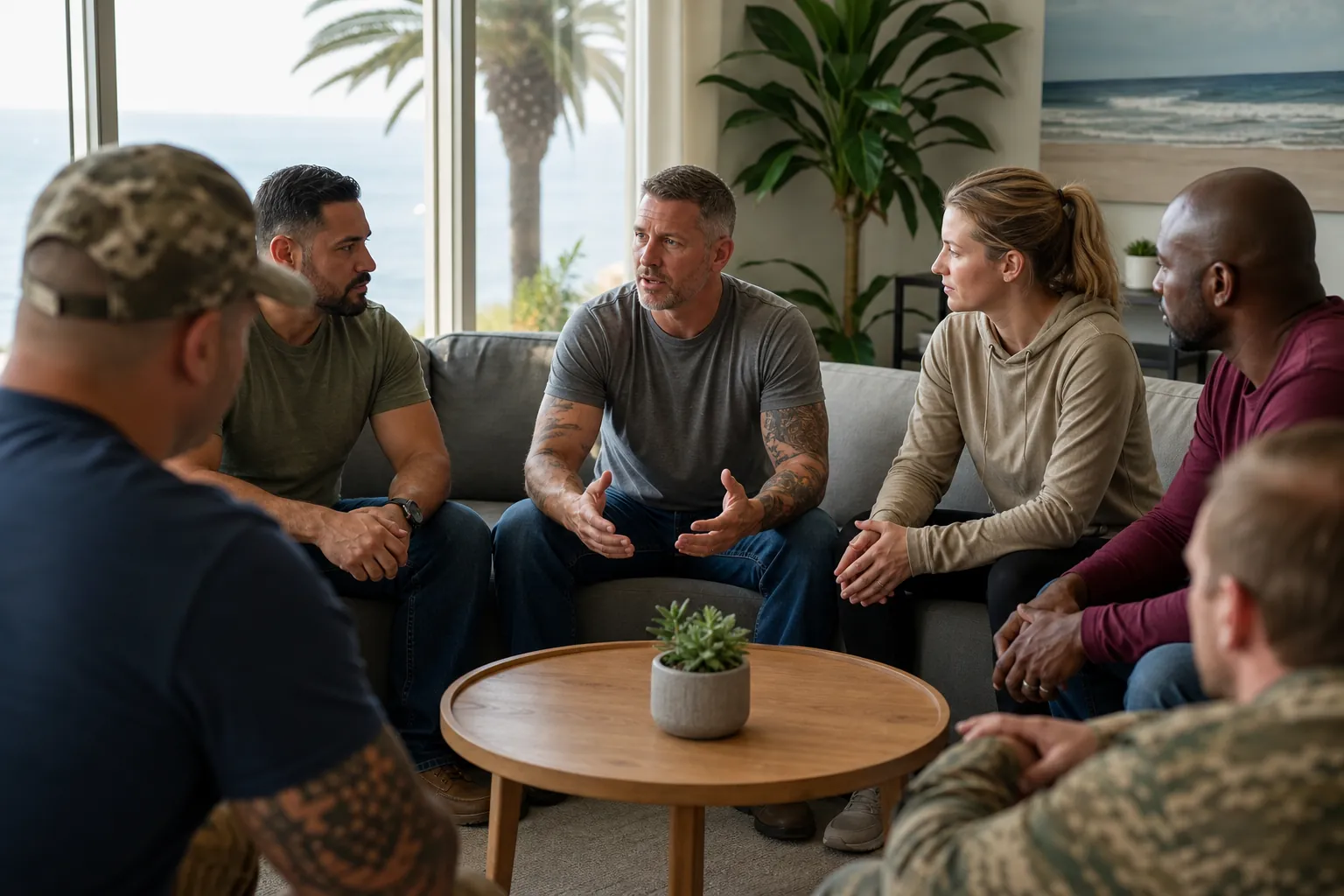
Military service can shape how a person responds to stress, relationships, pain, and major life transitions. For some veterans, alcohol or drug use becomes a way to manage combat memories, sleep problems, injuries, anxiety, depression, or the loss of structure after leaving active duty. When substance use begins to affect health, work, family, or safety, specialized support can help.
Finding rehab for military veterans in California is not simply about choosing the nearest treatment center. Veterans may benefit from a program that understands military culture, screens for co-occurring mental health concerns, and builds a practical plan for returning home. Living Longer Recovery helps veterans and their families consider treatment options with dignity, clarity, and respect.
Recovery is possible at any stage of life. A veteran does not need to wait until every part of life has fallen apart before asking for help. Early treatment may prevent additional medical, legal, financial, and relationship consequences.
Why Veterans May Need Specialized Addiction Treatment
Veterans can experience many of the same substance use risks as civilians, but service-related experiences may add distinct challenges. Deployments, exposure to danger, separation from family, chronic pain, moral injury, military sexual trauma, and the transition to civilian life can all affect well-being.
Alcohol or drugs may initially seem to reduce distress. A drink might make it easier to fall asleep, while opioids may provide temporary relief from an injury. Over time, tolerance can develop, meaning more of the substance is needed to produce the same effect. Attempts to cut back can then cause withdrawal, cravings, or a return of difficult memories and emotions.
Veteran-informed treatment recognizes that substance use may have served a purpose, even when it now causes harm. This perspective is not an excuse for destructive behavior. It is a compassionate starting point for identifying safer coping strategies and treating underlying conditions.
A thorough assessment should consider factors such as:
- The veteran’s current pattern of alcohol, prescription medication, or illicit drug use.
- Past attempts to stop using and any history of withdrawal or overdose.
- Symptoms of post-traumatic stress disorder, depression, anxiety, or traumatic brain injury.
- Chronic pain, sleep disorders, mobility concerns, and other medical needs.
- Suicidal thoughts, impulsive behavior, access to weapons, and immediate safety risks.
- Family relationships, housing stability, employment, finances, and legal obligations.
- Military experiences and whether the veteran feels comfortable discussing them.
This information helps clinicians recommend an appropriate level of care rather than placing every veteran into the same type of program.

Signs That It May Be Time To Seek Help
Substance use disorders do not always look dramatic from the outside. A veteran may maintain employment, attend family events, or meet daily responsibilities while privately struggling with cravings, withdrawal, or emotional distress. High functioning does not mean that treatment is unnecessary.
Common reasons to request an evaluation include:
- Drinking or using more than intended and being unable to cut down consistently.
- Needing alcohol, sedatives, or other substances to sleep or quiet intrusive thoughts.
- Taking prescription medication differently from the prescribed directions.
- Experiencing blackouts, overdose, accidents, falls, or risky driving.
- Withdrawing from family, friends, work, hobbies, or veteran communities.
- Feeling irritable, shaky, nauseated, anxious, or unwell when substance use stops.
- Combining alcohol with opioids, benzodiazepines, or other medications.
- Noticing worsening depression, panic, nightmares, anger, or thoughts of self-harm.
Alcohol and sedative withdrawal can be medically dangerous, and opioid use carries a serious overdose risk. A veteran who may be physically dependent should seek medical guidance rather than abruptly stopping alone. If someone is unresponsive, has slowed breathing, appears blue or gray around the lips, or cannot be awakened, call 911 immediately. If there is an urgent mental health or suicide crisis, call or text 988 and press 1 to reach the Veterans Crisis Line.
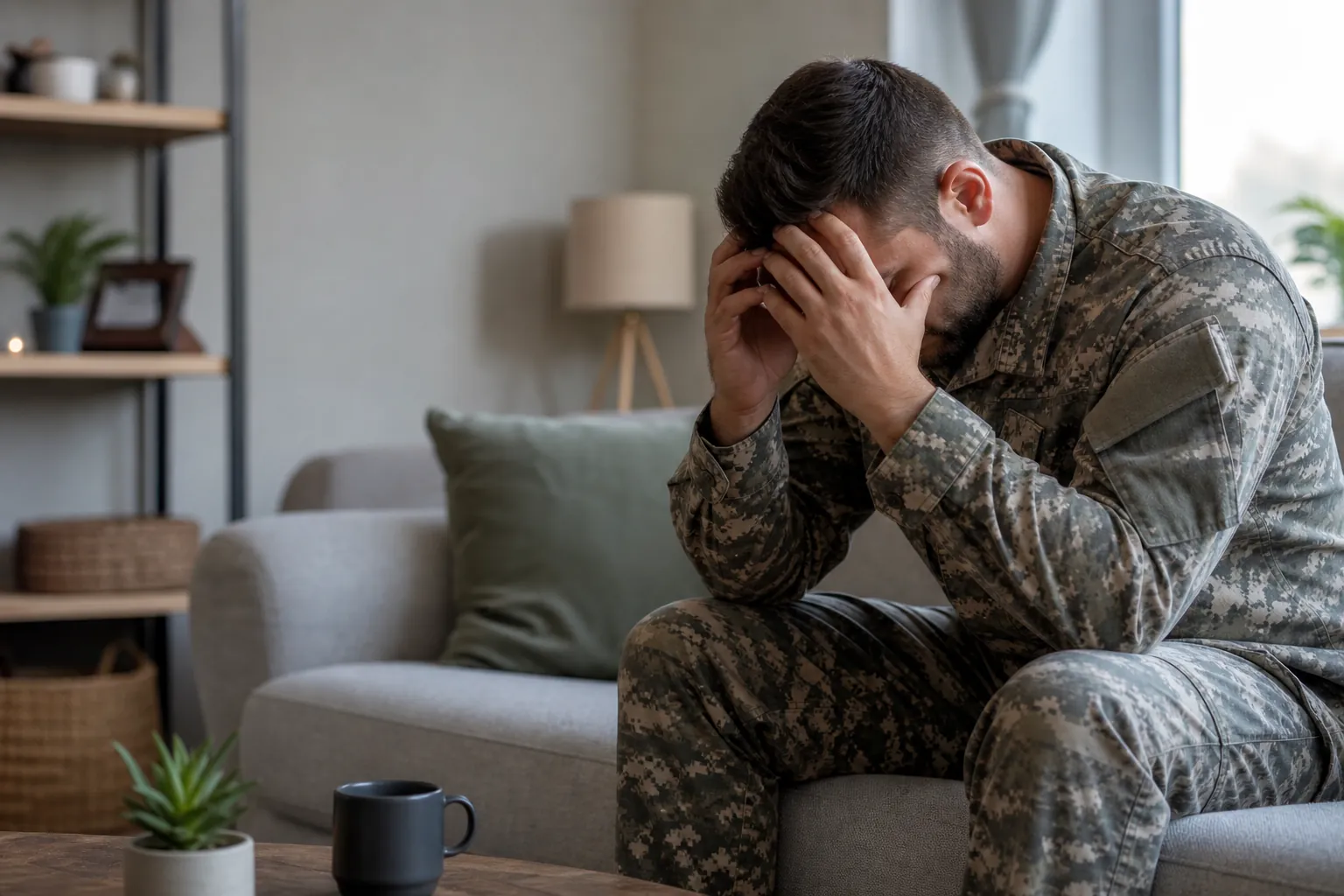
Levels Of Care Available In California
Addiction treatment exists on a continuum. The right setting depends on substance use severity, withdrawal risk, mental and physical health, the safety of the home environment, and the support available outside treatment. A clinical assessment can help match these needs to an appropriate program.
Medical detoxification
Detox provides monitoring and treatment during withdrawal. Medical professionals may check vital signs, manage symptoms, address hydration and nutrition, and prescribe medications when appropriate. Detox is often an important first step, but it is not a complete recovery program by itself. Continuing into structured treatment can help address the reasons substance use developed and reduce the risk of rapid relapse.
Residential treatment
Residential care allows clients to live in a supervised, substance-free environment while participating in therapy and recovery activities. This setting may be useful for veterans who need separation from triggers, lack stable housing, have significant co-occurring symptoms, or have not improved with less intensive care.
A typical schedule may include individual counseling, group sessions, education about addiction, wellness activities, medication appointments, and discharge planning. Program length varies according to clinical needs, benefits, progress, and the provider’s model.
Partial hospitalization and intensive outpatient care
A partial hospitalization program, often called PHP, provides frequent treatment while allowing the client to live elsewhere. An intensive outpatient program, or IOP, generally offers fewer weekly hours but remains more structured than standard outpatient counseling.
These programs may serve as an entry point for veterans with a safe and supportive living situation. They may also help someone transition gradually from residential care to everyday life.
Standard outpatient treatment
Outpatient care can include weekly therapy, medication management, peer support, and recovery monitoring. It may fit veterans with lower clinical risk or those who have completed a more intensive program. Appointments can sometimes be coordinated around work, school, caregiving, or medical care.
Sober living and continuing care
Recovery housing offers a substance-free living environment with rules, accountability, and peer support. It is not the same as licensed clinical treatment, so residents may attend outpatient services elsewhere. Continuing care can also include alumni meetings, mutual-help groups, individual counseling, family sessions, and regular check-ins with medical providers.
Treating PTSD, Pain, And Other Co-Occurring Conditions
Veterans with a substance use disorder may also live with PTSD, depression, anxiety, chronic pain, insomnia, grief, or traumatic brain injury. Treating only the substance use can leave powerful triggers unaddressed. Likewise, mental health therapy may be less effective if ongoing intoxication or withdrawal disrupts sleep, memory, attendance, and emotional regulation.
Integrated care addresses substance use and mental health together. Depending on the veteran’s needs, treatment may include cognitive behavioral therapy, motivational interviewing, relapse prevention, medication management, and therapies designed for trauma-related symptoms.
Trauma-informed care does not require a veteran to disclose every painful experience immediately. It emphasizes safety, trust, choice, collaboration, and respect. Clinicians should explain why questions are being asked, avoid unnecessary confrontation, and allow treatment to progress at a manageable pace.
Evidence-based trauma therapy may be introduced once a veteran has enough stability and coping capacity. The timing should be individualized. Avoiding trauma forever can limit recovery, but pushing detailed trauma processing too soon may feel overwhelming.
Chronic pain also deserves coordinated attention. A treatment plan may involve medical evaluation, physical therapy, appropriate non-opioid medications, movement, pacing strategies, sleep care, and behavioral approaches to pain. Veterans should not change prescribed medications without consulting a qualified prescriber.
Therapies And Recovery Supports That Can Help
No single therapy works for every veteran. Effective programs use assessment findings to create an individualized plan and revise that plan as needs change. Treatment should also account for learning style, physical limitations, cultural background, family circumstances, and personal goals.
Useful services may include:
- Individual therapy gives veterans a private setting to explore triggers, beliefs, grief, shame, and recovery goals.
- Group therapy provides skills practice, feedback, accountability, and connection with people facing similar challenges.
- Family therapy helps loved ones improve communication, establish boundaries, and prepare for the return home.
- Medication for addiction treatment can reduce opioid cravings, support abstinence, or help prevent relapse when clinically appropriate.
- Peer support offers connection with other veterans or people in recovery who understand the value of shared experience.
- Life-skills and vocational support can address routines, education, employment, budgeting, transportation, and community reintegration.
- Wellness services can support sleep, stress management, nutrition, physical activity, and healthy recreation.
Some veterans prefer groups reserved for former service members, while others are comfortable in mixed groups. It can be helpful to ask whether a program has staff with military cultural competence, veteran-specific programming, or established referral relationships with veteran resources.
Paying For Veteran-Focused Rehab
Cost is an understandable concern, but it should not prevent a veteran or family from asking questions. Payment options vary by facility and may include private insurance, employer-sponsored plans, self-payment, financing, or other arrangements. Coverage often depends on medical necessity, network status, deductibles, copayments, and authorization requirements.
Eligible veterans may also receive substance use and mental health services through the U.S. Department of Veterans Affairs. Availability, eligibility, referral procedures, and community care rules can vary. A veteran can contact the VA directly to learn which services and providers are authorized.
Before entering a California rehab program, ask for clear answers to these questions:
- Is the facility licensed to provide the recommended level of care?
- Is the provider in network with the veteran’s insurance plan?
- Which services require prior authorization or a clinical review?
- What deductible, copayment, coinsurance, or noncovered charges may apply?
- Are medications, laboratory work, physician visits, and outside appointments included?
- Does the quoted cost include the full expected stay or only a portion of treatment?
- What happens if the insurer approves fewer days than the clinical team recommends?
- Is VA authorization required before using community-based services?
Insurance verification is not a guarantee of payment. Request written information when possible and confirm benefits with the insurer or authorized VA representative. Transparent programs should explain expected costs without pressuring a family to make an immediate financial commitment.
How To Evaluate A California Treatment Program
California offers many treatment options, and attractive surroundings alone do not establish quality. Focus on clinical capability, safety, staffing, and continuity of care. A reputable provider should conduct an assessment before promising a specific outcome or recommending a fixed length of stay.
Consider asking the admissions team:
- How does the program assess withdrawal, suicide, overdose, and medical risks?
- Are licensed clinicians available to treat PTSD and other co-occurring conditions?
- What training does the team have in military culture and trauma-informed care?
- How often will the veteran receive individual therapy and medical appointments?
- Does the facility offer or coordinate medications for opioid or alcohol use disorder?
- How are family members involved when the veteran provides consent?
- What support is available for mobility limitations, chronic pain, or dietary needs?
- How does the program respond to relapse, conflict, or a mental health crisis?
- What does discharge planning include, and when does that planning begin?
Be cautious of guaranteed cures, vague descriptions of therapy, pressure to travel immediately, or reluctance to discuss licensure and credentials. Recovery outcomes depend on many factors, and ethical providers do not promise that treatment will permanently eliminate relapse risk.
Preparing For Admission And The First Days Of Care
Once a veteran chooses a program, preparation can reduce uncertainty. Admissions staff should explain arrival times, transportation, approved belongings, medication policies, communication rules, and documents to bring.
Helpful items may include identification, insurance information, VA documentation when relevant, a current medication list, prescriber contact information, and basic clothing that follows facility guidelines. All medications should remain in their original labeled containers unless the program provides different instructions.
The first days often include medical and psychosocial assessments, orientation, safety planning, and the development of initial goals. It is normal to feel ambivalent, guarded, or homesick. Veterans accustomed to competence and self-reliance may find it difficult to accept help. Participating honestly in the assessment allows the team to respond more effectively.
Family members can help by sharing accurate information, avoiding arguments during admission, and supporting the treatment plan. With the veteran’s written permission, the clinical team may provide updates and invite loved ones into family education or therapy. Privacy laws may limit what staff can disclose without consent.
Planning For Life After Rehab
Discharge is a transition, not the end of treatment. Returning to familiar stressors without a plan can increase relapse risk. Effective aftercare begins early and connects the veteran with services near home or through secure telehealth when appropriate.
A practical continuing-care plan may include:
- Scheduled appointments with an outpatient therapist, prescriber, and primary care professional.
- A plan for continuing medication without gaps in prescriptions or follow-up visits.
- Veteran peer groups, recovery meetings, or other community support selected by the client.
- Strategies for managing anniversaries, nightmares, pain flares, conflict, loneliness, and cravings.
- Safe housing and clear boundaries around alcohol, drugs, and potentially triggering visitors.
- Naloxone access and overdose-response education when opioid risk is present.
- A written crisis plan with contacts for urgent mental health or substance use concerns.
- Meaningful routines involving family, work, volunteering, education, recreation, or spiritual life.
Relapse can be dangerous, especially after a period of abstinence lowers tolerance. It should be treated as a signal to seek help quickly, reassess the plan, and consider a different level of care. It does not erase the progress already made.
Taking The Next Step With Living Longer Recovery
Asking for help can feel especially difficult for someone trained to endure discomfort and protect others. Treatment offers a different form of strength: the willingness to address substance use, trauma, health, and relationships with appropriate support.
Living Longer Recovery can discuss current concerns, explain possible levels of care, and help determine whether its services align with the veteran’s clinical needs. The conversation can also cover admission considerations, insurance questions, and the information needed for an assessment. Recommendations depend on individual circumstances, and emergency situations require immediate crisis or medical services.
For a calm, confidential conversation about rehab for military veterans in California, call Living Longer Recovery at (747) 232-9694. A veteran, spouse, family member, or trusted supporter can make the initial call. Reaching out does not commit anyone to treatment. It simply creates an opportunity to understand the available next steps.
Call (747) 232-9694 to talk through next steps.