Rehab support for people living with chronic pain in California

Living with chronic pain can affect sleep, mood, movement, relationships, and daily routines. When alcohol, prescription medications, or other substances become part of an attempt to cope, it may be difficult to know where pain ends and dependence begins. The right treatment setting recognizes that both concerns deserve careful attention.
For people searching for rehab with chronic pain California resources, an integrated approach can provide structure without dismissing real physical symptoms. Living Longer Recovery supports adults in exploring recovery strategies that account for pain, substance use patterns, emotional health, and quality of life.
Why chronic pain and substance use often overlap
Chronic pain may continue for months or years, sometimes after an injury has healed or without a single clear cause. Conditions involving the back, joints, nerves, migraines, or widespread pain can create ongoing physical and emotional strain. A person may begin using substances to sleep, relax, function at work, or experience temporary relief.
Over time, tolerance can develop. This means a substance may produce less of the desired effect, leading someone to take more or use it more frequently. Physical dependence may also occur, particularly with opioids, benzodiazepines, or alcohol. Dependence is not the same as addiction, but stopping suddenly can cause withdrawal and may be medically unsafe.
Addiction involves patterns such as loss of control, continued use despite harm, cravings, or difficulty meeting responsibilities. These patterns can occur alongside legitimate pain. Effective care does not require a person to prove that pain is real before receiving help for substance use.
What integrated treatment can address
Rehabilitation for someone with chronic pain should look beyond abstinence alone. Treatment planning may consider how pain affects mobility, stress, confidence, employment, and family life. It can also identify situations in which discomfort or fear of discomfort increases the urge to use substances.
A thoughtful assessment typically reviews substance use history, current prescriptions, previous withdrawal experiences, mental health symptoms, medical conditions, and pain-related limitations. With appropriate consent, coordination with outside physicians or specialists may help create a more consistent plan.
Depending on clinical needs and the services available, an integrated plan may include:
- Individual counseling focused on cravings, coping patterns, and realistic recovery goals
- Education about tolerance, dependence, withdrawal, relapse risk, and medication safety
- Behavioral skills for responding to pain flare-ups without automatically returning to substance use
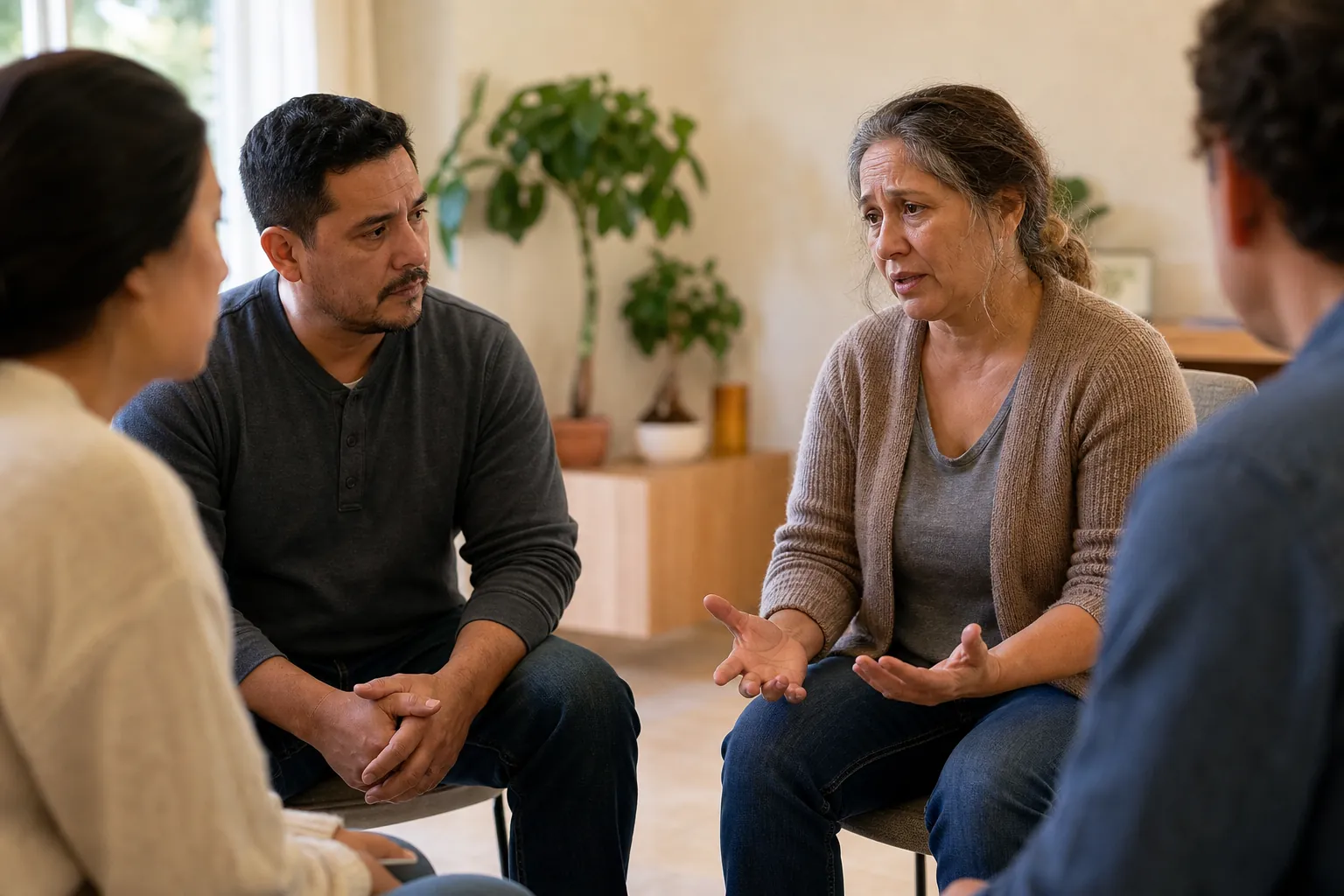
- Group support that reduces isolation and helps participants practice healthy communication
- Screening for anxiety, depression, trauma, sleep problems, and other co-occurring concerns
- Relapse prevention planning that identifies pain-specific triggers and early warning signs
- Coordination with medical providers when additional pain evaluation or medication management is needed
- Gentle wellness routines, when clinically appropriate, that support sleep, stress regulation, and daily functioning
- Family education to encourage helpful boundaries without minimizing pain or enabling substance use
No single strategy works for everyone. Some people need highly structured care, while others may be appropriate for an outpatient level of support. Recommendations should reflect safety, withdrawal risk, home stability, medical complexity, and the severity of the substance use disorder.

Managing pain without promising a pain-free life
Recovery does not always mean eliminating every painful sensation. A more practical goal may be improving function, reducing harmful substance use, and building several ways to respond when symptoms intensify. This approach can reduce the pressure to find one immediate solution for every flare-up.
Behavioral tools may include paced activity, relaxation exercises, mindfulness, cognitive restructuring, and planning for difficult days. These strategies do not suggest that pain is imaginary. Instead, they address the ways stress, fear, disrupted sleep, and avoidance can amplify suffering or narrow a person's options.
Medication decisions should be made with qualified medical professionals. Depending on the substance involved, withdrawal history, and current health, a person may need medical evaluation or supervised detoxification before participating fully in rehabilitation. Treatment teams should never encourage abrupt medication changes without appropriate medical guidance.
Choosing an appropriate California rehab program
California offers many treatment options, but not every program is prepared to work with chronic pain. Before enrolling, ask direct questions about how the center assesses pain, communicates with outside providers, and responds when symptoms worsen. Clear answers can help distinguish individualized care from a standard program that may not fit complex needs.
Useful questions include whether the program can accommodate mobility limitations, how it manages prescribed medications, and what happens if medical symptoms require outside attention. It is also important to ask about co-occurring mental health treatment, family involvement, discharge planning, and continuing care.
Be cautious of any provider that guarantees a cure for addiction or chronic pain. Recovery outcomes depend on many factors, and ethical programs explain both their capabilities and their limitations. They should also clarify costs, insurance verification, program rules, and what services are included before admission.
Preparing for admission and early recovery
Before starting treatment, prepare an accurate list of medications, dosages, prescribing providers, allergies, medical diagnoses, and recent procedures. Do not hide prescribed or nonprescribed substance use. Complete information allows clinicians to identify interactions, withdrawal concerns, and other safety issues.
Early recovery can bring changes in sleep, mood, and pain perception. Some people notice discomfort more strongly when they are no longer using a substance to numb it. Others discover that certain symptoms improve as sleep, nutrition, and daily routines become more stable. Progress is rarely linear, so plans should be reviewed and adjusted rather than treated as fixed.
Aftercare is especially important when chronic pain remains present. Ongoing counseling, peer support, medical follow-up, and a written response plan for flare-ups can help protect recovery. The plan should identify who to contact, which coping tools to try, and how to handle new prescriptions safely.
Take a considered next step
Seeking treatment while managing chronic pain can feel complicated, but you do not have to sort through every decision alone. A confidential conversation can help clarify current concerns, potential levels of care, and questions to ask your healthcare providers.
To learn more about support at Living Longer Recovery, call (747) 232-9694. The team can discuss your situation calmly and help you consider an appropriate next step in California.
Call (747) 232-9694 to talk through next steps.