
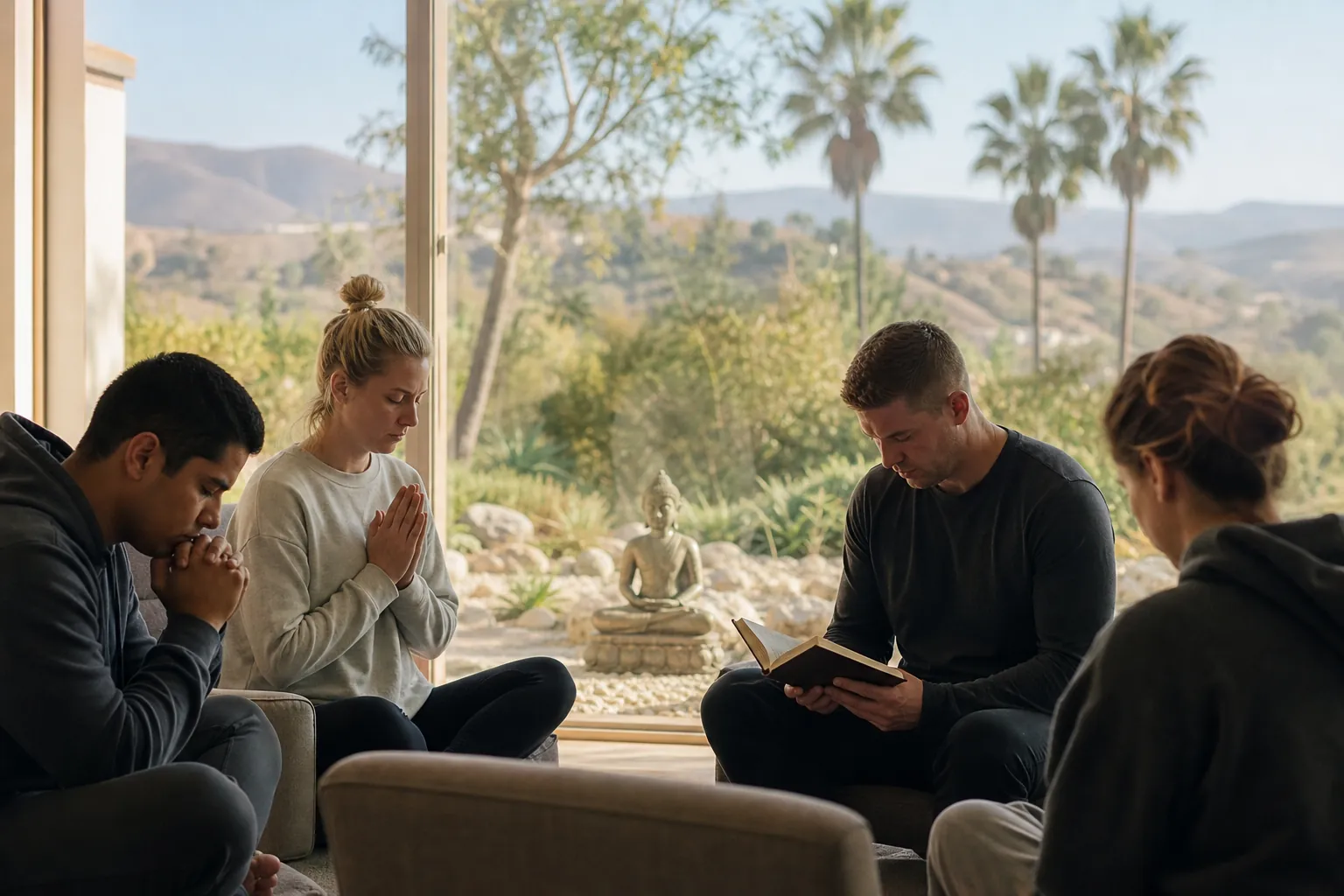
Entering residential treatment can raise questions that go beyond withdrawal, therapy, and time away from home. If faith shapes your daily life, you may wonder whether you can pray at certain times, follow religious dietary practices, observe a holiday, or speak with a spiritual leader. These concerns deserve practical answers before admission whenever possible.
Religious observance during residential rehab is often a matter of careful coordination. A treatment setting has scheduled activities, shared spaces, clinical responsibilities, and safety rules. Your religious practices may fit within that structure, but some may require advance planning or temporary adjustments. The goal is to identify workable options without asking you to choose between seeking care and explaining what matters to you.
For people considering treatment in California, this guide explains what to ask, how to prepare, and when to involve your clinical team. Living Longer Recovery can be contacted at (747) 232-9694 to discuss your needs and ask about current program policies. Specific accommodations should be confirmed directly rather than assumed.
What Religious Observance Can Include In Residential Treatment
Religious observance is not limited to attending a weekly service. It may include daily prayer, meditation, scripture study, religious clothing, dietary requirements, rest on designated days, or participation in seasonal celebrations. Some people also need access to sacred objects, ritual washing, or guidance from clergy.
Your practices may differ from those of another person in the same tradition. Describe what you personally observe, how often, and what flexibility exists. A specific request gives staff more useful information than a general statement that you need religious accommodations.
For example, needing ten minutes of private prayer at a predictable time is different from requesting transportation to an off-site service. Both deserve discussion, but they involve different scheduling, supervision, and staffing considerations.
- Explain whether a practice happens daily, weekly, or only on particular dates.
- Identify any required timing, food preparation, clothing, objects, or privacy needs.
- Clarify which elements are essential and which alternatives your tradition permits.
- Tell staff whether you would like help contacting a religious leader for guidance.
You do not need to present yourself as a religious expert. If you are uncertain about a requirement, say so. It is reasonable to ask for time to consult someone you trust before agreeing to an alternative.
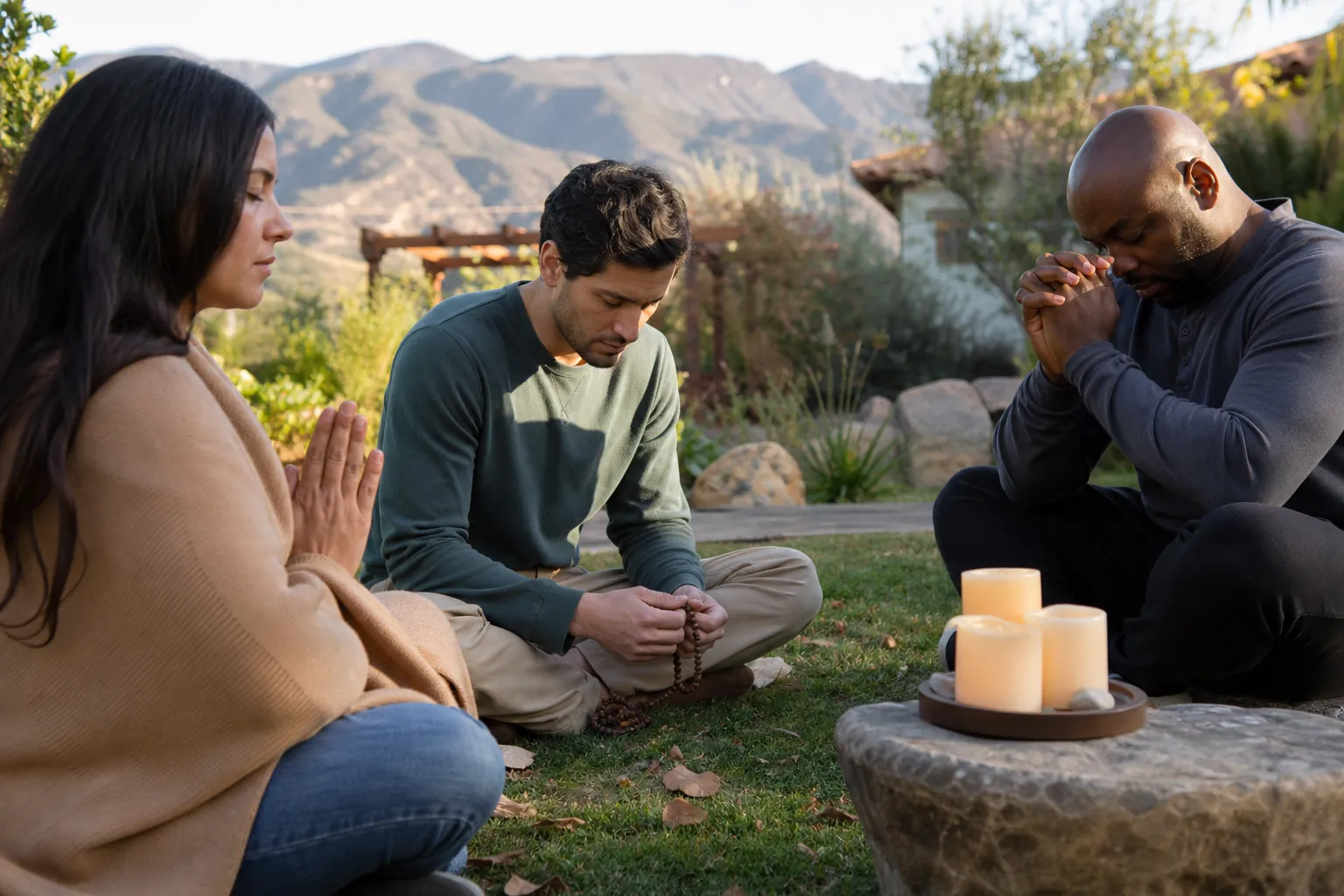
Questions To Ask Before You Choose A California Program
Religious inclusion can look different across residential programs in California. A center's general statement that it welcomes all backgrounds does not answer every operational question. Ask how requests are handled, who approves them, and whether any limitations apply during withdrawal management or early stabilization.
It can help to write your questions down before a call. If admission is urgent, prioritize practices that affect the first few days, such as meals, medication timing, prayer, and items you intend to bring.
- Ask whether residents can have private prayer time and how it fits around required treatment activities.
- Ask what religious dietary requests the kitchen can support, including any certification or preparation requirements.
- Ask whether clergy visits, telephone calls, or video meetings are allowed and under what conditions.
- Ask whether religious garments, books, and ritual objects are permitted under the belongings policy.
- Ask how Sabbath observance, holidays, and fasting requests are reviewed.
- Ask whether spiritual groups are optional and what alternatives exist when their content does not fit your beliefs.
Request clear answers about what is available now, not simply what might become available later. If something cannot be accommodated, ask why and whether a different arrangement is possible. Documenting agreed plans can reduce confusion after admission.
Insurance coverage and religious accommodations are separate questions. Even when a treatment stay is covered, transportation, outside services, or specialty food arrangements may have additional limitations. Verify any potential costs before making plans.

Making Prayer And Daily Religious Practices Work
Residential rehab usually includes a structured daily schedule. Depending on the program and your needs, that schedule may involve individual therapy, groups, medical appointments, meals, rest, and recovery activities. Consistent participation supports treatment, so religious practices should be planned with the schedule rather than handled as unexplained absences.
If your prayer has fixed times, share those times with staff. Ask whether brief breaks, a quiet location, or an adjusted appointment time could make observance possible. A room may not always be private or available, so discuss practical alternatives before you rely on a particular space.
Ritual washing may also require planning. Explain whether you need access to running water, a particular level of privacy, or additional time before prayer. Staff can then review what the setting allows without guessing at your needs.
During early recovery, concentration and energy can fluctuate. Withdrawal symptoms, poor sleep, or anxiety may make familiar practices feel harder. That difficulty does not establish anything about your commitment or character. If appropriate within your beliefs, a shorter practice or a temporary adaptation may help you maintain connection while stabilizing.
Talk with your clinician if a practice repeatedly conflicts with treatment or leaves you physically depleted. A trusted religious adviser may help identify acceptable adjustments. The clinical team and religious adviser have different roles, and both perspectives can be useful.
Religious Meals, Food Preparation, And Fasting
Dietary observance requires more detail than naming a religion. A vegetarian meal may meet one person's needs but not another's requirements for kosher or halal food. Ingredient restrictions, preparation methods, utensils, certification, and cross-contact can all matter. Explain your standards clearly and ask what the kitchen can reliably provide.
Confirm whether outside packaged foods are permitted and whether they can be stored safely. Do not assume deliveries, family-prepared meals, or access to a separate kitchen will be allowed. Residential settings may restrict outside food for safety, storage, or operational reasons.
Fasting deserves a separate medical conversation. Early recovery can involve dehydration, appetite changes, gastrointestinal symptoms, and medications that need to be taken with food. Diabetes, pregnancy, eating disorders, and other health conditions may add risk. A fast that was manageable before treatment may not be safe during stabilization.
- Tell the medical team about a planned fast before it begins.
- Ask whether your medications require food, fluids, or consistent timing.
- Discuss what symptoms would mean you need immediate medical attention.
- Consult a qualified religious adviser about exemptions or alternatives that may apply to illness or treatment.
Do not stop medication, change doses, or restrict fluids without clinical guidance. If your tradition allows an exemption, using it need not mean abandoning your faith. The specific decision should reflect your health needs and the guidance you trust.
Planning For Sabbaths, Holidays, And Services
A residential stay may overlap with a Sabbath, holy day, festival, or mourning observance. Planning ahead gives staff time to review requests involving meals, work restrictions, technology use, prayer, or participation in services. Provide dates and explain what observance means for you in practice.
Ask how the program handles treatment activities on days when you avoid work, writing, travel, or electronics. Some activities may have alternatives, while others may be clinically necessary. A workable plan should identify what will change and what will remain required.
Attendance at an outside religious service is not guaranteed. Transportation, supervision, your clinical stability, and program rules may affect whether a visit is possible. Early in treatment, leaving the property may not be appropriate. Ask whether an on-site practice, approved visitor, telephone conversation, or streamed service could serve as an alternative.
Online participation also depends on device and internet policies. Some programs limit personal electronics, especially during initial treatment. Confirm access instead of assuming you can use your phone at any time.
If a holiday brings sadness about being away from family, include that in therapy. You may be able to plan an approved call, share a meaningful reading, or create a modest ritual that respects the setting. Connection does not have to look exactly like it does at home to be meaningful.
Clergy Visits, Sacred Items, And Personal Privacy
A conversation with clergy can provide reassurance, help resolve questions about religious obligations, or support someone facing grief and shame. Ask whether visits are permitted, whether approval is required, and whether there are limits on timing or location. A telephone or video conversation may be easier to arrange than an in-person visit.
Discuss privacy expectations beforehand. Ask whether a conversation can occur out of others' hearing and what staff presence, if any, is required. Treatment staff and outside religious leaders may follow different confidentiality rules, so clarify those rules rather than assuming they are identical.
Religious items also need advance review. Books, clothing, prayer beads, and other objects may be acceptable, but items with sharp edges, cords, flames, liquids, or substances can raise safety concerns. A religious purpose does not automatically remove those concerns.
- Send a description of an unfamiliar ritual object before packing it.
- Ask whether a safer substitute, such as an unlit candle or digital text, would be permitted.
- Confirm how valuable or delicate items would be stored.
- Explain any modesty needs related to clothing, examinations, or personal care.
Make requests respectfully and specifically. If a particular clinician or staff arrangement cannot be provided, ask what other privacy measures are possible. Some preferences may depend on availability, while urgent medical care may require immediate action.
Understanding Spirituality, Faith-Based Care, And Recovery Groups
A program that permits religious observance is not necessarily a faith-based program. Accommodation concerns your ability to maintain your practices. Faith-based treatment generally incorporates a particular religious framework into its services. Spiritually oriented recovery activities may use broader language about meaning, connection, or a higher power.
These distinctions matter when choosing care. Ask what groups involve, whether participation is required, and how staff respond when a resident holds different beliefs. You should know whether religious content is part of the program's core approach or an optional resource.
Some people find 12-step language compatible with their faith. Others interpret it nonreligiously or prefer a different recovery framework. If a group feels uncomfortable, describe the specific concern instead of assuming every recovery meeting will be the same. Ask what alternatives the program actually offers.
Faith can provide community, hope, and reasons to keep working toward recovery. It is not a substitute for appropriate medical care or substance use treatment. Similarly, needing medication or therapy does not mean your beliefs have failed you. These supports can address different parts of the recovery process.
No one should have to disclose personal beliefs to peers simply to explain a dietary choice or prayer break. Ask staff how they communicate scheduling changes without sharing unnecessary personal information.
When Religious Concerns Become Part Of Therapy
For some people, faith is a source of comfort. For others, religious experiences are connected to judgment, rejection, coercion, or trauma. Both experiences deserve room in treatment. A clinician can explore the effect of those experiences without deciding your theology for you.
You may want to discuss guilt about substance use, fears about forgiveness, or pressure to recover through willpower alone. These beliefs can affect whether you seek help, speak honestly about cravings, or continue taking prescribed medication. Therapy can help separate useful accountability from shame that makes recovery harder.
If family members or a religious community discourage a recommended treatment, tell your clinical team. With your permission, a supportive conversation may help clarify what the treatment involves. You can also choose not to include a person whose involvement would undermine your safety or care.
Your recovery plan should reflect your values without relying entirely on one source of support. Clinical follow-up, safe housing, medication when indicated, supportive relationships, and community resources may all matter. Religious support can be one part of that broader plan.
Creating A Practical Plan Before Admission
A brief written plan can make religious observance during residential rehab easier to coordinate. It does not need to include your entire religious history. Focus on the practices that affect daily life, health, scheduling, and contact with others.
- List your essential practices and the times or dates when they occur.
- Describe dietary requirements and any planned fasting.
- Identify religious items you hope to bring and request approval before arrival.
- Provide contact information for a religious adviser if you want staff to help arrange communication.
- Record the accommodations discussed, including any limits or alternatives.
- Ask who you should speak with if your needs change during the stay.
Review the plan after admission, particularly if your medical needs or treatment schedule change. An arrangement that works during stabilization may differ from what is possible later. Keep communication open and raise problems early, before missed groups or meals create additional difficulties.
As discharge approaches, think about continuity. You might reconnect with a supportive congregation, find meetings that fit your beliefs, or arrange ongoing conversations with clergy. Consider whether those relationships support your recovery goals and respect your treatment decisions.
Discuss Your Needs With Living Longer Recovery
You do not need to resolve every religious question before asking for help. Start with the practices most important to you and the concerns that could affect admission. Clear, early conversations can help you evaluate whether a program is a practical fit.
To ask about treatment and discuss religious observance needs in California, call Living Longer Recovery at (747) 232-9694. Request details about current policies for prayer, meals, holidays, clergy contact, and personal items. Confirm any proposed arrangements before admission so you can enter care with clearer expectations.
The aim is a treatment plan that takes both your health and your values seriously. Thoughtful planning can make room for meaningful religious connection while keeping clinical care, safety, and recovery participation at the center.
Call (747) 232-9694 to talk through next steps.