Telehealth addiction counseling across California

Getting help for substance use should not depend on traffic, distance, or whether someone can take hours away from work and family. Telehealth addiction counseling in California gives eligible adults a more flexible way to connect with professional support from a private location.
Living Longer Recovery provides compassionate virtual counseling designed to help people understand substance use patterns, strengthen coping skills, and make practical progress. Telehealth can support recovery while allowing clients to remain connected to their homes, responsibilities, and local support systems.
Virtual care is not the right level of treatment for every situation. A thoughtful assessment helps determine whether online counseling is appropriate or whether in-person, residential, medical, or emergency services are needed.
How telehealth addiction counseling works
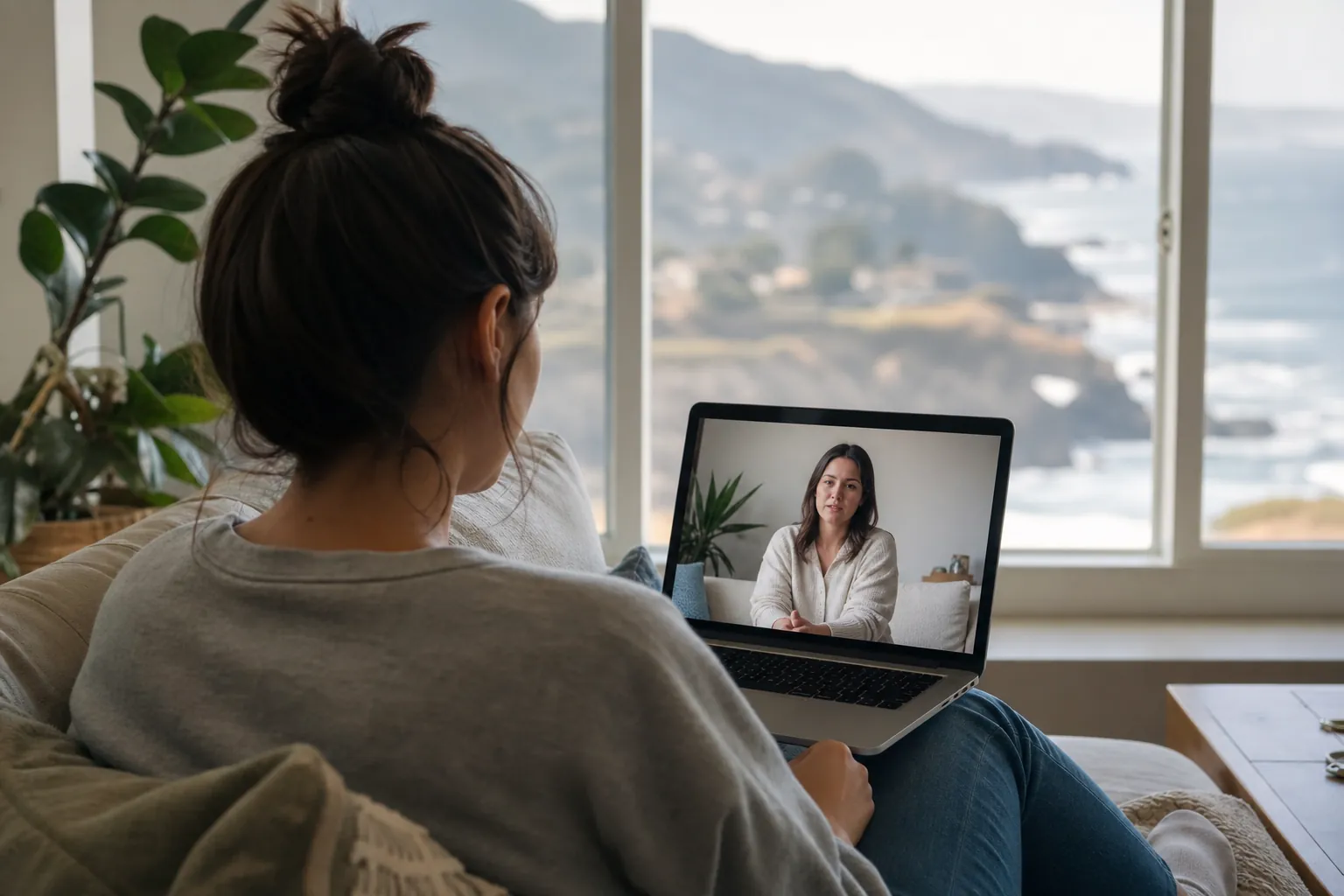
Telehealth sessions take place through a secure video platform using a smartphone, tablet, or computer. Clients join appointments from a private space with a reliable internet connection. Depending on clinical needs and the available program, care may include individual counseling, group sessions, family support, recovery education, and planning for continued care.
The first step typically involves a confidential conversation about substance use, physical and mental health, current medications, living conditions, and recovery goals. This information helps the treatment team recommend an appropriate path rather than applying the same plan to everyone.
Ongoing sessions may focus on identifying triggers, changing harmful routines, improving communication, responding to cravings, and building a sustainable recovery network. Counselors can also help clients prepare for challenging situations before they happen.
Who may benefit from virtual counseling
Online addiction counseling may be useful for people who are medically stable and able to participate safely outside a residential setting. It can also reduce common access barriers for Californians living far from treatment providers or balancing transportation, mobility, childcare, school, or employment concerns.
Telehealth may be considered by people who:
- Have a safe, private place where they can attend sessions consistently
- Can use a connected device and communicate by secure video
- Want structured support while continuing work, school, or caregiving
- Live in a rural or underserved California community
- Need ongoing counseling after completing a more intensive program
- Want help addressing triggers, cravings, relationships, or relapse risks
- Are willing to create an emergency and support plan with their care team
Clinical suitability matters more than convenience. Someone with severe withdrawal symptoms, an unstable medical condition, an immediate risk of self-harm, or an unsafe home environment may need urgent or in-person support. Alcohol, benzodiazepine, and some other forms of withdrawal can be dangerous and should not be managed alone.

Benefits of receiving care at home
California is geographically large, and treatment access varies widely by region. A virtual option can remove travel time and make it easier to attend scheduled care. This may be especially valuable when a long commute would otherwise lead to missed appointments.
Telehealth also lets clients practice recovery skills in the setting where daily challenges occur. A counselor can help someone plan for evening cravings, family conflict, workplace stress, isolation, or exposure to substances in real time. The goal is not simply to discuss recovery, but to apply useful strategies between sessions.
Privacy is another important consideration. Clients do not have to sit in a public waiting room, although they still need to choose a location where conversations cannot be overheard. Headphones, a closed door, and a clear agreement with household members can create a more focused environment.
Consistency remains essential. Virtual care works best when clients treat appointments with the same commitment as in-person visits, arrive on time, minimize distractions, and communicate honestly about setbacks or changing needs.
What to expect from a personalized plan
Substance use affects each person differently. A useful care plan considers the substances involved, frequency and duration of use, previous treatment experiences, co-occurring mental health concerns, physical health, relationships, housing, and personal motivation.
Counseling may draw from evidence-informed approaches that help clients examine thoughts, emotions, and behaviors connected to substance use. Sessions can support problem-solving, emotional regulation, healthier routines, and renewed connection with supportive people. When appropriate, family participation may improve communication and help loved ones set healthy boundaries.
A plan should also address setbacks without shame. Return to use can signal that triggers, support levels, or treatment intensity need to be reassessed. Open communication allows the clinical team to respond early and recommend additional services when needed.
Because needs can change, telehealth may be one part of a broader continuum of care. Some clients begin with a higher level of support and later transition to online counseling. Others may start virtually and move to in-person treatment if risks increase or progress stalls.
Preparing for your first online session
A little preparation can make virtual counseling more productive. Test the device, camera, microphone, and internet connection before the appointment. Choose a quiet location and keep the device charged or connected to power. Bring identification, insurance details if applicable, a medication list, and notes about questions or concerns.
Clients may also be asked to confirm their physical location at the start of a session. This supports safe care and helps the provider respond appropriately if an urgent situation develops. Providers must follow licensing and service-area requirements, so availability can depend on where the client is located during treatment.
Before beginning, ask how privacy is protected, what happens if the connection fails, how emergencies are handled, and which services are included. It is also reasonable to discuss scheduling, costs, insurance verification, attendance expectations, and communication between appointments.
Taking the next step with Living Longer Recovery
Asking for help can feel difficult, particularly when someone is uncertain about treatment or worried about judgment. A confidential conversation can provide clarity without requiring an immediate commitment. The team at Living Longer Recovery can discuss current concerns, explain available options, and help determine whether telehealth is a suitable starting point.
If virtual counseling is not clinically appropriate, seeking a different level of care is not a failure. It is a safety-focused decision that can create a stronger foundation for recovery. In a medical or psychiatric emergency, call 911 or go to the nearest emergency department.
To learn more about telehealth addiction counseling in California, call Living Longer Recovery at (747) 232-9694. A calm, private conversation can help you understand possible next steps for yourself or someone you care about.
Call (747) 232-9694 to talk through next steps.