
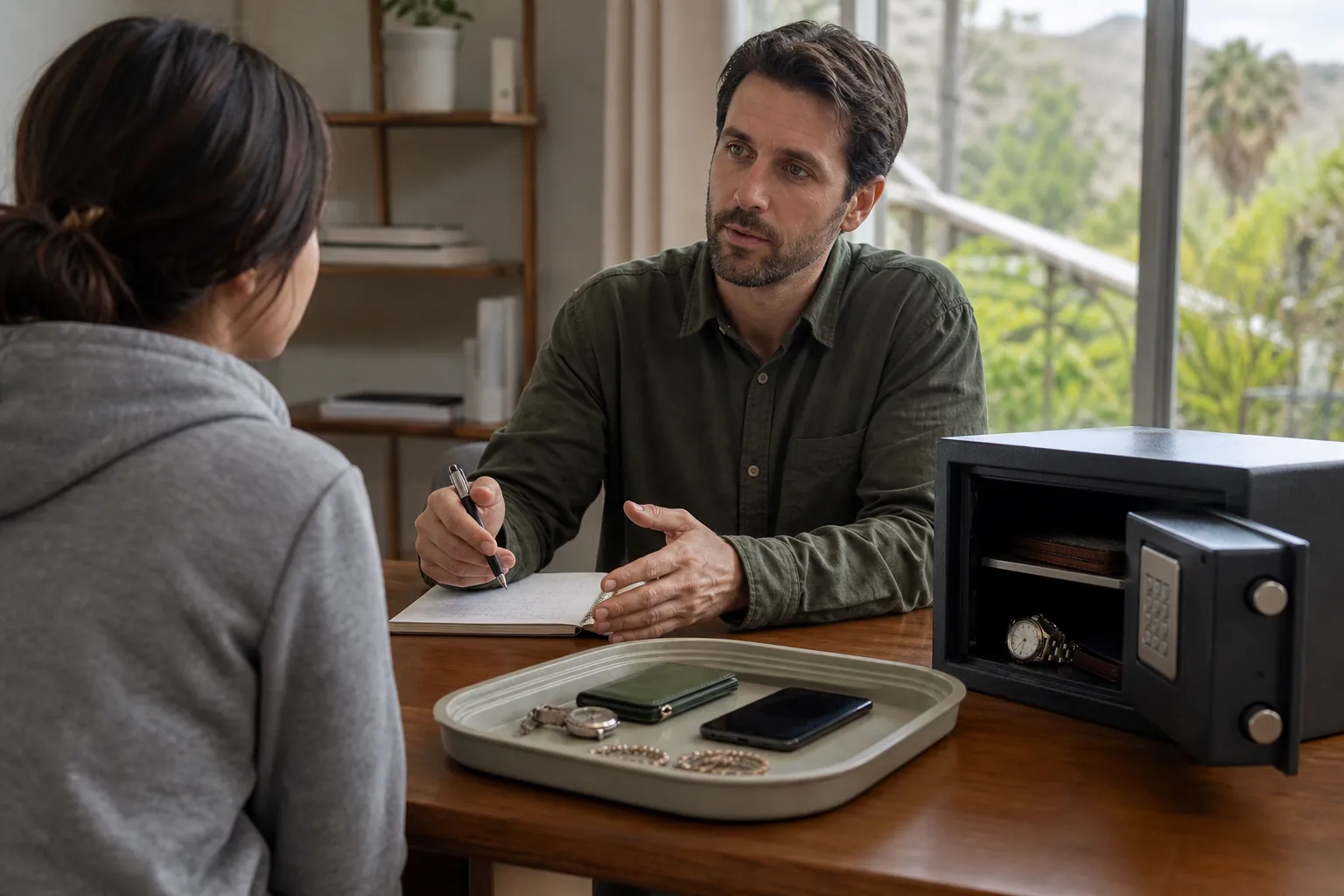
Preparing for residential substance use treatment involves more than packing clothes. You may also need to decide what to do with your wallet, jewelry, phone, identification, and other belongings you normally keep close. Making those decisions before admission can reduce uncertainty and help you arrive with fewer distractions.
The safest approach to valuables storage at residential rehab is to bring only what you need, arrange secure storage for everything else, and confirm the program’s procedures before you travel. Rules differ among California treatment programs, so a packing list from one facility may not apply to another.
If you are considering Living Longer Recovery, call (747) 232-9694 to ask about current admission requirements and personal-property guidelines. Do not assume that a particular item is allowed or that a specific storage option is available until the admissions team confirms it.
Why Planning For Valuables Matters Before Admission
Residential rehab is a shared treatment environment. You may move between a bedroom, group rooms, dining areas, outdoor spaces, and clinical appointments throughout the day. Keeping track of expensive or irreplaceable items can add an unnecessary task during an already demanding transition.
Some belongings also raise safety or privacy concerns. A phone may contain sensitive messages, a prescription bottle needs clinical review, and a valuable accessory may be easy to misplace. Programs may restrict certain items for reasons unrelated to their monetary value.
Good planning separates essential belongings from items that are merely familiar or comforting. You do not need to strip away every personal connection. Instead, choose a small number of practical, permitted items that support your stay without creating avoidable storage concerns.
Ask for the current packing guidance in writing when possible. Keep a copy available while you prepare, and clarify any exceptions directly. If admission happens quickly, focus first on identification, necessary medical information, approved clothing, and a safe plan for valuables left behind.
What To Bring And What To Leave Somewhere Secure
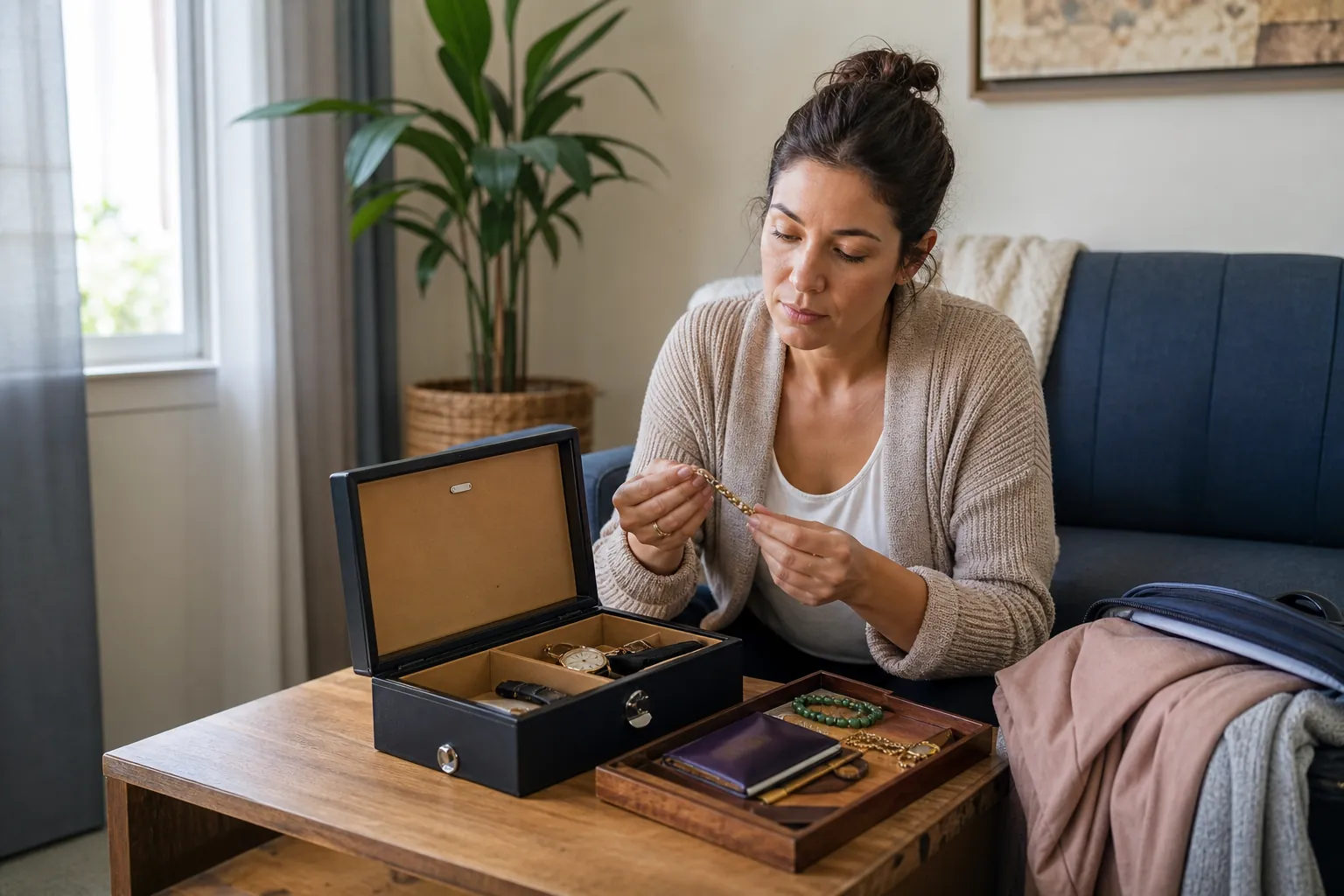
A useful starting point is to divide belongings into three groups: necessary for admission, allowed but optional, and better left elsewhere. The admissions team can help you determine which category applies to individual items.
Identification And Essential Paperwork
Ask which identification and insurance documents the program needs. You may be asked to bring a government-issued photo ID, insurance information, relevant medical records, or contact details for current providers. Requirements can depend on your circumstances and the admission process.
Avoid bringing an entire folder of unrelated personal records. Original birth certificates, property documents, tax returns, and other hard-to-replace paperwork generally create more storage responsibility than benefit unless specifically requested.
Keep essential documents together in a simple labeled envelope or folder. Before arrival, ask whether you will retain them, present them for review, or place them in a designated storage process.
Jewelry And Sentimental Objects
Expensive watches, heirloom jewelry, and collectibles are usually better kept in a secure location outside treatment. Their emotional significance can make even a temporary loss especially distressing.
If a wedding ring, religious item, or other personal object is important to you, ask whether it is permitted and how it would be handled. A modest replacement or a photograph may offer reassurance without exposing an irreplaceable object to daily wear or loss.
Cash, Cards, And Everyday Accessories
Ask whether you need spending money and whether purchases are available during your stay. Do not bring a large amount of cash simply because you are unsure what expenses might arise.
- Bring only the payment methods the admissions team recommends for your situation.
- Leave extra credit cards, unused identification cards, and expensive accessories in a secure location.
- Confirm whether wallets, keys, and small personal items remain with you or are handled through a property procedure.
- Choose practical clothing and footwear rather than items that require special care or secure storage.
Questions To Ask About Valuables Storage At Residential Rehab
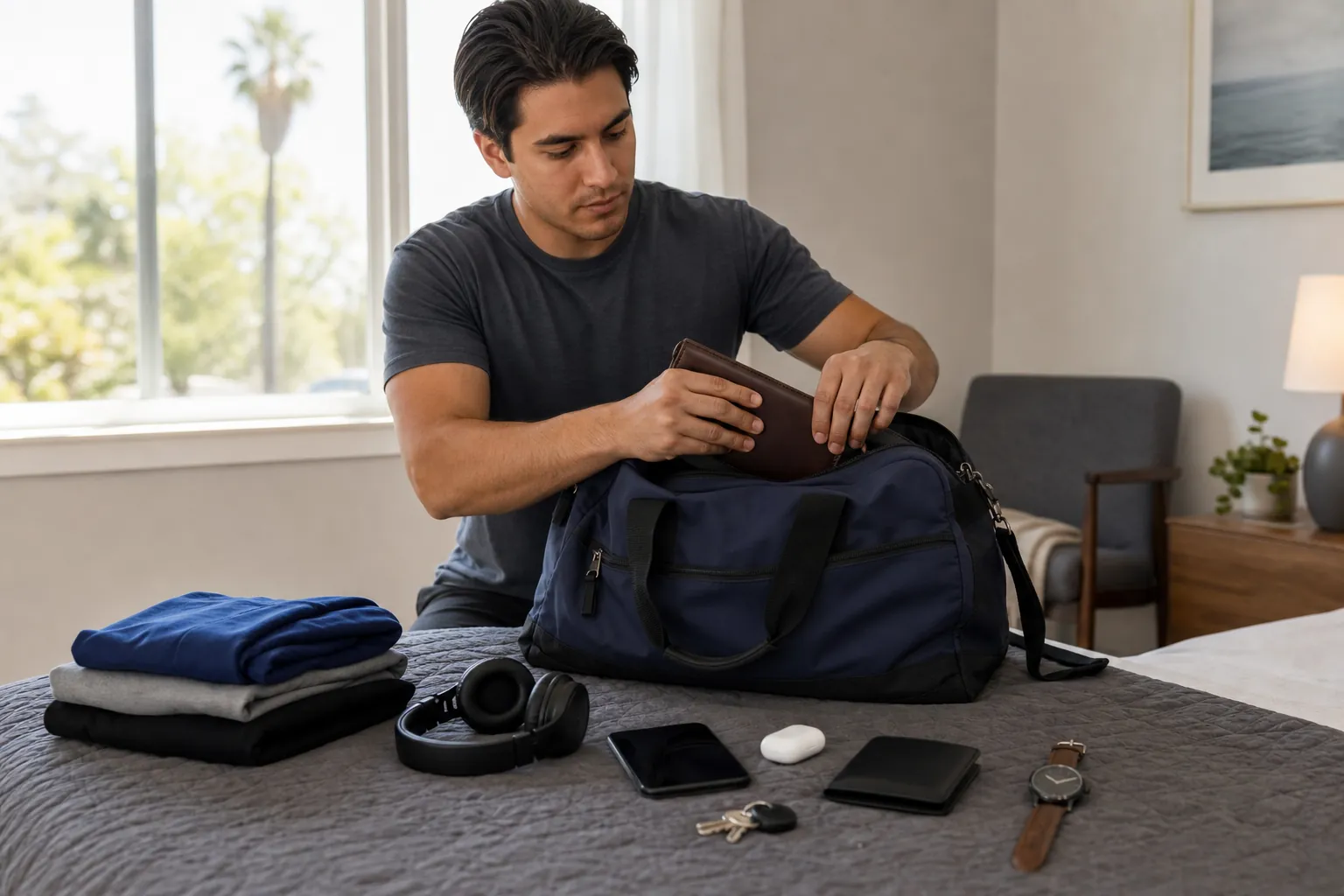
The phrase “secure storage” can describe several different arrangements. It might refer to a staff-managed location, an individual locker, or another controlled process. Ask what the term means at the specific program instead of assuming it describes a personal safe.
You should also understand how property is documented and retrieved. Clear answers help you decide what to bring and what should stay elsewhere. If a staff member cannot answer a question, ask who manages personal-property procedures.
- Ask which valuables are accepted and which belongings must be left at home.
- Ask whether belongings are inventoried at admission and whether you receive a copy of that record.
- Ask where accepted valuables are stored and who is authorized to access them.
- Ask whether you can retrieve stored items during treatment and how requests are handled.
- Ask whether the program has limits on cash amounts, item values, or the number of stored belongings.
- Ask what happens to belongings if you transfer, leave unexpectedly, or discharge outside normal hours.
- Ask how missing or damaged property concerns should be reported and documented.
Request an explanation of any property agreement before signing it. Storage procedures, financial responsibility, and insurance coverage are separate issues. A program accepting an item does not necessarily mean it guarantees reimbursement if that item is lost or damaged.
No storage arrangement eliminates every risk. If an item is difficult to replace, keeping it in an appropriate secure location outside the facility may remain the better option.
Making A Secure Plan For Items You Leave Behind
Leaving valuables at home only helps if the home arrangement is reasonably secure. Consider who can enter the property, whether roommates or visitors have access, and whether your absence will be noticeable. Avoid sharing details about your valuables or treatment schedule publicly.
A locked home safe may be suitable for some belongings, but its usefulness depends on its construction, placement, and who has access. For especially important items, consider established storage options that match the item and your needs.
A bank safe deposit box may be an option for documents or jewelry, subject to availability, access rules, and the bank’s restrictions. Check those terms directly. Do not place something there that you or an authorized person may need urgently while you are in treatment.
If a trusted person will hold your belongings, make the arrangement specific. Agree on what they are accepting, where it will be stored, who can access it, and when it will be returned. A short written inventory can prevent misunderstandings.
- Choose a person who is dependable and can respect your privacy and boundaries.
- Record a clear description of each item and photograph valuable belongings when appropriate.
- Agree that stored items will not be borrowed, sold, moved, or given to someone else without your permission.
- Keep any necessary insurance information accessible without exposing passwords or account credentials.
If your housing is unstable or you do not have a safe person to ask, tell the admissions team before arrival. They may be able to explain available options or help you identify questions to resolve. Do not assume the program can store every item you own.
Protecting Phones, Devices, And Digital Information
Electronics create two separate concerns: protecting the physical device and protecting the information it contains. Residential programs vary in their rules for phones, tablets, laptops, cameras, and wearable devices. Some limit access or require devices to be stored for part of the stay.
Confirm which devices are allowed, whether chargers are permitted, and when access may be available. Ask how you can communicate with approved contacts if your phone will not be accessible. Device rules should be understood before you depend on a phone for essential tasks.
Back up important information before admission. Use a strong screen lock, install relevant updates, and turn off sensitive lock-screen notification previews. Avoid sharing your device passcode with other residents.
Plan for two-factor authentication if you need someone to help manage bills or other responsibilities. A trusted helper should use an appropriate authorized method rather than receiving unrestricted access to your accounts. Banking and other services may offer their own arrangements for assistance.
- Write down essential contact numbers in case your device is unavailable.
- Save important appointment and insurance information in an approved, accessible format.
- Ask about camera and recording restrictions, which may protect other residents’ privacy.
- Leave unnecessary electronics and external storage devices somewhere secure.
Do not rely on access to a stored phone for urgent financial, family, or work obligations. Arrange those responsibilities beforehand whenever possible.
Handling Medications Separately From Personal Valuables
Medication is not an ordinary storage item. Prescription medicines, over-the-counter products, vitamins, and supplements may require review by clinical staff. A medication that is appropriate at home may need a specific handling process in residential treatment.
Ask how to bring current medications and whether original labeled containers are required. Provide an accurate medication list, including dosages and prescribing clinicians, according to the program’s instructions. Tell the team about medications you have run out of or have recently stopped taking.
Do not hide medications in a wallet, toiletry bag, or valuables pouch. Do not share medication with another resident. Clinical staff need accurate information to assess potential interactions and coordinate care.
If you are concerned about access to medication for addiction treatment or another health condition, discuss it before admission. Ask how the program evaluates your treatment needs and coordinates with prescribers. Do not change or discontinue prescribed medication solely to simplify packing without medical guidance.
What To Do During The Admission Property Review
Depending on the program, staff may review your belongings when you arrive. This can help identify restricted items, clarify what you brought, and establish how accepted property will be handled. Ask staff to explain the process if you are unsure what to expect.
Keep belongings organized so that essential items are easy to identify. A small number of labeled bags is generally simpler to review than multiple containers filled with miscellaneous objects. Avoid placing important documents loosely among clothing.
If staff prepare an inventory, review it carefully. Check descriptions, quantities, and any recorded condition. A generic entry such as “jewelry” may be less helpful than an accurate description of the specific accepted item.
- Point out any discrepancy before signing a property record.
- Ask for a copy of the inventory or confirmation of how you can access it.
- Confirm which belongings remain with you and which enter a staff-managed process.
- Ask how prohibited items can be returned to a support person or otherwise handled.
If you arrive with something that is not allowed, ask about the available next steps rather than leaving it unattended. Sending an item home, arranging pickup, or using another option may require coordination. The program’s policy determines what is possible.
If A Belonging Goes Missing Or Your Plans Change
If you cannot locate an item, notify the designated staff member promptly. Explain what is missing, where you last saw it, and whether it appeared on an intake inventory. Provide a photograph or identifying description if available.
Avoid confronting other residents or searching someone else’s belongings. Let staff follow the applicable process. Ask how your concern will be documented and whether there is a written reporting procedure.
If a payment card or device may be missing, you may also need to contact the issuer or use account-security tools. Coordinate access to those services with staff if your device is restricted. Take reasonable steps to protect your accounts while the property concern is addressed.
Transfers and unexpected departures can complicate retrieval. If your treatment plan changes, ask who will release stored belongings, what identification is required, and whether a support person can collect items with your authorization. Confirm procedures rather than assuming property will travel automatically with you.
A Simple Packing And Discharge Checklist
A short checklist can make preparation manageable. Complete what you can ahead of time, and ask for help with unresolved details. The goal is a practical plan, not a perfect packing process.
- Obtain the program’s current packing list and clarify any items you are unsure about.
- Gather requested identification, insurance information, and medical documents.
- Arrange secure storage for expensive, sentimental, and unnecessary belongings.
- Prepare your devices and essential contacts for possible limits on access.
- Follow the program’s instructions for bringing medication.
- Keep a brief list of the valuables you bring and review any admission inventory.
- Before discharge, compare returned belongings with the property record and report discrepancies promptly.
At discharge, check document folders, wallets, keys, devices, and chargers before leaving when possible. Ask about any belongings that are not immediately available and confirm the next steps in writing if needed.
Prepare For Treatment With Fewer Property Worries
Thoughtful planning for valuables storage at residential rehab can free up attention for treatment. Bring essentials, keep irreplaceable items somewhere appropriate, and understand how the program handles accepted belongings.
For questions about preparing for residential treatment in California, call Living Longer Recovery at (747) 232-9694. Ask the admissions team about current packing guidance, valuables policies, and any concerns specific to your situation before you arrive.
Call (747) 232-9694 to talk through next steps.