

Medical detox for benzodiazepine withdrawal provides supervised care when stopping or reducing these drugs may cause serious symptoms. Withdrawal can be dangerous, so medication changes need medical guidance. A clinical assessment helps decide the right setting. Living Longer Recovery offers medical detox and residential addiction treatment in Desert Hot Springs, CA.
What Is Medical Detox For Benzodiazepine Withdrawal?
Medical detox for benzodiazepine withdrawal is supervised care for symptoms linked to reducing or stopping these medicines. The goal is to manage immediate risks, not finish every part of recovery. Read about next steps for medical detox and common medical detox withdrawal questions for broader care context.
Benzodiazepines are medicines used for some anxiety, sleep, and seizure conditions. These drugs slow certain signals in the brain. With regular use, the body can adapt to their presence. A sudden change can then cause withdrawal symptoms.
Physical dependence means the body has adapted to a drug. Dependence can develop even when someone follows a prescription. Dependence alone does not mean someone has an addiction. A clinician needs to assess both health risks and patterns of use.
Withdrawal may involve anxiety, poor sleep, shaking, or feeling unusually tense. More severe symptoms can include seizures or marked confusion. Symptoms can overlap with the problem the medicine first treated. That overlap makes a medical review important.
Medical detox focuses on the period when symptoms and safety need close attention. Care decisions depend on a person's health and drug history. No single plan fits every person who takes a benzodiazepine. Some people may need a different supervised care setting.
Detox addresses an early part of care, rather than all recovery needs. Further treatment may address substance use, mental health, and daily routines. Those needs should be reviewed separately.
Living Longer Recovery provides medical detox for adults in Desert Hot Springs. The facility serves adults from across California at that location. A service listing alone does not establish clinical fit. Assessment and admission are separate steps in finding suitable care.

When Do Withdrawal Symptoms Need Urgent Help?
Benzodiazepine withdrawal needs prompt medical assessment when symptoms begin or worsen after a medication change. Seizures, severe confusion, or breathing problems need emergency care rather than an admissions call. General guidance on withdrawal care questions and the first medical detox call cannot replace urgent medical help.
Withdrawal from benzodiazepines can be dangerous, especially after sudden stopping. Alcohol or opioid use can add other serious risks. A person may not know which drug caused a symptom. Medical assessment is safer than trying to sort that out alone.
Call 911 for an emergency or immediate danger, or 988 for the Suicide and Crisis Lifeline. The crisis line offers support for suicidal thoughts and emotional distress. Emergency services are the right route for seizures or breathing trouble. Don't wait for admission or insurance review during an emergency.
A person who is awake and talking may still need urgent assessment. New shaking, severe distress, or rapidly worsening symptoms deserve prompt attention. An admissions team can discuss treatment access, but cannot replace emergency care. The right route depends on the symptoms present.
Benzodiazepines combined with opioids or alcohol can slow breathing. That risk differs from withdrawal, but can happen in the same situation. Suspected overdose needs emergency care. A facility inquiry should never delay that response.
Someone without severe symptoms can still have a risky withdrawal history. Past seizures or serious withdrawal episodes matter during assessment. Early symptoms alone do not show how the course will unfold. A clinician should review the full picture.
- Seizures or loss of consciousness need emergency care without waiting for admission.
- Severe confusion or loss of contact with reality needs urgent medical attention.
- Slow breathing or trouble staying awake may signal a medical emergency.
How Does A Clinical Assessment Guide Care?
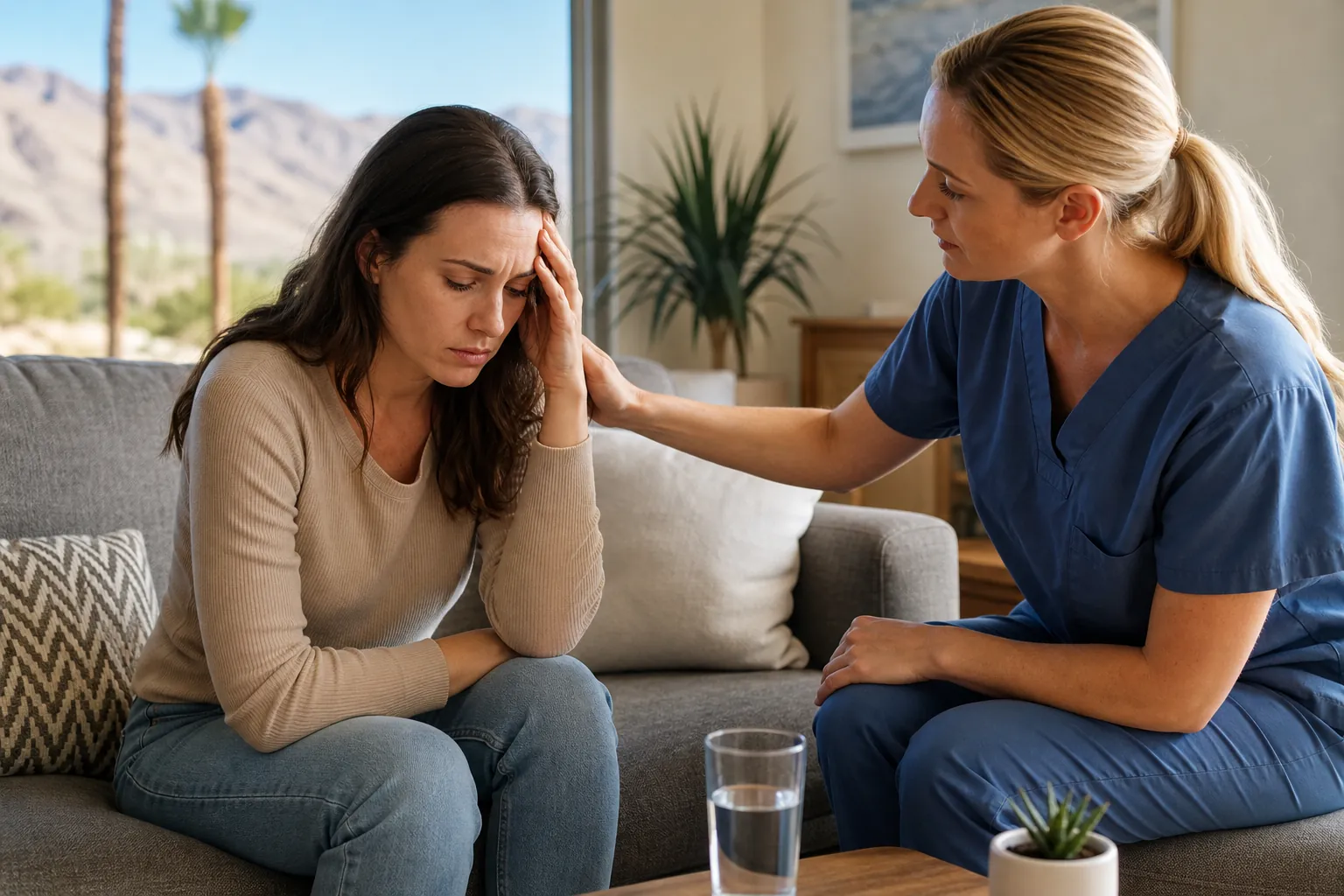
A clinical assessment reviews benzodiazepine use, current symptoms, health history, and other substances to guide care. The review helps determine the needed support and setting, rather than confirming admission by itself. See what happens during the first call and the medical detox admissions checklist for access details.
The first conversation may gather basic facts and explain next steps. A clinical assessment looks more closely at health and withdrawal risk. These steps serve different purposes. A helpful first call does not mean a care plan is settled.
Medication history helps clinicians understand the starting point for care. The team may review the drug, recent use, and any changes. Medicines taken as prescribed still matter in that review. So do drugs obtained outside a pharmacy.
Other health concerns can affect the safest setting. These may include seizure history, breathing problems, pregnancy, or serious mood symptoms. Alcohol, opioids, and other sedatives can change the risk picture. Sharing that information helps clinicians avoid working from an incomplete history.
The ASAM Criteria describes placement decisions based on several areas of need. Withdrawal risk is one part of that broader review. Health, mental health, and available support can matter as well. A drug name alone does not determine the right level of care.
You don't need a polished account before reaching out. You can explain what you know and say what is unclear. Gaps in memory should not stop an initial conversation. The team can explain which details are needed next.
Assessment may show that another medical setting is needed first. A care recommendation may also change as symptoms become clearer. That is a safety decision, not a judgment about the person. Admissions staff can explain the next step after clinical review.
- Current symptoms help clinicians judge how urgently a person needs care.
- Past withdrawal problems can affect the level of medical support needed.
- Other medicines and substances can change withdrawal risks and care choices.
How Long Can Benzodiazepine Withdrawal Care Take?
Benzodiazepine withdrawal care has no single timeline that fits every person. The medicine used, length of use, health history, and symptoms all affect planning. For general context, review medical detox withdrawal questions and planning next steps for detox, while leaving personal timelines to the clinical team.
Some benzodiazepines leave the body faster than others. Symptoms may begin at different times after a change in use. A quiet period does not prove that withdrawal risk has passed. Timing needs to be reviewed alongside the person's drug history.
The length of a detox stay differs from the full withdrawal course. A person may need follow-up after leaving a supervised setting. Sleep, anxiety, and other symptoms may need further care. Discharge should reflect clinical needs, not a fixed countdown.
A taper is a planned, gradual reduction in medicine. A qualified prescriber decides if a taper is suitable and how to manage it. There is no universal schedule to apply without assessment. Do not stop or change prescribed benzodiazepines without medical guidance.
Medication decisions may change as the team reviews symptoms and health. A slower or revised plan does not mean someone has failed. The aim is to match care to current needs. Only the treating team can explain the reasons for specific changes.
Work, childcare, and travel can make uncertain timing hard. Admissions can explain the planning process without predicting a personal course. It helps to separate practical arrangements from clinical decisions. Neither a travel booking nor a work deadline determines medical readiness.
Ask the clinical team for an explanation of discharge criteria. Those criteria should address safe next steps and ongoing needs. A predicted date may need to change after assessment. Avoid choosing care based only on a claimed short stay.
What Is The Difference Between Detox And Residential Care?
Medical detox addresses withdrawal risks, while residential treatment addresses ongoing addiction care in a live-in setting. A person may need either service or both, based on assessment. Explore the next steps in detox care and preparing for medical detox admissions to understand how access steps differ from treatment decisions.
Living Longer Recovery offers both medical detox and residential addiction treatment. These services have different goals, even when care moves between them. The site is in Desert Hot Springs, CA. Statewide access does not mean the provider has facilities elsewhere.
Detox centers on the health needs linked to withdrawal. Residential treatment gives time and structure for ongoing addiction work. SAMHSA's Substance Use Treatment overview describes different treatment settings. That general guidance does not establish any facility's specific practices.
The table compares the two services at a broad level. Actual care depends on assessment and the provider's services. A listed level of care does not confirm a particular treatment method. Admissions can clarify what the program offers.
| Care Factor | Medical Detox | Residential Treatment |
|---|---|---|
| Main focus | Withdrawal risks and symptoms | Ongoing addiction treatment |
| Care decisions | Current medical needs | Broader treatment needs |
| Time in care | Based on clinical assessment | Based on the treatment plan |
| Next step | Further care when needed | Follow-up and recovery support |
Does Prescribed Use Mean Addiction Treatment Is Needed?
Prescribed benzodiazepine use can lead to physical dependence without a substance use disorder. Withdrawal risk still deserves medical attention, even when a prescription was followed. Review questions about withdrawal and detox and starting a medical detox conversation, then let a clinical assessment guide the appropriate care path.
A substance use disorder involves a pattern of use that causes harm. Physical dependence describes the body's response to regular drug exposure. The two can occur together, but they are not the same. Neither can be judged from withdrawal symptoms alone.
MedlinePlus describes substance use disorder as a health condition affecting behavior and functioning. A clinical review looks at patterns, effects, and loss of control. Taking a medicine for a long time does not settle that question. Honest discussion is more useful than applying a label yourself.
Some people worry that seeking help will make them seem at fault. Others feel unsure because their medicine came from a doctor. Both concerns can make the first call difficult. Medical risk deserves attention regardless of how drug use began.
Anxiety or sleep problems may return when a benzodiazepine changes. Withdrawal may cause similar symptoms, which can make the cause unclear. A clinician can assess both possibilities. Treating every symptom as addiction would miss important health needs.
A person without an addiction diagnosis may need a different care pathway. That might involve the prescribing clinician or another medical service. Living Longer Recovery's suitability requires an individual assessment. The availability of detox does not mean every prescription concern fits the program.
If use has caused harm, ongoing treatment may be worth discussing. That discussion can include health, relationships, work, and daily functioning. The goal is to understand needs without blame. A care plan should reflect the person's actual situation.
What Happens After The Immediate Withdrawal Phase?
After immediate withdrawal care, the next step depends on ongoing medical and addiction treatment needs. Some people need residential treatment, while others need a different clinician-directed plan. Use planning the next steps after detox and medical detox admission preparation for context, but confirm the individual transition with the care team.
Leaving detox does not mean every symptom or care need has ended. Sleep, mood, and physical symptoms may still need follow-up. The team should explain what ongoing care is recommended. Medication instructions belong with the treating clinician, not a general online guide.
When a substance use disorder is present, further treatment may address daily patterns. Care can focus on coping, triggers, relationships, and support. A return to symptoms or use calls for reassessment, not blame.
Residential treatment at Living Longer Recovery may be considered after clinical review. Moving from detox into residential care is not automatic. Clinical fit and admission steps still need confirmation. The team can explain how that review works.
Follow-up may involve services outside the provider's own programs. Living Longer Recovery's listed services are medical detox and residential treatment. Other settings are separate care options, not claimed programs here. A transition plan should name the recommended next service clearly.
Family or trusted support can help with practical parts of a transition. Involvement should reflect the person's wishes and applicable privacy rules. Travel, medicines, and follow-up visits need clear coordination. None of those tasks replaces a clinical discharge plan.
- The next care setting should match ongoing medical and treatment needs.
- Follow-up plans should name who will manage medicines after discharge.
- Written instructions should explain how to seek help if symptoms worsen.
Questions about next steps? Call Living Longer Recovery at (747) 232-9694 or review medical detox at Living Longer Recovery.
Frequently Asked Questions
Can Withdrawal Start While Someone Is Still Taking Benzodiazepines?
Withdrawal symptoms can occur after a dose reduction or missed doses, even during continued use. Symptoms may also have another cause, including the condition being treated. A clinician needs to review the timing and medication history. Do not adjust a prescription on your own to test what caused the symptoms.
Can A Family Member Make The First Inquiry?
A family member can contact admissions to request general information about care. Sharing concerns does not mean the provider can disclose a person's private health information. Clinical assessment still requires the person's involvement as appropriate. During immediate danger, a family should seek emergency help instead of waiting for a treatment inquiry.
What If The Drug Did Not Come From A Pharmacy?
Tell the clinical team if a drug came from outside a pharmacy. The contents or strength may be uncertain, which can affect risk assessment. You do not need to identify every ingredient before seeking help. Severe symptoms or suspected overdose need emergency care, rather than waiting for a detox placement.
Does Medical Detox Always Include A Specific Medicine?
Medical detox does not mean every person receives the same medicine. Treatment choices depend on assessment, symptoms, other drugs, and health history. The clinical team should explain the proposed plan and its limits. Living Longer Recovery's service listing does not establish a specific medication approach, so confirm those details directly.
Can Adults Travel From Other Parts Of California?
Adults from across California may seek care at Living Longer Recovery in Desert Hot Springs. The statewide service area does not imply other facility locations. Admissions must assess fit and confirm next steps before travel plans are settled. Someone with urgent or severe withdrawal symptoms should seek local medical care without delaying for travel.
Sources
Call (747) 232-9694 to talk through next steps.