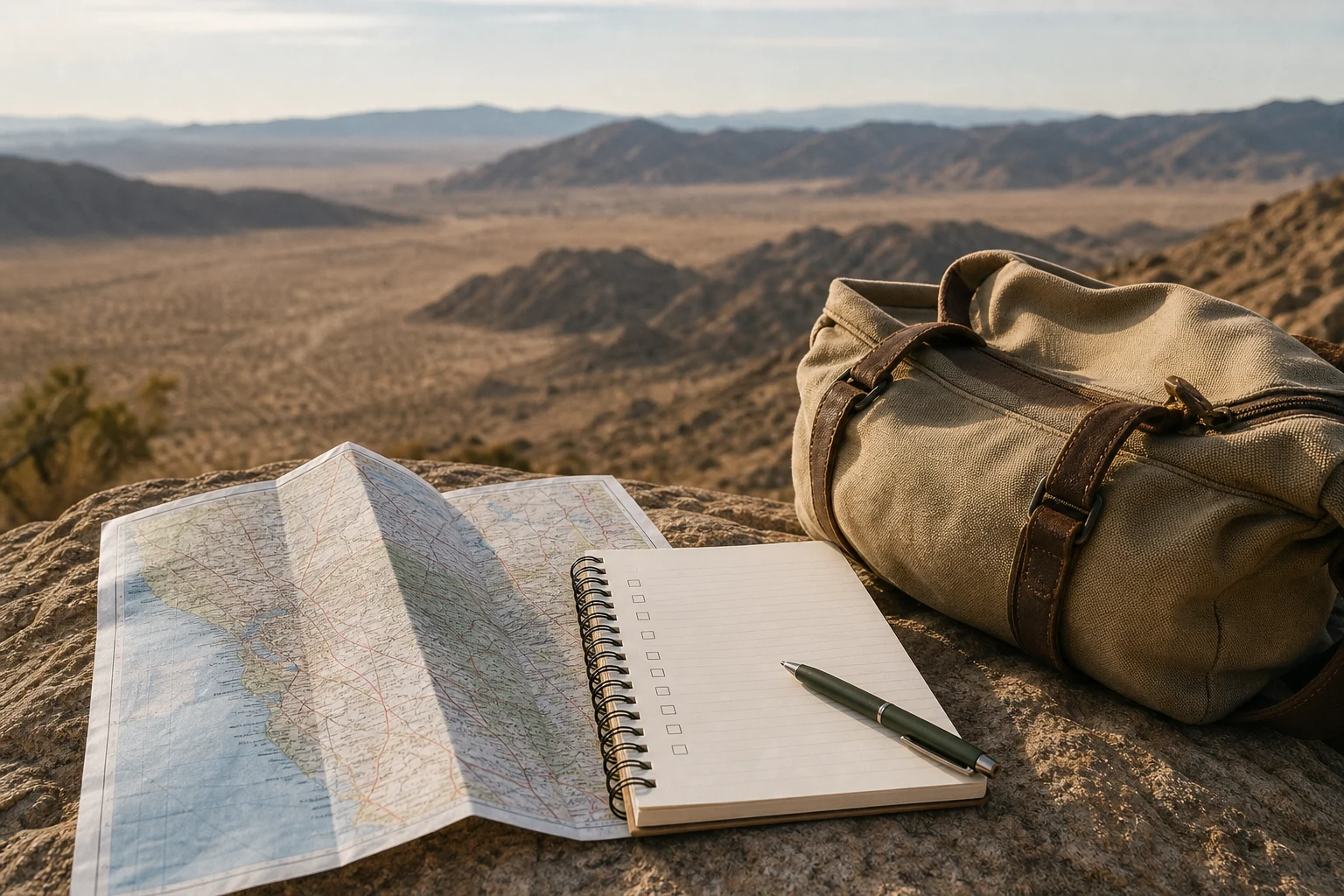
Editorial California image for northern california detox travel planning

How Should Northern California Residents Plan Travel to Desert Detox?

Statewide California detox access and travel

A plain travel worksheet for adults considering a long trip within California for detox support.

Approved by Clinical Staff

Talk with admissions

330022BPCalifornia record number

14-personverified facility capacity

Desert Hot Springs, CAverified facility city

What this means for you

How Should Northern California Residents Plan Travel to Desert Detox?

Start northern California detox travel planning before leaving home. Review california detox access and verify each key detail directly. Use Living Longer Recovery travel information to shape questions about timing, records, travel support, and arrival. Do not depart until the facility confirms your plan and expected arrival.

A long trip adds several decisions. Your health needs come first. Travel time can affect those needs. Ask how staff assess new arrivals. Share honest substance use details. Include recent use and health concerns. Ask which records may help. Confirm every step before departure. Keep written notes from each call. Do not assume a bed is open today or later that day, either way without direct confirmation from the facility itself first and a clearly stated arrival time in hand before travel begins, especially after a long drive from Northern California.

Living Longer Recovery, Inc. has one verified facility. Its address is 68257 Calle Azteca. The city is Desert Hot Springs. The ZIP code is 92240. California record number 330022BP applies. Public records identify residential drug and alcohol detox. They list capacity for 14 people. They identify co-ed adult care. They also list incidental medical services. These facts cannot confirm your fit or admission, current space, staffing, insurance, room type, medication access, schedule, amenities, stay length, or likely results.

Decision point 1

How can you confirm the Desert Hot Springs facility details?

Check the address and California record before you book travel. The residential drug and alcohol detox program page can frame service questions. Review what to expect on arrival for planning topics. Then ask the facility to confirm its location, current status, admission steps, and your specific arrival instructions.

Use public directories as a first check. California's DHCS directories list state programs and facilities. They can support county and referral searches. The national SAMHSA locators offer another search path. Directory entries may change over time. A listing does not reserve care. It does not prove personal fit. Compare names, addresses, and record details. Ask the facility about any mismatch. Save the date of your search for later reference during calls and travel planning discussions with trusted people who may help you.

Living Longer Recovery has a verified Desert Hot Springs address. Public records describe a 14-person residential setting. They identify co-ed adults. They also list incidental medical services. That term means limited medical support tied to care. It does not define every available service. Ask what those services mean for you. Do not infer clinical coverage or medication access. Current details need direct confirmation. Public records alone also cannot show open space, admission approval, room type, staffing, schedule, insurance participation, amenities, or an outcome for any person.

  • Match the legal and public names.
  • Check 68257 Calle Azteca carefully.
  • Note California record number 330022BP.
  • Compare state and national directory entries.
  • Ask directly about any conflicting detail.

Decision point 2

How should you time a long California detox trip?

Build extra time around the full journey. Check Living Longer Recovery travel information before choosing a route. Send your timing questions through Living Longer Recovery admissions questions and seek direct confirmation. Plan for stops, delays, weather, and fatigue. Never assume late arrival works. Leave only after receiving clear arrival instructions.

Map the route before making bookings. Check the likely drive duration. Add time for food and fuel. Review road and weather alerts. Mountain routes can change quickly. Heat also affects desert travel. Avoid a rushed departure. Choose a rested driver when possible. If another person helps, share the plan. Keep the destination address offline. Also carry a paper copy in case your phone loses power, service, or access during a remote part of the route south toward Desert Hot Springs, California that day.

Your arrival time should be specific. Ask for a date and clock time. Confirm the time zone. California uses one time zone. Still, phone calendars can cause errors. Ask what happens after a delay. Learn whom to contact while traveling. Do not assume someone can wait. A missed arrival may change the plan. Confirm again before the last travel leg. If travel requires a hotel, ask whether timing changes are allowed before paying, since the public facts do not establish lodging, transportation, or flexible arrival support.

  • Map five planned fuel and rest stops.
  • Check weather along the whole route.
  • Name one rested travel companion.
  • Save the address on paper.
  • Reconfirm before the final travel leg.

Decision point 3

Why should records be ready before northern California detox travel?

Records can help a receiving team understand recent care and needs. Review what to expect on arrival when building your file. The central valley california detox travel checklist offers another travel planning model. Ask which records are wanted, how to send them, and what consent forms are required.

Start with a short personal list. Include current medicines and known allergies. Record recent hospital or urgent visits. Add useful prescriber contact details. List major health conditions in plain words. Note recent substance use accurately. Include the substance and last use. Do not change medicines for travel. Do not attempt a self-directed taper. Ask a licensed health professional about urgent concerns. Keep private papers secure and carry only the records that the receiving facility has specifically requested for assessment or arrival planning.

Consent controls many record transfers. Treatment planning often begins with assessment. An assessment gathers health and substance use facts. The facility may request signed permission. Ask what form is needed. Ask where records should go. Confirm receipt before you leave. Do not send sensitive files to an unverified address. Keep a list of sent items. Bring identification if requested. Ask what alternatives exist if a record cannot arrive in time, since missing papers may affect assessment steps without proving whether admission will or will not occur.

  1. List medicines, doses, and allergies accurately.
  2. Record recent substance use and last use.
  3. Gather requested visit summaries.
  4. Sign only forms you understand.
  5. Confirm requested records were received.

Decision point 4

How can a five-step worksheet organize long-distance travel?

Use one page for decisions, names, dates, and confirmations. Send gaps through Living Longer Recovery admissions questions before spending money. Compare wider options with california detox access if the plan changes. A written sheet reduces missed details, but it cannot confirm admission, personal fit, current space, insurance, or safety.

Place the worksheet beside your phone. Write the facility's full legal name. Add its public brand name. Record the street address. Note record number 330022BP. Add each call's date and time. Write the speaker's name. Capture exact arrival instructions. Mark unconfirmed answers clearly. Review the page with a trusted person. Do not treat silence as approval, since an unanswered message cannot establish a bed, acceptance, service, payment, travel aid, or a suitable care plan for your own needs at that point in time.

Use five headings on the page. First, identity and public record details. Second, personal health and substance facts. Third, requested documents and consent. Fourth, route and support contacts. Fifth, arrival confirmation and backup steps. Keep each answer short. Add a source beside each fact. Cross out old details carefully. Date every update. Store the page securely, since it may contain private health facts, contact information, travel times, and other personal details that should not be left in an open car or public place.

  • Identity: match name, address, and record number.
  • Health: list recent use, medicines, and concerns.
  • Records: note requests, consent, and receipt.
  • Route: map stops, delays, and support.
  • Arrival: confirm date, time, contact, and backup.

A simple next step

Take the next step with admissions

Every visible field is required. Share only the contact details and general question needed to reach you. Do not include medical, substance-use, or other sensitive health information.

This form is not monitored for emergencies. Call 911 for immediate danger, or call admissions at 747-232-9694.

Decision point 5

How should you compare travel options within California?

Compare more than miles or ticket price. The central valley california detox travel page can prompt route questions. Confirm the intended residential drug and alcohol detox program details before purchase. Score each option for total time, rest, change risk, flexibility, support, and the safe handling of bags and records.

A direct drive may seem simple. Yet fatigue can rise over distance. A flight may shorten travel time. It can add transfers and waits. A bus or train may take longer. Each option has different change rules. Write the full door-to-door time. Include station or airport transfers. Add meals, fuel, and parking. Consider cancellation terms before payment. Do not assume the facility offers transportation, since no locked fact establishes pickup, drop-off, tickets, travel booking, or repayment for any part of the trip.

Use a simple score from one to five. Rate time and number of changes. Rate access to rest and food. Rate support from a trusted person. Rate the ease of changing plans. Note any health concern separately. A score cannot decide clinical fit. It only makes travel tradeoffs visible. Ask a health professional about travel risk. Ask the facility about its arrival process. Choose no route until those conversations support a clear plan and you understand what happens if the trip is delayed or interrupted.

  • Count the whole door-to-door time.
  • List every transfer and waiting period.
  • Check refund and change terms.
  • Plan safe care for bags and records.
  • Keep funds for delays and meals.

Decision point 6

How can you plan for withdrawal concerns during travel?

Discuss withdrawal risk before the trip with a qualified health professional. Review california detox access for broader search context. Check Living Longer Recovery travel information for route topics. Do not self-detox, change prescribed medicine, or rely on travel timing as care. If immediate danger develops, call 911.

Withdrawal can differ by substance and person. Symptoms can change during a long trip. Past withdrawal details may matter. Share them with a qualified professional. Include seizures or severe confusion. Mention serious heart or breathing problems. Give clear timing of recent use. Do not hide symptoms to keep plans. A travel companion cannot replace clinical care. Living Longer Recovery is not emergency care. If you face immediate danger before, during, or after travel, call 911 rather than continuing toward the facility.

Crisis support has a separate role. The 988 Suicide and Crisis Lifeline is available. You can call, text, or chat. It supports people in crisis. It does not confirm detox admission. Keep 911 and 988 easy to find. Tell your companion about warning signs discussed by a professional. Plan where emergency help exists along the route. Do not create your own taper plan. Do not use someone else's medicine. A qualified professional should address personal risks, while the facility should directly confirm its arrival process.

  • Discuss travel risk with a qualified professional.
  • Share past severe withdrawal events.
  • Keep 911 available for immediate danger.
  • Use 988 by call, text, or chat.
  • Never follow a self-made taper plan.

Decision point 7

How do you create a confirmed arrival plan?

A confirmed arrival plan names the place, date, time, contact, and delay steps. Read the residential drug and alcohol detox program information for question ideas. Review what to expect on arrival before departure. Get direct answers, write them down, and reconfirm when the trip involves many hours or transfers.

Start with the exact destination. Write 68257 Calle Azteca. Add Desert Hot Springs, California 92240. Confirm it with the facility. Record the agreed arrival window. Ask where to enter. Ask whom to contact on arrival. Ask what identification is requested. Ask which personal items are accepted. Do not assume room type or amenities. Ask about needed medicines and documents. Current access, staffing, schedule, and medication details require direct confirmation from the facility before travel because public records do not answer those personal and current questions.

Your backup plan should stay practical. Ask what to do after a delay. Save the stated contact method. Identify a safe stopping place. Keep enough power for your phone. Share updates with a trusted person. Avoid posting private travel details publicly. Recheck all bookings and route alerts. Do not arrive without confirmation. If the plan breaks down, pause. Seek emergency help for immediate danger. Use 988 by call, text, or chat for crisis support. A changed plan never proves rejection, fit, or future availability.

  • Confirm place, date, and time.
  • Write the arrival contact method.
  • Ask about identification and requested items.
  • Record the delay procedure.
  • Reconfirm after any major travel change.

Clear answers

Questions people ask before they call

01

Can a directory listing guarantee a place at the facility?

No. A state or national directory can help you verify public details. It may list a facility, program, county, or referral resource. A listing does not confirm current space, admission, personal fit, or future access. Contact the facility directly. Ask for clear arrival instructions before making a long trip or paying for travel.

02

Should a friend or family member join the trip?

A trusted person may help with driving, notes, bags, and route updates. That person cannot replace professional care. Ask a qualified health professional about travel risks. Ask the facility which arrival arrangements it permits. If immediate danger arises, call 911. For crisis support, 988 is available by call, text, or chat.

03

What should I do if my travel time changes?

Contact the facility through the confirmed method. Give your new expected time. Ask whether the arrival plan must change. Do not assume a late arrival is accepted. Write down the response and the speaker's name. If you cannot reach anyone, pause before completing the final leg. A booking or prior call does not guarantee admission.

04

Will insurance pay for detox and travel costs?

The locked public facts do not establish insurance participation or payment. They also do not show coverage for fuel, flights, lodging, or other travel costs. Ask the facility about its current payment process. Contact your health plan for benefit details. Request written terms when possible. Coverage information does not promise admission, personal fit, or payment.

05

How can I search for other California options if plans change?

Use California DHCS directories to review facility, program, county, and referral information. SAMHSA treatment locators provide a national search and opioid treatment program listings. Verify every result directly. Ask about current services, admission steps, and fit. Public directory data can support a search, but it cannot reserve a place or select care for you.

Sources and review context

A practical next step

Bring your questions to admissions

Admissions can explain the verified Desert Hot Springs setting and identify which questions need clinical or administrative review. A conversation does not promise admission, coverage, or an outcome.

Talk with admissions