

The search term addiction recovery skills training california describes practical learning. This can include ways to handle stress and cravings. It can cover clear communication and steady daily routines. These skills may help people take part in treatment. Groups and services vary by program and care plan. Admissions can explain available support during medical detox and residential care.
How Does Addiction Recovery Skills Training In California Help?
Recovery skills practice means learning ways to face daily challenges. These challenges can arise during treatment and daily life. Skills may include noticing feelings and clearly stating needs. Other examples include handling stress and planning for difficult moments. Each program has its own approach. Admissions can explain which activities are available. These details also matter for care admission planning and residential care planning.
The phrase describes many kinds of learning, not one standard treatment. A person might talk through a hard situation with support. They might practice clear speech or plan for an urge. Practice may make a tool easier to recall under stress. It does not remove every challenge that a person faces.
Skills should fit a person's life, values, health needs, and goals. One person may want to practice asking for support. Another may focus on conflict or a steadier routine. Those needs can differ even within the same care setting. A treatment plan should make room for these differences. Everyone does not need the same set of tools.
Recovery skills do not replace medical care or counseling. They support, rather than replace, treatment that fits the person. Skills may help someone take part in care. They may help with making thoughtful choices during difficult moments. Available sessions and ways to take part vary by program. Activities should fit each person's needs and care plan.
Living Longer Recovery offers medical detox and residential addiction treatment. Its location is Desert Hot Springs, CA, serving California. These services do not establish that a specific class is included. They do not confirm a named therapy or skills course. Admissions can explain current services and their role in care.

How can recovery skills support participation in treatment?
Recovery skills may help a person cope with discomfort. They may help someone share concerns and take part in treatment. Their value depends on the person's needs and care setting. Tools may need practice and changes over time. The clinical team can help choose approaches that fit. These details also matter for care admission planning and residential care planning.
Treatment can bring new routines, hard talks, and strong feelings. Practice may make it easier to name a concern. It may help someone speak up when something feels unclear. A brief pause may help bring attention back to a discussion. These tools do not take the place of clinical support. The care team can help assess what fits.
Taking part does not mean agreeing with every suggestion. It does not mean feeling eager for treatment every day. It can mean being honest about what feels hard. Questions can help a person understand the options for care. Listening and stating needs clearly may make these talks more useful. Being open to feedback may help as well.
Some people benefit from writing down questions before a meeting or identifying one manageable goal for the day. Others may prefer to talk through concerns with a trusted support person, when the program allows that involvement. A person's treatment team can help identify which approaches are appropriate during detox or residential care.
Families and other trusted people can sometimes support participation by listening without taking over decisions. Their role, contact options, and involvement in care depend on the person's preferences and program policies. For a broader overview of planning next steps, see next steps for residential treatment.
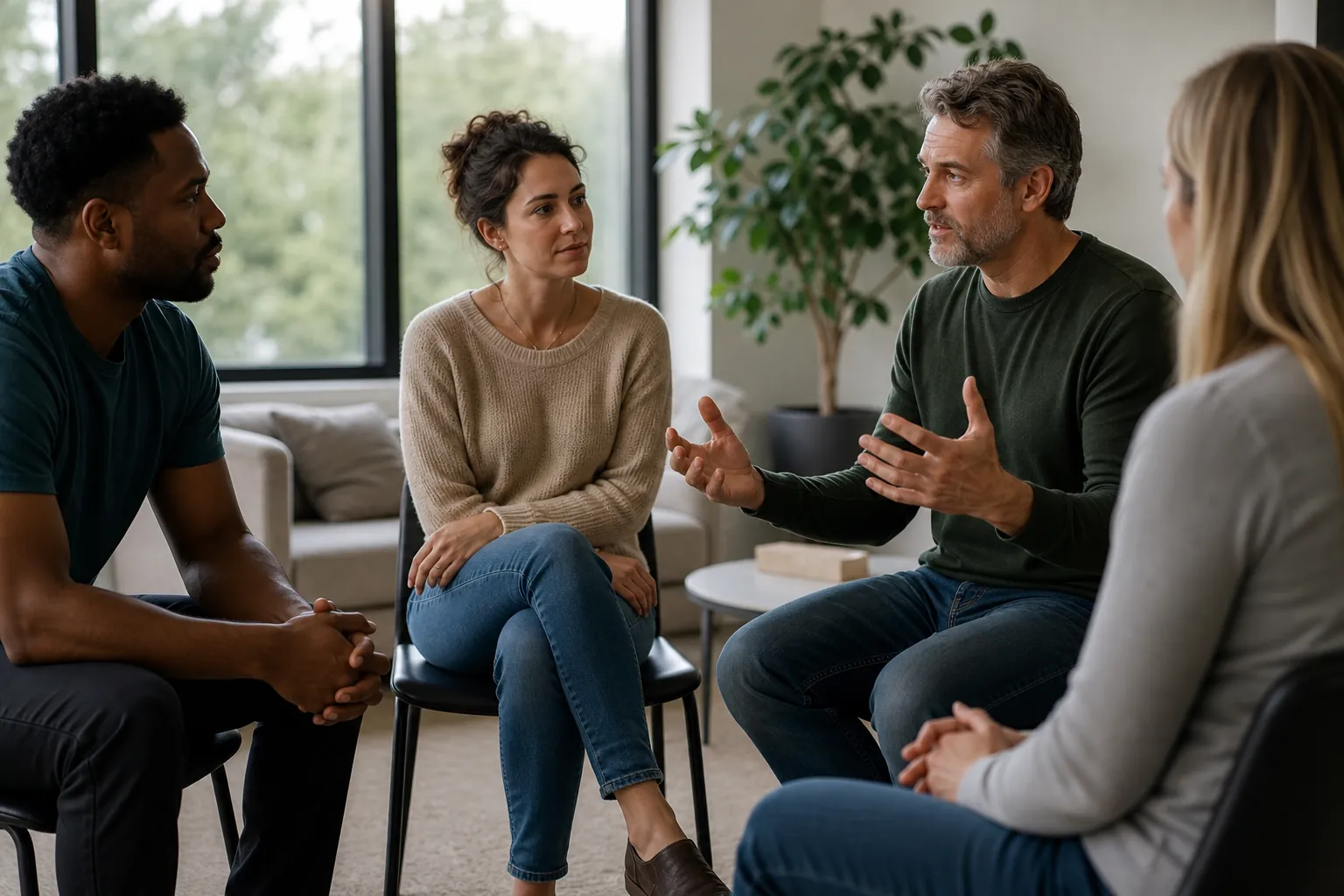
Which skills may help with common recovery challenges?
Recovery skills may include noticing triggers and managing strong feelings. They can include stating needs and planning for hard moments. No single tool works for every person or situation. Clinicians can help a person discuss options and practice them. The approach should fit personal goals, safety needs, and the setting. These details also matter for care admission planning and residential care planning.
Awareness skills may help someone notice changes before they react. These changes can involve mood, thoughts, or the setting. A person may learn which situations tend to raise stress. They can then consider what support might help them cope. A trigger does not mean substance use will follow. Noticing it creates a chance to pause and choose a response.
Managing feelings may involve a pause or a calming activity. It may mean sharing feelings with a safe support person. Clear communication can include requests, boundaries, and listening during conflict. These are examples of tools that may support recovery. They do not confirm that a given program teaches each one.
Planning skills can make ordinary routines feel more manageable. A person might break a large task into smaller steps, identify who to contact when struggling, or think ahead about a stressful event. A plan should be flexible, since energy, symptoms, responsibilities, and support can change during treatment.
Some strategies require clinical guidance, especially when a person has medical or mental health concerns. A clinician can help decide whether a technique is appropriate and how it fits with other care. Share what has helped or felt uncomfortable before, so the team can make a more informed plan.
- Notice emotional or environmental cues that tend to increase stress or discomfort.
- Pause briefly before responding to a difficult interaction or urge.
- Describe a need clearly and ask an appropriate support person for help.
- Break a challenging task into smaller steps that feel manageable.
- Review a plan with a clinician when personal needs or circumstances change.
How does skills practice differ during detox and residential care?
Skills practice may differ during detox and residential treatment. Each setting serves a different purpose within a care plan. Detox focuses on medical support during withdrawal and stabilization. Residential care offers a structured setting for continued treatment. Admissions can explain how each stage works and which activities are available. These details also matter for care admission planning.
Medical detox is more than a skills class. It does not take the place of continued treatment. Withdrawal from alcohol, benzodiazepines, or opioids can be dangerous. Medical supervision is important when withdrawal may occur. Serious withdrawal should not be managed alone. Qualified medical professionals can assess safety and care needs.
During detox, immediate health needs may come before longer skills practice. The person's condition helps guide the timing of activities. The clinical plan guides which activities may be suitable. Some people may not be ready for a group or activity. The care team can explain what level of participation fits.
Residential care provides a setting for continued treatment. It may follow or occur alongside stabilization, based on care needs. A person may have more chances to discuss patterns. They may practice communication or explore coping tools for daily life. Actual services and schedules vary across programs. A general description does not confirm a provider's activities.
Living Longer Recovery provides medical detox and residential addiction treatment. The facility is in Desert Hot Springs, CA. Its service area is California, not a statewide network of facilities. Admissions can explain how transitions between services are handled. They can explain available support without assuming a specific skills course.
What Details Matter For Recovery Skills Support?
Available activities and their role in care are key details. A skills activity should fit the person's treatment plan. General examples do not confirm services at a specific program. Admissions can explain current offerings and whom they serve. That information helps show how an approach may fit personal needs. These details also matter for care admission planning and residential care planning.
Program descriptions may use broad terms like coping or life skills. Those terms alone do not explain what people actually do. Skills work might involve groups, private talks, or informal practice. The format depends on the program and the care plan. A service offered elsewhere may not be available at this provider.
Being tired or uneasy may affect how someone takes part. Readiness to speak in a group can vary as well. Support should reflect personal needs without promising a specific outcome. Access, language, and cultural needs can matter in care planning. Admissions can discuss these concerns and explain the program's limits.
Medical needs can affect which treatment setting fits a person. Needs may change, so support may need to change too. Programs differ in their services and levels of care. The California Department of Health Care Services provides treatment and licensing information. That information does not replace current details from a specific provider.
These points show why clear service details matter in treatment. They separate general skills examples from care a program actually offers. Admissions can explain current services and care planning. You do not need a finished plan before calling.
- Skills-focused activities vary, and medical detox or residential care alone does not establish which activities are included.
- Coping strategies should fit the person's needs, goals, and individual treatment plan.
- Discomfort with group activities is a concern the care team can discuss, without assuming a specific accommodation.
- Family involvement depends on the person's wishes, care needs, and the program's policies.
- A transition from detox to residential treatment depends on care needs and the services available.
How can someone prepare to practice new skills?
Personal goals and difficult situations can guide skills practice. A person does not need the right answers in advance. Honest concerns can help the team understand support needs. Questions and uncertainty are part of a treatment conversation. Learning new skills can begin with what feels hardest now. These details also matter for care admission planning and residential care planning.
A treatment conversation can cover situations someone hopes to handle differently. These may involve stress, relationships, cravings, or daily tasks. Examples can help the team understand what matters most. There is no need to prepare a list before calling. A person can share only what they feel ready to discuss. Goals can become clearer during care.
It may help to consider what has worked before, even briefly, and what has not felt safe or useful. A walk, a conversation, or a pause might have helped in one context but not another. Describing those differences can help clinicians consider appropriate options instead of relying on general assumptions.
Practical barriers can make taking part in care feel hard. These may include poor focus or fear of group talks. Unclear program rules can cause concern as well. Available support varies, so a specific accommodation cannot be assumed. Residential rules may cover devices and contact with others. Details such as residential phone use policies depend on the program.
Preparation should remain flexible. A person may have different priorities after an assessment or once medical needs are understood. The purpose is to begin a useful conversation, not to create a perfect plan alone or to judge readiness by how many skills someone already knows.
How can skills continue to matter after residential treatment?
Skills may remain useful in daily life after residential treatment. Continued support can help a person apply what they learned. Planning may identify helpful routines and people to contact. It may include follow-up care suited to the person. Next steps should reflect individual needs and guidance from clinicians. These details also matter for care admission planning.
A transition plan can identify situations that may feel challenging after leaving a structured setting. A person might consider how to manage stress, maintain appointments, communicate with supportive people, or respond if a plan needs to change. The care team can discuss options and help coordinate next steps within its role.
General descriptions of care do not establish a provider's services. Detox and residential treatment differ from outpatient settings. Partial hospitalization and intensive outpatient care are other levels of support. Living Longer Recovery offers medical detox and residential addiction treatment.Current availability of these other care settings at Living Longer Recovery is not established here. Clinicians can discuss follow-up options based on individual needs.
Continuing to practice a small number of realistic strategies can be more manageable than trying to change everything at once. A person may revisit a written plan, reflect on which approaches felt useful, and ask for help refining strategies that did not work. Progress can involve adjusting a plan rather than treating difficulty as failure.
Practical details matter when moving from one care setting to another. These include communication rules and ways to reach support. The treatment team can explain discharge planning within its role. Residential rules differ, including residential internet access details. Another program's rules do not establish what this provider allows.
Questions about next steps? Call Living Longer Recovery at (747) 232-9694 or review residential treatment at Living Longer Recovery.
Frequently Asked Questions
Are recovery skills classes the same as therapy?
Skills practice and therapy are not always the same. Practice may occur in a therapy group or educational activity. It may be discussed during individual care, depending on the program. The format and its role in treatment can vary. A general description does not confirm that a specific service is included.
Does learning coping skills prevent relapse?
Skills do not remove the risk of returning to substance use. Coping tools may help someone handle stress or seek support. Recovery needs and risks differ from person to person. If a tool is not working, a clinician can review the plan. A return to use is a reason to discuss treatment changes.
Can a family member help someone practice recovery skills?
A family member may support practice by listening and respecting boundaries. They may encourage tools the person has chosen to use. The person's wishes and program rules should guide that role. Family education and involvement vary by program and care plan. Supporting someone does not mean taking charge of their treatment.
What if someone feels uncomfortable speaking in a group?
The care team can discuss discomfort with taking part in groups. Programs differ in how they support people with this concern. No specific accommodation should be assumed to be available. Observing or speaking alone may be topics for that discussion. The team can explain what is available and fits the person's care.
Do programs in California all provide the same skills training?
No. Services and activities vary by provider and personal care plan. California licensing information can help with general checks. It does not show that all programs teach the same skills. A provider can explain current services and who they serve. Those details matter more than broad terms used to describe treatment.
Sources
- Benzodiazepine safety warning, FDA
- Alcohol withdrawal, MedlinePlus
- SAMHSA provides general information about care in its Substance Use Treatment resource.
- The National Institute on Drug Abuse (NIH) explains general care in Treatment and Recovery.
- The California Department of Health Care Services provides state information through Substance Use Disorder Treatment Services.
Call (747) 232-9694 to talk through next steps.